Find Treatment By
Rehabs by Location


Find Treatment By
Learn
About Us
Recovery.com combines independent research with expert guidance on addiction and mental health treatment. Our mission is to help everyone find the best path to recovery through the most comprehensive, helpful network of treatment providers worldwide.
Advisory Council
Our advisory council brings together leaders in behavioral health, technology, and business. Their diverse expertise ensures our resources and product are innovative, evidence-based, and effective. They guide our mission as accomplished individuals dedicated to improving the landscape of addiction recovery and mental wellness.
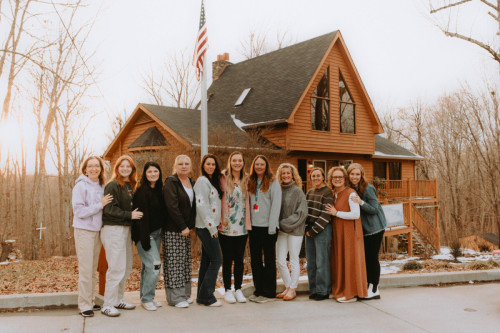
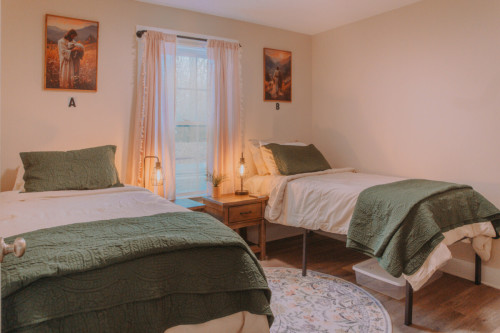
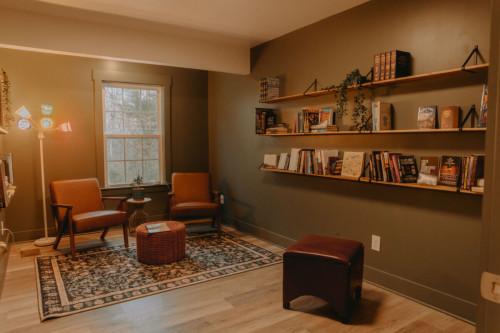


S2L Recovery: Women's Christian Rehab Center
Treatment Focus
This center primarily treats substance use disorders, helping you stabilize, create relapse-prevention plans, and connect to compassionate support.
Primary Level of Care
Offering intensive care with 24/7 monitoring, residential treatment is typically 30 days and can cover multiple levels of care. Length can range from 14 to 90 days typically.
Treatment Focus
This center primarily treats substance use disorders, helping you stabilize, create relapse-prevention plans, and connect to compassionate support.
Primary Level of Care
Offering intensive care with 24/7 monitoring, residential treatment is typically 30 days and can cover multiple levels of care. Length can range from 14 to 90 days typically.
Provider's Policy
We work with most PPO insurance plans, which can cover 100% of treatment after deductibles. Our insurance experts provide a free, confidential benefit verification so you have a clear picture of what the costs of treatment would be at our facility and how to maximize your insurance benefits.
S2L Recovery: Women's Christian Rehab Center
S2L Recovery: Women's Christian Rehab Center
About S2L Recovery: Women's Christian Rehab Center
At Spring to Life (S2L) Recovery, the goal is a total change of heart. Because every woman's journey is different, this program moves away from the traditional 12-step rules and focuses on a Bible-based path that feels more personal. By living on-site in a residential community, women can finally get the time and space needed to heal.
Heal the Spirit to Break the Cycle of Addiction
Most programs focus on the physical and emotional sides of recovery, but S2L goes deeper, addressing the spiritual emptiness that often keeps the cycle of addiction alive. Instead of relying on a traditional 12-step model, S2L uses a Bible-based curriculum that shifts the goal from “fixing a problem” to restoring the whole person. Licensed clinical therapy combined with a strong Biblical foundation helps each woman connect with her true identity.
Leave the World Behind in a Peaceful Wooded Retreat
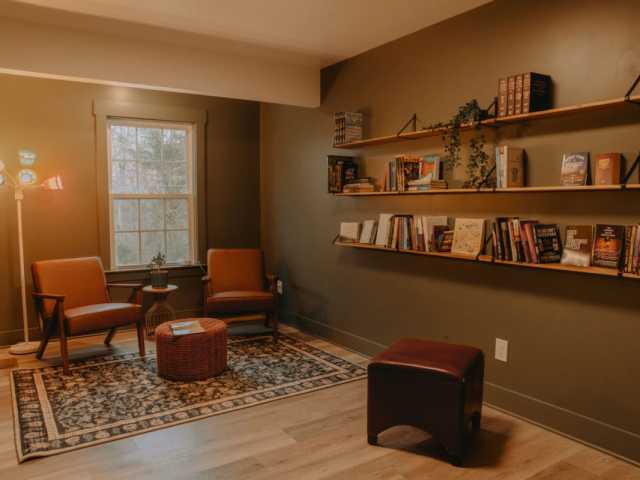
The campus is set in the Tennessee woods, where it’s quiet and the air feels lighter. The whole facility feels more like a home than a clinic, complete with cozy living rooms and a kitchen. Outside, there’s a winding walking trail that disappears into the trees, giving the women a path to clear their heads and breathe.
Map Out a Path for a New Life
Because every woman’s life looks different, they work one-on-one to create an aftercare plan that fits her specific world. Between a dedicated alumni program, regular events, and support groups, women stay plugged into a sisterhood. S2L makes sure that the momentum built in treatment keeps moving forward.

Highlights from the Center
Highlights
These highlights are provided by and paid for by the center.
Customized Treatment Plans
Non 12-Step Approach
Women Only
Addiction Recovery
Center Overview
Treatment Focus
This center primarily treats substance use disorders, helping you stabilize, create relapse-prevention plans, and connect to compassionate support.
Joint Commission Accredited
The Joint Commission accreditation is a voluntary, objective process that evaluates and accredits healthcare organizations (like treatment centers) based on performance standards designed to improve quality and safety for patients. To be accredited means the treatment center has been found to meet the Commission's standards for quality and safety in patient care.

Insurance Accepted






Cash Pay Rates
Estimated Cash Pay Rate
Center pricing can vary based on program and length of stay. Contact the center for more information. Recovery.com strives for price transparency so you can make an informed decision.
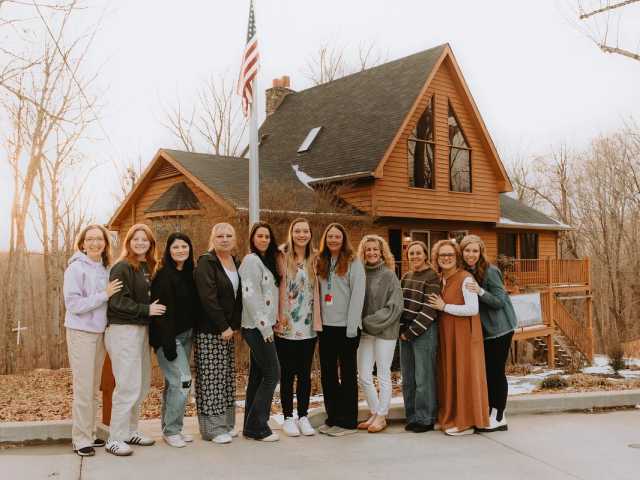

Meet Your Care Team
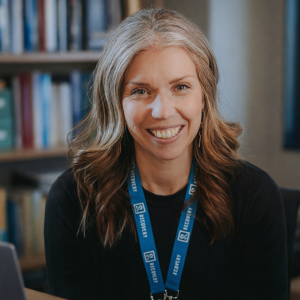
Sarah Keel
Executive Director of Women's Division
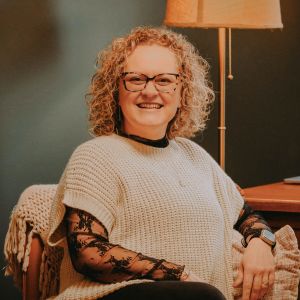
MaryBeth Young
Women's Division Director of Operations

Pastor Adam Comer
Chief Executive Officer

Pastor Ron Anderson
Executive Vice President
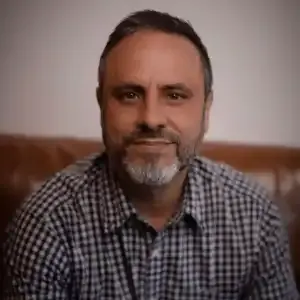
Pastor Carl Ubiñas
Chief Growth Officer
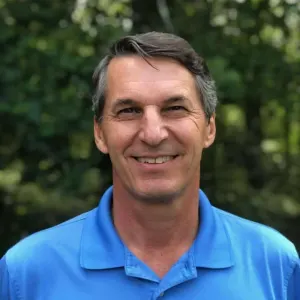
Dr. Andrew Daigle
Medical Director
Your Care Options
Specializations
Christian
Through surrender and commitment to Christ, patients refocus the efforts and source of their recovery with clinical and spiritual care.
Non 12 Step
Non-12-Step philosophies veer from the spiritual focus of the 12-Steps and instead treat the disease of addiction with holistic or secular modalities.
Who We Treat
Women only
Women attend treatment in a gender-specific facility, with treatment delivered in a safe, nourishing, and supportive environment for greater comfort.
Treatment Services
Residential
In a residential rehab program, patients live onsite, with access to daily treatment and 24-hour care. An average stay is 30-90 days.
Approaches
Christian
Through surrender and commitment to Christ, patients refocus the efforts and source of their recovery with clinical and spiritual care.
Gender-Specific
Separate treatment for men or women can create strong peer connections and remove barriers related to trauma, shame, and gender-specific nuances.
Non 12 Step
Non-12-Step philosophies veer from the spiritual focus of the 12-Steps and instead treat the disease of addiction with holistic or secular modalities.
Spiritual Emphasis
Spirituality connects patients to a higher power and helps strengthen their recovery, hope, and compliance with other treatment modalities.
Therapies
1-on-1 Counseling
Patient and therapist meet 1-on-1 to work through difficult emotions and behavioral challenges in a personal, private setting.
Life Skills
Teaching life skills like cooking, cleaning, clear communication, and even basic math provides a strong foundation for continued recovery.
Motivational Interviewing and Enhancement Therapy (MET)
This approach is based on idea that motivation to change comes from within. Providers use a conversational framework that may help you commit to recovery.
Solution Focused, Goal-Oriented Therapy
A quick goal-oriented therapy that helps patients identify their current and future goals, find out how to achieve them, and empower future problem-solving.
Spiritual Care
Tending to spiritual health helps treatment become more effective, allowing patients to better cope with their emotions and rebuild their spiritual wellbeing.
Languages
Substances We Treat
Alcohol
Using alcohol as a coping mechanism, or drinking excessively throughout the week, signals an alcohol use disorder.
Benzodiazepines
Benzodiazepines are prescribed to treat anxiety and sleep issues. They are highly habit forming, and their abuse can cause mood changes and poor judgement.
Cocaine
Cocaine is a stimulant with euphoric effects. Agitation, muscle ticks, psychosis, and heart issues are common symptoms of cocaine abuse.
Drug Addiction
Drug addiction is the excessive and repetitive use of substances, despite harmful consequences to a person's life, health, and relationships.
Heroin
Heroin is a highly addictive and illegal opioid. It can cause insomnia, collapsed veins, heart issues, and additional mental health issues.
Methamphetamine
Methamphetamine, or meth, increases energy, agitation, and paranoia. Long-term use can result in severe physical and mental health issues.
Opioids
Opioids produce pain-relief and euphoria, which can lead to addiction. This class of drugs includes prescribed medication and the illegal drug heroin.
Prescription Drugs
It's possible to abuse any drug, even prescribed ones. If you crave a medication, or regularly take it more than directed, you may have an addiction.
Aftercare
Care Designed for Your Needs
Personal Amenities
Amenities
Special Considerations
Gender-specific groups
Patients in gender-specific groups gain the opportunity to discuss challenges unique to their gender in a comfortable, safe setting conducive to healing.
Religion-Based Track
Patients can join faith-based recovery tracks to approach recovery with others in their faith, healing in a like-minded group with similar goals.
Activities
Off-Site Activities
Off-Site Amenities
Learn More About the Center
The 7 Principles: Addiction Recovery Curriculum
Explore the 7 guiding beliefs that shape their treatment program.
Dual Diagnosis Treatment
Read how S2L Recovery addresses co-occurring mental health concerns.
Their Unique Approach
Learn more about how S2L Recovery incorporates non-12-Step and Christian beliefs into their care.
Recreational Therapy for Addiction Recovery
Discover how combining faith-based practices with therapeutic activities play an important role in recovery.