Find Treatment By
Rehabs by Location


Find Treatment By
Learn
About Us
Recovery.com combines independent research with expert guidance on addiction and mental health treatment. Our mission is to help everyone find the best path to recovery through the most comprehensive, helpful network of treatment providers worldwide.
Advisory Council
Our advisory council brings together leaders in behavioral health, technology, and business. Their diverse expertise ensures our resources and product are innovative, evidence-based, and effective. They guide our mission as accomplished individuals dedicated to improving the landscape of addiction recovery and mental wellness.
Relapse in Recovery: 5 Ways to Learn, Reset, and Move Forward



For anyone struggling with chemical dependency, experiencing a relapse can be disappointing and difficult to understand. It feels like a crushing blow, but the trick is to turn a negative experience to your advantage.
If you’re willing to look at it positively, a relapse can provide you with the opportunity to learn, grow and strengthen your sobriety.
What to Do After a Relapse
A relapse can feel confusing, painful, and discouraging—especially after working hard to stay sober. Many people describe it as a personal failure. In reality, relapse is often part of the recovery process, not the end of it.
Recovery isn’t a straight line. For many patients, setbacks reveal unmet needs, unresolved triggers, or gaps in support. When approached with honesty and care, relapse can become a turning point rather than a stopping point.
This guide explains how to respond after a relapse, reduce shame, and take practical steps toward renewed sobriety.
If you’ve relapsed, there are a few things you can do to make your return to sobriety a little easier.
Explore Alcohol Treatment Centers
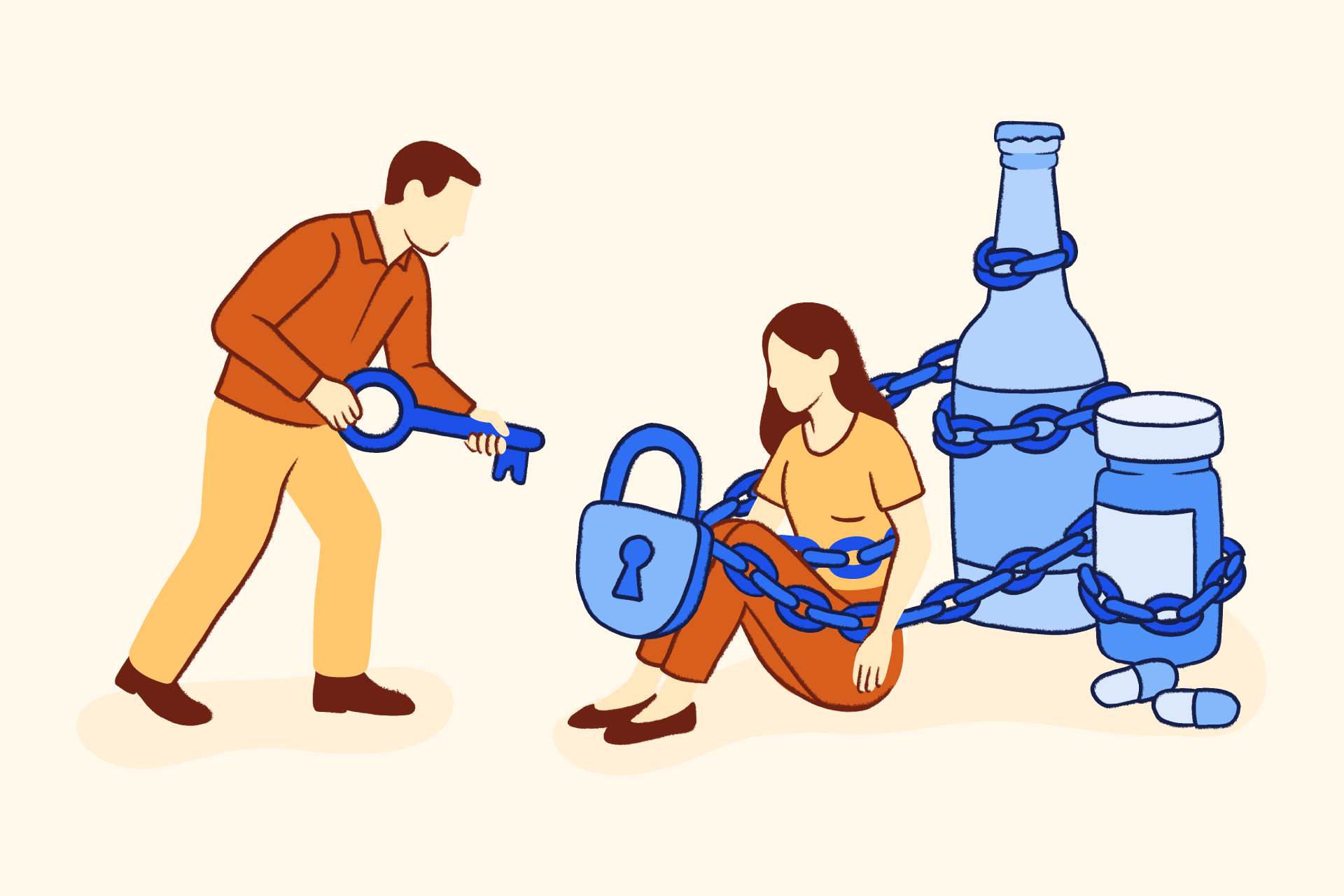
#1 Tell Someone
It’s scary to be honest about a relapse. You feel like a failure and fear others’ judgement. Try reaching out to a trusted friend or therapist. Just saying it out loud is major step forward. As they say in AA, “you’re only as sick as your secrets.” Honesty is the most powerful tool you have against addiction; by owning your truth, you can begin to heal.
#2 Get Help
Recovery isn’t something you go through alone. And just because you didn’t stay sober doesn’t mean you’re excluded from recovery support groups. In fact, it’s just the opposite. As long as you have a desire to be sober, you’re welcome in a support group. For some people, returning to inpatient or outpatient treatment is also an option.
#3 Be Gentle on Yourself
Your first instinct might be to beat yourself up, but getting stuck in negative thought patterns only makes the cycle worse. Instead of wallowing in guilt and shame, forgive yourself. You have to keep things in perspective; you’ve had a setback – it does not mean you’re a failure.
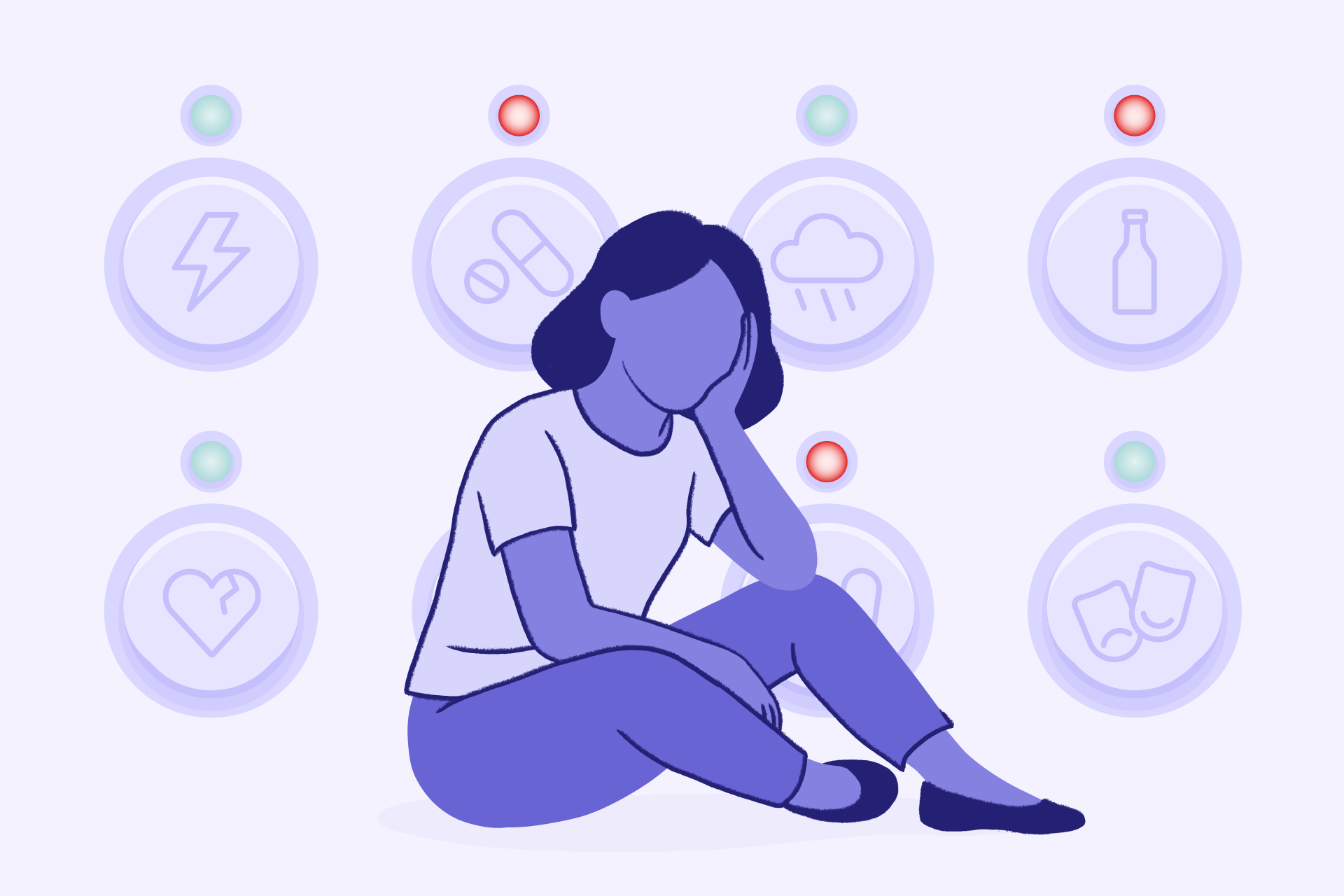
#4 Avoid Triggers
It’s essential to avoid potential triggers — especially those that propelled you to start using in the first place. Some people drink over relationship problems, while others are triggered by simply being around booze. And for some, being around family creates an urge to drink or use. Once you figure out your potential tripwires, it’s much easier to avoid them.
#5 Take Things One Day at a Time
It’s easy to spin out in fear of the future. The best thing you can do to is focus on staying sober today. There’s no reason to worry about tomorrow until you get there.
Relapse can be discouraging, but it does not erase progress or define recovery. What matters most is the response afterward. Reaching out for help, practicing self-compassion, and making thoughtful changes can strengthen sobriety moving forward.
Recovery grows through honesty, support, and persistence—not perfection. With the right tools and care, a relapse can become a learning experience that leads to deeper understanding and lasting change.
Ready to take the next step?
Explore drug addiction treatment centers that offer personalized support and evidence-based care to help you move forward with confidence.
Addiction is treatable, and a life of freedom is possible. Connect with drug and alcohol treatment centers that specialize in your specific needs, from holistic care to medication-assisted treatment. Don’t wait another day to get help; find a recovery program that works for you.
FAQs











Our Promise
How Is Recovery.com Different?
We believe everyone deserves access to accurate, unbiased information about mental health and recovery. That's why we have a comprehensive set of treatment providers and don't charge for inclusion. Any center that meets our criteria can list for free. We do not and have never accepted fees for referring someone to a particular center. Providers who advertise with us must be verified by our Research Team and we clearly mark their status as advertisers.
Our goal is to help you choose the best path for your recovery. That begins with information you can trust.