Find Treatment By
Rehabs by Location


Find Treatment By
Learn
About Us
Recovery.com combines independent research with expert guidance on addiction and mental health treatment. Our mission is to help everyone find the best path to recovery through the most comprehensive, helpful network of treatment providers worldwide.
Advisory Council
Our advisory council brings together leaders in behavioral health, technology, and business. Their diverse expertise ensures our resources and product are innovative, evidence-based, and effective. They guide our mission as accomplished individuals dedicated to improving the landscape of addiction recovery and mental wellness.
Therapeutic Boarding Schools: 7 Helpful Insights to Support Teens


Dr. Glowiak has a PhD in counselor education and supervision and has served those struggling with addiction while continuing to spread awareness on the topic to students, clinicians, instructors, and the general public.

Dr. Mala, is the Chief Clinical Officer at Recovery.com, where she develops impartial and informative resources for people seeking addiction and mental health treatment.
Dr. Glowiak has a PhD in counselor education and supervision and has served those struggling with addiction while continuing to spread awareness on the topic to students, clinicians, instructors, and the general public.
Dr. Mala, is the Chief Clinical Officer at Recovery.com, where she develops impartial and informative resources for people seeking addiction and mental health treatment.
Table of Contents
- History of Therapeutic Boarding Schools in the United States
- #1 Understand What a Therapeutic Boarding School Does
- #2 Learn What a Therapeutic Boarding School Is Not
- #3 Understand Common Therapeutic Modalities
- #4 Learn About the Specific Conditions Treated
- #5 Find the Right Academic Curriculum and Approach for Your Teen
- #6 Understand the importance of Integrating Social Support
- 7. Understand Options for Long-term Treatment
In a world where traditional methods of addressing emotional and behavioral challenges often fall short, therapeutic boarding schools offer a beacon of hope for struggling youth and their families.1 These specialized therapy programs provide a nurturing environment that combines academic rigor with therapeutic support, helping students heal and thrive.
Through tailored interventions and a focus on holistic development, therapeutic boarding schools empower students to overcome their struggles and reclaim their futures. By investing in their growth, we can foster resilience and pave the way for healthier, brighter paths ahead.
Explore Adolescents Treatment Centers
History of Therapeutic Boarding Schools in the United States
Therapeutic boarding schools in the United States emerged in the late 19th and early 20th centuries as a response to the increasing recognition of mental health issues among troubled teens.2 Initially rooted in the philosophy of holistic education, these institutions aimed to provide a structured environment where young people could receive both academic instruction and therapeutic support.
The first schools focused primarily on behavioral challenges without a significant emphasis on mental health, but over the decades, this evolved into a more comprehensive treatment model that addressed a wider range of emotional and psychological issues.
By the 1960s and 1970s, societal attitudes toward mental health began to shift, and there was greater acknowledgment of the need for specialized treatment for troubled youth. As a result, therapeutic boarding schools started incorporating evidence-based therapies and individualized care into their curricula. CEDU Educational Services, Inc.3 is often accredited as the birthplace of the troubled teen industry (TTI). Unfortunately, some of the earlier programs were less than affirming and even abusive, which is why many have been closed and dissolved.4
Today, these institutions continue to adapt and evolve, reflecting the latest advancements in mental health and substance abuse treatment while serving a diverse population of students with various challenges. They have become an essential element of the broader mental health landscape, offering families an alternative to traditional education and treatment options for their children.
#1 Understand What a Therapeutic Boarding School Does
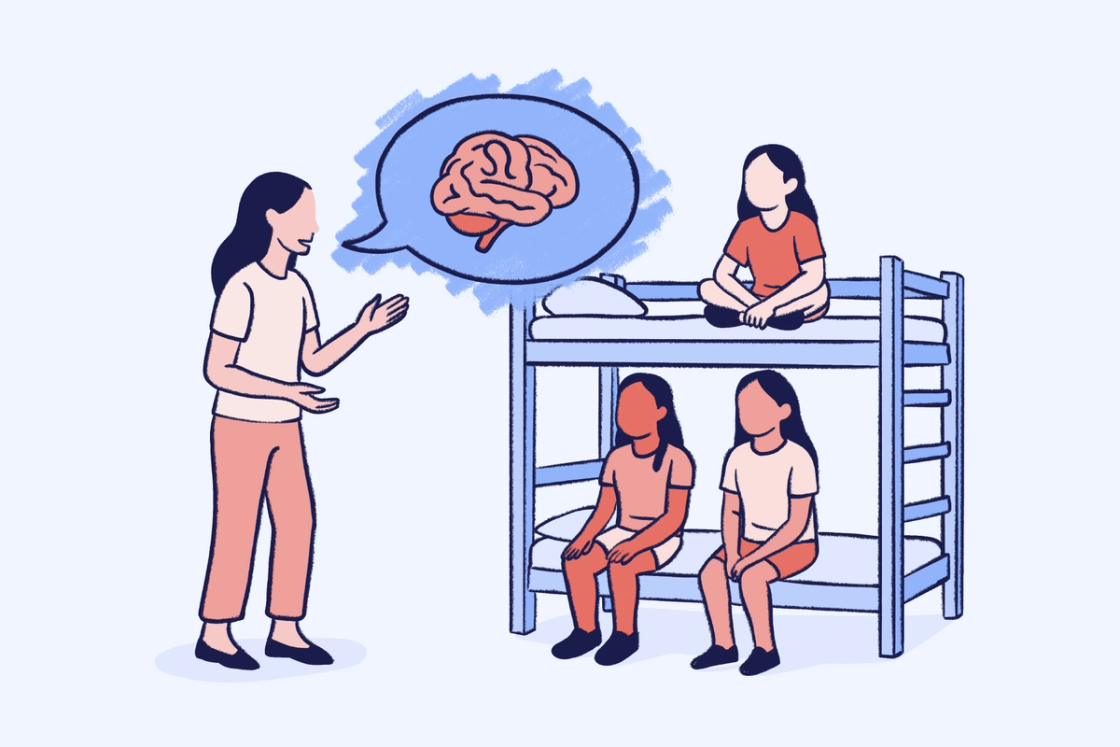
Therapeutic boarding schools are specialized educational institutions designed to address the emotional, behavioral, and psychological challenges faced by adolescents. These schools combine a structured academic environment with comprehensive therapeutic interventions, providing a holistic approach to student development.
Typically, they serve students struggling with issues such as addiction, trauma, depression, anxiety, or other behavioral problems. The aim is to create a supportive community where students can receive personalized attention and care from trained professionals, including licensed therapists and educators.
They provide a unique opportunity for young people to heal, grow, and prepare for a successful transition back to their home and community.
#2 Learn What a Therapeutic Boarding School Is Not
A therapeutic boarding school is not a conventional treatment facility like inpatient hospitals or outpatient programs, nor is it solely an academic institution. Unlike inpatient care, which often provides round-the-clock, year-round medical supervision for severe mental health crises, therapeutic boarding schools focus on a balanced blend of education and therapy within a residential treatment center.
They are not designed for individuals in immediate crisis; instead, they cater to adolescents needing longer-term support for emotional and behavioral issues in a stable environment.
Compared to other modalities of mental and behavioral health treatment, such as outpatient, intensive outpatient, or partial hospitalization programs (PHP), therapeutic boarding schools offer a more immersive experience similar to residential treatment programs.5
While outpatient services involve therapy sessions scheduled around a student's regular home life, therapeutic schools provide 24/7 support integrating therapeutic practices into daily routines. This structure can be particularly beneficial for students who require more sustained intervention beyond what shorter-term outpatient sessions can offer, helping them build resilience and life skills in a supportive community.
#3 Understand Common Therapeutic Modalities
Therapeutic boarding schools employ a variety of evidence-based therapeutic modalities to support the emotional and psychological needs of adolescents.6 Common approaches include Cognitive-Behavioral Therapy (CBT), which helps students identify and change negative thought patterns and behaviors, and Dialectical Behavior Therapy (DBT), which focuses on building emotional regulation and interpersonal effectiveness.
Additionally, many schools incorporate experiential therapies such as art, music, or adventure therapy, allowing students to explore their feelings creatively and collaboratively. Family therapy is also a crucial component, engaging family members in the therapeutic process to strengthen relationships and improve communication. By combining these diverse modalities, therapeutic boarding schools create a comprehensive support system tailored to each child's unique needs, fostering healing and personal growth.
#4 Learn About the Specific Conditions Treated
The following are typical conditions that therapeutic boarding schools can address. Often, there are co-occurring conditions at play in the teen or child’s life.
- Anxiety Disorders: This category includes generalized anxiety disorder, social anxiety disorder, and panic disorder, which can significantly impede daily functioning. Therapeutic boarding schools utilize therapy and coping strategies to help students manage their anxiety and enhance their emotional regulation.
- Depression: Major depressive disorder or dysthymia can deeply affect an adolescent's mood, motivation, and overall wellness. Therapeutic boarding schools provide comprehensive support through individual and group therapy aimed at helping students develop healthier thought patterns and coping mechanisms.
- Attention-Deficit/Hyperactivity Disorder (ADHD): ADHD can lead to difficulties with focus, impulse control, and organizational skills. Schools offer tailored educational strategies and behavioral interventions to help students thrive academically and socially.
- Post-Traumatic Stress Disorder (PTSD): Many adolescents who have experienced trauma may suffer from PTSD, which can manifest through flashbacks, avoidance behaviors, and heightened arousal. Therapeutic boarding schools provide trauma-informed care, helping students process their experiences and cultivate resilience.
- Substance Use Disorders: Adolescents struggling with addiction to drugs or alcohol can benefit from comprehensive treatment approaches that integrate therapy, education, and peer support. Programs focus on recovery, relapse prevention, and the development of healthy coping skills.
- Oppositional Defiant Disorder (ODD): Characterized by a pattern of angry, irritable mood and defiant behavior, ODD can create significant challenges in both home and school environments. Therapeutic boarding schools provide structured environments where students learn conflict resolution and communication skills.
- Bipolar Disorder: This mood disorder involves extreme mood swings, including emotional highs (mania) and lows (depression). Therapeutic boarding schools offer a supportive environment for students to learn about managing their symptoms and maintaining stability.
- Eating Disorders: Conditions such as anorexia nervosa or bulimia can have profound physical and psychological impacts on adolescents. Therapeutic boarding schools offer specialized therapies to address underlying emotional issues and promote a healthier relationship with food and body image.
- Obsessive-Compulsive Disorder (OCD): OCD can cause persistent, unwanted thoughts and repetitive behaviors. Therapeutic boarding schools provide cognitive-behavioral strategies that help students understand and manage their symptoms more effectively.
- Self-harm: Therapeutic boarding schools provide a safe and structured environment where adolescents struggling with self-harm can receive individualized therapy and support aimed at addressing the underlying emotional issues contributing to their behavior. Through a combination of therapeutic interventions, coping strategies, and peer support, students learn healthier ways to express their feelings and manage distress, fostering a path toward healing and recovery.
By addressing these mental health and addiction disorders, therapeutic boarding schools create a supportive atmosphere for young people to heal, grow, and build the skills necessary for long-term success.
Note, that oftentimes, more treatment is needed for specific conditions or co-occurring challenges for teens. Learn more about specific treatment options for adolescents with Recovery.com.
#5 Find the Right Academic Curriculum and Approach for Your Teen
The academic curriculum at therapeutic boarding schools differs from that of public and private schools primarily in its emphasis on integrating therapeutic support alongside education. While maintaining a rigorous academic framework, therapeutic boarding schools adapt their curricula to cater to the varied emotional and behavioral needs of their students. This often involves smaller class sizes, individualized attention, and a focus on experiential learning to accommodate the holistic development of each student.
IEPs and Special Considerations
For students with Individualized Education Plans (IEPs), therapeutic boarding schools typically have provisions in place to ensure compliance with educational requirements.7 These schools often collaborate closely with families and school districts to tailor educational programs that meet the specific needs outlined in each student's IEP. This might include specialized instruction methods, accommodations for learning differences, and additional support services to help students succeed academically while receiving therapeutic care.
Advanced Placement (AP) Courses
Many therapeutic boarding schools also offer Advanced Placement (AP) courses, allowing academically gifted or high-achieving students to challenge themselves and earn college credit while still receiving therapeutic support.8 The schools generally implement strategies to ensure that students in AP courses have the necessary resources and accommodations to thrive.
This might include personalized tutoring, flexible deadlines, and individualized pacing to help students balance their academic rigor with their therapeutic needs.
Overall, while the core academic subjects align with standard educational requirements, therapeutic boarding schools prioritize a combination of academic achievement and emotional well-being, creating a unique educational experience that supports students both academically and therapeutically.
Christian Boarding School
A Christian therapeutic boarding school integrates faith-based principles with therapeutic interventions to support adolescents facing emotional and behavioral challenges. These schools typically offer a structured environment where students engage in a curriculum that combines academic education with biblical teachings and spiritual development.
Emphasis is placed on fostering strong moral values, character building, and a sense of community through shared worship, prayer, and fellowship, all while providing individualized therapy and support to address mental health needs. This holistic approach aims not only to promote healing and personal growth but also to strengthen the students' faith and relationship with God.
#6 Understand the importance of Integrating Social Support
Integrating social support during and after therapeutic boarding school attendance is crucial for fostering lasting recovery and promoting overall well-being for adolescents. Such support helps students build healthy relationships, enhances resilience, and provides a sense of belonging that can significantly impact their transition back into everyday life.
When teens feel connected to peers, family members, and mentors, it not only bolsters their emotional stability but also empowers them to navigate challenges more effectively.
Considerations for integrating social support include but are not limited to the following:9
- Peer Relationships: Encouraging strong relationships with peers within the therapeutic boarding school can facilitate social skills development and promote a support network that extends beyond the school environment. Group therapy and team-building activities can help students learn to communicate and collaborate better.
- Family Involvement: Actively involving family members in therapy sessions and school activities is essential. This can strengthen family dynamics, rebuild trust, and ensure that loved ones understand the therapeutic process, enhancing the home environment's supportiveness.
- Post-Graduation Support Networks: Identifying and establishing connections with support groups, alumni networks, or community resources after graduation helps students maintain relationships that can guide them through challenges. Ongoing participation in these groups can serve as a valuable resource for coping strategies and encouragement.
- Therapist and Mentor Continuity: Maintaining relationships with therapists or mentors post-attendance can provide continued guidance. Encouraging regular check-ins can help students monitor their progress and access support as needed.
- School Environment Awareness: Educating teachers and staff in the student's new educational setting about their background and needs can foster an understanding environment that encourages positive social interactions and reduces stigma.
By emphasizing the importance of social support throughout and after therapeutic boarding school, families can create a holistic approach to recovery that encourages adolescents to thrive in their personal, academic, and social lives. This comprehensive support system can lead to more sustainable outcomes and a greater likelihood of long-term success in their mental health and overall development.
7. Understand Options for Long-term Treatment
To ensure that the success achieved in treatment is long-lasting, several considerations are essential. To ensure continued support after graduation, families can take several proactive steps:
- Engagement in Aftercare Programs: Many therapeutic boarding schools offer aftercare services or support groups specifically designed for alumni. Families should encourage their child to participate in these programs to maintain connections with peers and trusted staff.
- Ongoing Therapy: Securing access to a mental health professional post-graduation can help graduates continue to process their experiences and build on the coping skills they have developed. Regular therapy sessions provide a vital safety net as they transition to new environments.
- Establishing Support Networks: Families should help their child build a robust support system that includes friends, family, and mentors. Encouraging participation in community activities, support groups, or social clubs can foster relationships that reinforce positive behaviors.
- Communication and Monitoring: Open lines of communication between graduates and their families are essential. Regularly checking in on their emotional well-being and discussing any emerging challenges can help prevent setbacks.
- Setting Realistic Goals: Encouraging graduates to set achievable personal and academic goals fosters a sense of purpose and motivation. Supporting their progress toward these goals helps instill confidence and a sense of accomplishment.
Important Questions to Ask
When considering whether a therapeutic boarding school is the right option for your child or adolescent, it's essential to ask a series of questions to gain a clearer understanding of their needs and the suitability of the school. Here are some commonly asked questions:
1. What specific issues is my child facing? Understanding the nature and severity of your child's emotional, behavioral, or mental health challenges can help determine if a therapeutic boarding school is necessary or if other interventions would suffice.
2. What therapeutic approaches does the school utilize? Inquire about the types of therapies offered (e.g., individual therapy, group therapy, family therapy) and whether they align with your child’s specific needs and preferences.
3. What is the school’s accreditation and reputation? Research the school’s credentials, reviews, and success rates, including outcomes for students with similar challenges.
4. What is the staff-to-student ratio? A lower staff-to-student ratio often indicates more personalized attention and support for each student, which can be crucial for effective treatment.
5. How are parents/guardians involved in the process? Understanding the school’s approach to family involvement, including communication and opportunities for family therapy, can help ensure a supportive home environment post-treatment.
6. What is the academic curriculum like? Assess whether the school offers a robust academic program that can meet your child’s educational needs while they are receiving therapeutic support.
7. What aftercare support is provided upon graduation? Inquire about the resources available to students after they leave the school to ensure continuity of care and support as they transition back to their home environment.
8. What is the daily structure and environment like? Understanding the daily routines, living conditions, and community culture can help determine if it is a suitable and safe environment for your child.
9. What are the costs and financial aid options? Evaluate the financial commitment required and whether the school offers any scholarships or payment plans to make attendance more manageable.
10. What are the success stories or outcomes of former students? Speak with alumni or their families, if possible, to gain insights into the effectiveness of the school and the long-term impact on students' lives.
These questions can guide parents through the decision-making process, helping them assess whether a therapeutic boarding school aligns with their child's needs and therapeutic goals.
Ensure Accountability
To ensure accountability, nonprofit organizations such as the National Association of Therapeutic Schools and Programs (NATSAP) assist with oversight. Accordingly, the NATSAP “advocates for and supports the ethical and professional development of residential treatment centers, therapeutic boarding schools, and wilderness therapy programs.”10
Next Steps for Your Family
Therapeutic boarding schools offer a unique and compassionate solution for adolescents facing emotional and behavioral challenges. By combining structured academic environments with comprehensive therapeutic interventions, these schools foster not only personal growth but also the essential skills needed for successful reintegration into everyday life.
The transformative experiences provided by therapeutic boarding schools demonstrate that healing is indeed possible, and many students emerge with renewed confidence, resilience, and hope for the future. Learn more about your options today!
FAQs
-
Behrens, E., Santa, J., & Gass, M. (2010). The evidence base for private therapeutic schools, residential programs, and wilderness therapy program. Journal of Therapeutic Schools and Programs, 1(4), 106–117. https://doi.org/10.19157/JTSP.issue.04.01.05
-
Polsky, A. J. (1990). Residential treatment and the invention of the adolescence. University of Pennsylvania School of Nursing. https://www.nursing.upenn.edu/live/files/714-residential-treatment-and-the-invention-of-the
-
Unsilenced. (n.d.). CEDU Educational Services, Inc. timeline. https://www.unsilenced.org/timeline/cedu-educational-services-inc/
-
University of New Hampshire. (2022, April). The troubled teen industry and its effects: An oral history. https://www.unh.edu/inquiryjournal/blog/2022/04/troubled-teen-industry-its-effects-oral-history
-
National Center for Biotechnology Information. (2016). Residential treatment for children and adolescents. In Child and adolescent psychiatric clinics of North America. https://www.ncbi.nlm.nih.gov/books/NBK385382/
-
Elevations Residential Treatment Center. (n.d.). Curriculum. https://www.elevationsrtc.com/academics/curriculum/
-
Sedona Sky Academy. (n.d.). How to choose a therapeutic boarding school. https://www.sedonasky.org/blog/how-to-choose-therapeutic-boarding-school
-
Turning Winds. (n.d.). Our academics. https://www.turningwinds.com/our-academics/
-
Help Your Teens. (n.d.). What are the benefits of therapeutic boarding schools for troubled teens? https://helpyourteens.com/what-are-the-benefits-of-therapeutic-boarding-schools-for-troubled-teens/












Our Promise
How Is Recovery.com Different?
We believe everyone deserves access to accurate, unbiased information about mental health and recovery. That's why we have a comprehensive set of treatment providers and don't charge for inclusion. Any center that meets our criteria can list for free. We do not and have never accepted fees for referring someone to a particular center. Providers who advertise with us must be verified by our Research Team and we clearly mark their status as advertisers.
Our goal is to help you choose the best path for your recovery. That begins with information you can trust.