Find Treatment By
Rehabs by Location


Find Treatment By
Learn
About Us
Recovery.com combines independent research with expert guidance on addiction and mental health treatment. Our mission is to help everyone find the best path to recovery through the most comprehensive, helpful network of treatment providers worldwide.
Advisory Council
Our advisory council brings together leaders in behavioral health, technology, and business. Their diverse expertise ensures our resources and product are innovative, evidence-based, and effective. They guide our mission as accomplished individuals dedicated to improving the landscape of addiction recovery and mental wellness.
Loving an Addict: 9 Tips to Avoid the Manipulation


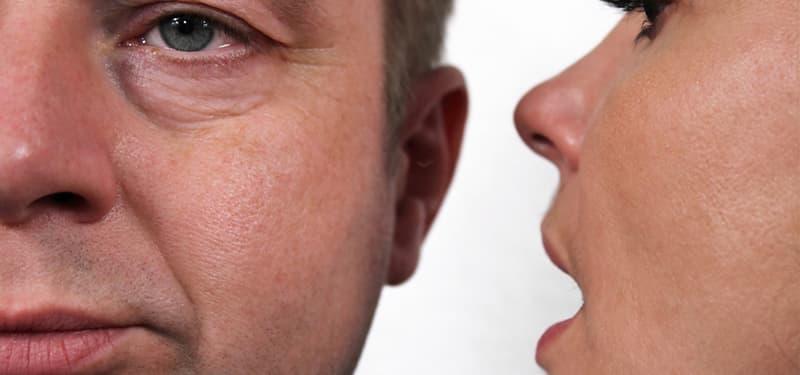
There’s no shortage of addiction-related “how-to” guides floating around. From interventions to medical detox and everything in between, if people struggling with substance use need step-by-step instructions, there’s more than likely a how-to guide for it.
While those in active addiction enjoy a wealth of how-to guides on the road to recovery, the same cannot be said for their loved ones. It can be difficult to find trusted resources, specifically those meant to assist friends and family members suffering alongside addicted loved ones.
Many times, loved ones are unable to recognize their own codependencies and how those traits can contribute to the disease of addiction. That’s because they’re often emotionally mired in addiction, giving addiction its manipulative power.
Tips to Shut Down the Manipulation
If you (or someone you know) is being manipulated by an addicted loved one, the tips below can help loosen his manipulative grip.
1. Help to See Reality
Call it willful denial or dissociative fantasy, but over time, loved ones typically begin to create false realities of their situation. When fear overcomes hope, these fantasies assist to assuage pain. Before any help can be offered, you must be able to objectively and clearly view the reality of the situation.
2. Discuss Boundaries
Whether it’s physical, social, or emotional boundaries, loved ones must strive to keep addiction at arm’s length. Though it can be difficult in many cases, setting boundaries offers a better field of vision and loosens emotional entanglement. You have to set practical boundaries; without them, you unwittingly placate or feed the addiction.
Explore Drug Addiction Treatment Centers
3. Promote Self-Care
When a loved one donates all of their time and energy to an addict, their self-worth suffers, making them a huge target for manipulation. An aspect of boundary setting, self-care takes the focus off addiction and provides you with the space necessary to enjoy some personal time. Go on vacation, see a movie, or take up activities that realign your focus on something other than an addicted loved one.
4. Actively Listen
Although it may seem obvious, active listening is an important part of confronting a loved one about his drug abuse. Many people feel alone and stranded in their world of loving an addict. By listening to what he has to say, you’ll be better equipped to offer suggestions. In almost all social interactions, throwing out “you should’s” without first listening will be met with resistance.
5. Differentiate Helping and Enabling
The word “no” is addiction’s least favorite word. You might think you’re helping an addict, but in reality, you’re enabling the disease to continue. Like it or not, giving an addict money or a free place to stay actually encourages the situation and emboldens manipulative behavior.
6. Provide a Positive Presence
Manipulation preys on the sad, lonely, and disheartened emotions that generally accompany addiction-fueled relationships. Truth be told, a simple smile or friendly gesture can go a long way in re-identifying an emotional center. Positivity is contagious; it encourages changing the status quo of sadness.
7. Discuss Codependency
Unwittingly, many loved ones become addicted to their loved one’s addiction. In other words, you’re playing the role of “rescuer” or “fixer” in a world of addiction-fueled chaos. By discussing codependency issues, you’ll introduce the notion that changes are required of everyone to show that recovery is possible.
Explore Codependency Treatment Centers
8. Encourage Tough Love
Although this may be difficult, loved ones need to hear that “tough love” may be the only option. Many addicts halfheartedly seek treatment when people are no longer willing to support their drug habits or encourage their lifestyles. By suggesting and discussing any applicable consequences, as they may be necessary to stop the manipulation.
9. Introduce Support Programs
It’s important to know you’re not alone in this plight; millions are affected by the disease of addiction. In some cases, the associated stigma and shame is so overwhelming that it prevents friends and family members from seeking help. Do some simple research to find local support groups like Al-Anon, where you’ll meet others fighting similar battles against the manipulation and destruction of addiction.
Get Help for Your Loved One and Support for You, Too
You don’t have to navigate addiction or codependency alone. If your loved one is ready for help or you’re preparing for the next step, Recovery.com can help you find drug and alcohol treatment centers that fit their needs, from detox to residential and outpatient care. Explore trusted options and move forward with clarity and support.

















Our Promise
How Is Recovery.com Different?
We believe everyone deserves access to accurate, unbiased information about mental health and recovery. That's why we have a comprehensive set of treatment providers and don't charge for inclusion. Any center that meets our criteria can list for free. We do not and have never accepted fees for referring someone to a particular center. Providers who advertise with us must be verified by our Research Team and we clearly mark their status as advertisers.
Our goal is to help you choose the best path for your recovery. That begins with information you can trust.