Find Treatment By
Rehabs by Location


Learn
About Us
Recovery.com combines independent research with expert guidance on addiction and mental health treatment. Our mission is to help everyone find the best path to recovery through the most comprehensive, helpful network of treatment providers worldwide.
Advisory Council
Our advisory council brings together leaders in behavioral health, technology, and business. Their diverse expertise ensures our resources and product are innovative, evidence-based, and effective. They guide our mission as accomplished individuals dedicated to improving the landscape of addiction recovery and mental wellness.
Naloxone and Where to Find It: A Complete Guide to Reversing Opioid Overdose


If someone is overdosing, immediately call 911 or local emergency services.
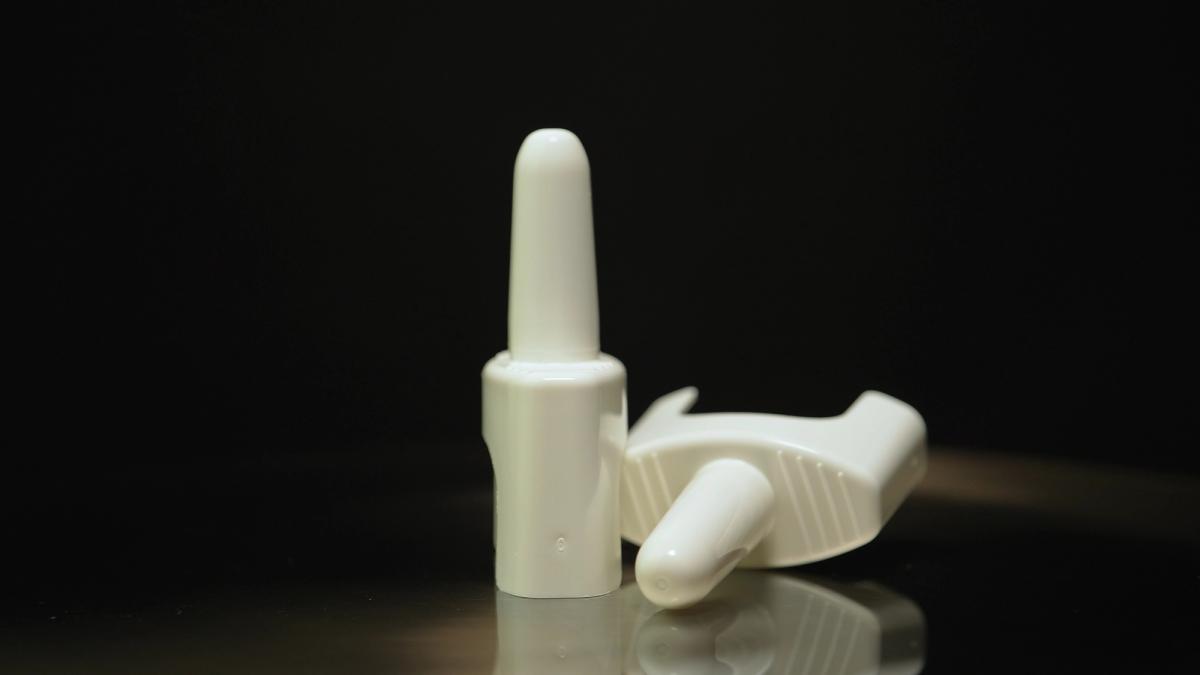
Naloxone is a medication used to reverse an opioid overdose. Naloxone is available under several brand names and formulations, including Narcan nasal spray, Kloxxado (a higher-dose nasal spray), ReVive (generic naloxone nasal spray), and Zimhi (an injectable form), as well as other generic options.1
Opioids, such as codeine, fentanyl, heroin, opium, or morphine, may be prescribed for pain management or used illicitly.1
An overdose occurs when opioids suppress the central nervous system (CNS), causing life-threatening symptoms like shallow breathing or stopped breathing. Narcan works by binding to opioid receptors in the brain, blocking opioids, and reversing their effects. This can restore normal breathing and consciousness.1
Narcan is most commonly administered as a naloxone nasal spray, though it can also be given by injection. As of 2023, the U.S. Food and Drug Administration (FDA) approved Narcan nasal spray for over-the-counter (OTC) use, making it more accessible for overdose prevention and use in an opioid emergency, including by bystanders and first responders alike.1
What Is Naloxone (Narcan)?
Naloxone is a fast-acting medication that can reverse the effects of an opioid overdose. It works by quickly displacing opioids from receptors in the brain, helping restore breathing during an emergency.1
Naloxone is considered a critical tool in overdose prevention and is widely used by health care professionals, first responders, and community members.1
Naloxone is safe, easy to use, and has no effect if opioids aren’t present in the body. It’s available in several forms, including nasal spray and injectable options. It’s designed for rapid response in an opioid emergency, often before medical help arrives.1
Find The Perfect Treatment For You
Answer a few questions and we'll match you with the best options.
What Are You Struggling With?
What Kind of Care Do You Need?
What Insurance Do You Have?
When to Use Narcan
Anyone who uses opioids can accidentally take too much and overdose.1 Additionally, some substances (like cocaine or MDMA) may be contaminated with fentanyl without the person knowing.
If someone shows signs of an overdose—even if opioid use is uncertain—you should use Narcan. Naloxone will not harm someone if opioids are not present.1
Signs of an opioid overdose include:1,2
- Unconsciousness.
- Slowed or stopped breathing.
- Small “pinpoint pupils.”
- Inability to speak.
- Vomiting.
- Limp arms and legs.
- Clammy or pale skin.
- Blue or purple fingernails, lips, or skin.
Without immediate medical intervention, an opioid overdose can be fatal.1
In addition to administering Narcan, call 911 right away. Emergency personnel and health care providers can provide life-saving support.
While waiting for help:2
- Place the person on their side (recovery position).
- Keep airways clear.
- Perform CPR if trained.
- Stay with the person.
Explore Opioids Treatment Centers
How to Administer Narcan
The American Medical Association provides guidance on how to administer naloxone.3
Using Nasal Spray
If you are using a nasal spray, follow these steps:3
- Remove the device from the packaging.
- Place your thumb on the plunger and two fingers on the nozzle.
- Insert the tip into one nostril until your fingers touch the nose.
- Press the plunger firmly to deliver the first dose.
Tip: Tilt the person’s head back slightly to help the nasal spray reach the bloodstream.
If the person does not respond within 2–3 minutes, administer another dose of naloxone in the other nostril.
EVZIO Auto-Injector
Naloxone can also be administered via auto-injector (e.g., EVZIO) or intramuscular syringe:3
- Pull the auto-injector from the outer case.
- Firmly pull off the red safety guard; do not touch the black base (this is where the needle comes out).
- Place the black end of the auto-injector against the outer thigh, through clothing if necessary.
- Press firmly and hold in place for 5 seconds. (There will be a distinct “hiss” and “click” sound when working properly. The needle will not be visible after use.)
The appropriate dose of naloxone depends on the product used, but repeat dosing is often necessary because opioids can outlast naloxone in the body.













What to Do After Giving Naloxone
After you administer Narcan, stay with the person until emergency services arrive. Naloxone can trigger withdrawal symptoms, including:
- Nausea or vomiting.
- Sweating.
- Agitation or irritability.
- Rapid heart rate.
These symptoms are not typically life-threatening but can be uncomfortable. If the person stops breathing again, give another dose and continue monitoring.
Where to Find Naloxone
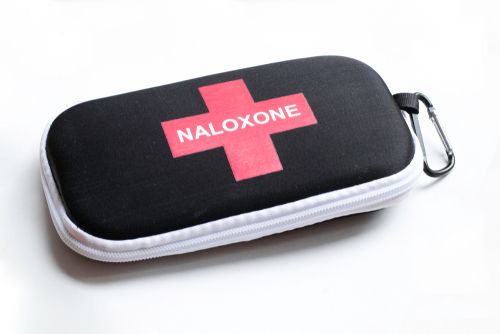
Narcan (naloxone) is widely available across the U.S. for overdose prevention, often without a prescription.1
You can find it in several places:
- Pharmacies: Available over the counter at major chains like CVS, Walgreens, Walmart, and Rite Aid. It’s often kept behind the counter, so you may need to ask a pharmacist.
- Community resources: Local health clinics, harm reduction programs, and public health organizations frequently offer naloxone—sometimes for free.
- Online: You can order naloxone from websites like Narcan.com or services such as NEXT Distro.
- State and local programs: Some areas provide free naloxone by mail—search “free Narcan (your state or city)” to find options near you. Naloxone does expire, so check the expiration date regularly and replace it as needed. Most products have a shelf life of about 2–3 years.
Get Free Naloxone
Many communities offer free naloxone through local distribution programs and outreach efforts. These programs are often run by harm reduction programs, public health departments, and community groups focused on overdose prevention.
To find free naloxone near you, search online for “free naloxone [your city or state].” In some areas, programs will even mail naloxone directly to your home at no cost.
You may also be able to get free naloxone from:
- Local health departments.
- Community health centers.
- Behavioral health and mental health clinics.
- Syringe service programs.
- Harm reduction organizations.
Your health care provider Some fire and police departments In some communities, naloxone vending machines are available 24/7. These machines function like traditional vending machines, allowing you to quickly access free naloxone when you need it. Check with your local health department to see if this option is available in your area.
Naloxone Training Options
While you don't need training to use naloxone, taking a short course can help you feel more confident.
Free online training is available through:
- NEXT Distro (formerly NEXT Harm Reduction).
- Overdose Lifeline.
- American Red Cross.
- CDC's STOP Overdose campaign.
Most training takes less than an hour to complete. Some communities also offer in-person training at harm reduction events or through local health departments. Check your state health department's website for training locations near you—many states have maps showing where to get trained and where to pick up naloxone.
Ongoing Support After an Overdose
Experiencing or witnessing an overdose can be a turning point. If you or someone you love may be struggling with opioid use, it could be time to explore treatment options.
Recovery.com makes it easy to browse opioid addiction treatment programs and find care that fits your needs, from medical detox to inpatient rehab and ongoing support.
Recovery is possible, and it starts with finding the right help.
FAQs
A: Yes, naloxone is available OTC without a prescription at most pharmacies across the U.S. You may need to ask the pharmacist for it since it's often kept behind the counter. Some states also offer free naloxone through public health programs.
A: Yes, naloxone has an expiration date, typically 2–3 years from the manufacturing date. Check your naloxone regularly and replace it if it's expired. Expired naloxone may not work as effectively.
A: No, naloxone works only if opioids are present in someone's system. If you give it to someone who hasn't taken opioids, it won't have any effect. It's safe to administer if you're unsure whether someone is experiencing an opioid overdose.
A: No, you don't need formal training to use naloxone in an emergency. The medication is designed to be simple enough for anyone to administer. However, brief training courses are available if you want to feel more prepared and confident.
A: Check your state or local health department's webpage for in-person training events. Many offer free naloxone training and distribution. You can also complete free online training through organizations like NEXT Distro, Overdose Lifeline, or the American Red Cross in under an hour.

Our Promise
How Is Recovery.com Different?
We believe everyone deserves access to accurate, unbiased information about mental health and recovery. That's why we have a comprehensive set of treatment providers and don't charge for inclusion. Any center that meets our criteria can list for free. We do not and have never accepted fees for referring someone to a particular center. Providers who advertise with us must be verified by our Research Team and we clearly mark their status as advertisers.
Our goal is to help you choose the best path for your recovery. That begins with information you can trust.