Find Treatment By
Rehabs by Location


Learn
About Us
Recovery.com combines independent research with expert guidance on addiction and mental health treatment. Our mission is to help everyone find the best path to recovery through the most comprehensive, helpful network of treatment providers worldwide.
Advisory Council
Our advisory council brings together leaders in behavioral health, technology, and business. Their diverse expertise ensures our resources and product are innovative, evidence-based, and effective. They guide our mission as accomplished individuals dedicated to improving the landscape of addiction recovery and mental wellness.
How to Stop Drinking Alcohol: 7 Keys to Lasting Sobriety



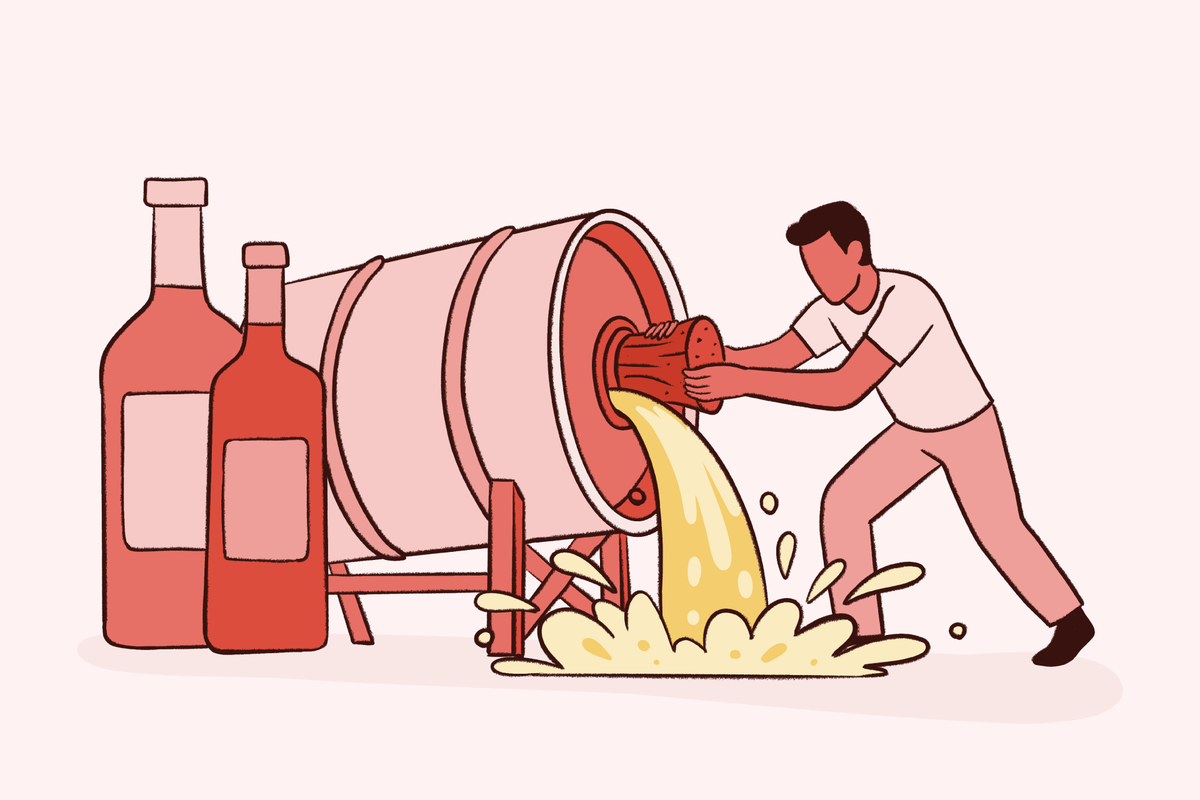
If you've ever tried quitting drinking, you know it can be challenging. And if you love someone with a drinking problem, you’re well aware that the journey can sometimes feel like an uphill battle. The good news is that people quit drinking every day, and many go on to live fuller, healthier lives than they ever thought possible.
If you're looking for treatment options, trying to understand alcohol use disorder, or figuring out how to support someone you care about, we’ll cover what you need to know to take the next step.
What Is Alcohol Use Disorder?
Alcohol use disorder (AUD) is a medical condition where you can't control or stop drinking despite negative consequences.1 It can be mild to severe, and it impacts your mental, emotional, and physical health. One of the classic signs is struggling to stop using, even when you want to.
You might have AUD if drinking interferes with your relationships, work, or daily responsibilities. Many people use alcohol to cope with stress or anxiety, which can create a cycle that's hard to break.
Find The Perfect Treatment For You
Answer a few questions and we'll match you with the best options.
What Are You Struggling With?
What Kind of Care Do You Need?
What Insurance Do You Have?
What Does Drinking Alcohol Do to Your Body?
Alcohol affects many important systems in your body. It can impair your brain function, increase blood pressure, and damage your liver. Over time, heavy drinking weakens your immune system and raises your risk of heart disease, cancer, stroke, and mental health problems.
For heavy drinkers, continued substance abuse can lead to life-threatening consequences. That's why it’s so important to understand your relationship with alcohol. Taking time to reflect on how much and how often you drink can help you make informed choices about your health.
Explore Alcohol Treatment Centers
What Are Effective Strategies to Quit Drinking Alcohol?
Recovery looks different for everyone. But for most people, some combination of these interventions can help you build a foundation for lasting change.














1.) Consider Professional Treatment
If you're struggling to stop on your own, professional help can make all the difference. Types of treatment range from outpatient programs (where you attend therapy while living at home) to inpatient rehab (which provides round-the-clock care in a structured environment). Rehab usually consists of an intensive schedule of evidence-based behavioral therapy, complementary therapies, and support groups.
For people with severe alcohol dependency, medical detox (often followed by medically assisted treatment) may be appropriate. Some residential rehabs offer medically supervised detox onsite; others can help refer you to a detox program prior to starting treatment.
2.) Understand Your Triggers
Triggers are the emotions, situations, or environments that make you want to drink. It’s common for people in early recovery to feel triggered by stress at work or in their relationships, social gatherings where drinking happens, or feelings like boredom or loneliness.
Keep a journal to track when you feel the urge to drink and what's happening around you. Ask yourself:
- What emotions am I having just before I want an alcoholic drink?
- Are there specific times of day or social situations that prompt me to reach for alcohol?
Recognizing these patterns helps you develop healthier ways to cope.
3.) Set Clear Goals
Setting specific, measurable goals gives you direction and motivation.2 A SMART goal might be: "I will reduce my alcohol intake to no more than two drinks on weekends for the next 3 months." This creates a roadmap for your recovery and helps you track progress along the way.
Your goals are personal to you. They might involve cutting back gradually, avoiding certain triggers, or committing to complete abstinence. Write them down and revisit them regularly.
4.) Build a Strong Support System
Surrounding yourself with supportive people who respect your decision to quit creates a positive environment for change. Your support system might include close friends, family members, therapists, or people in recovery groups like Alcoholics Anonymous (AA) or SMART Recovery.
Be open about your journey and reach out when you need help. It's important to distinguish between supportive connections and "drinking buddies" who might unintentionally make your recovery harder.
5.) Develop Healthy Coping Strategies
Having tools to manage cravings and stress helps you respond to challenges without turning to alcohol. You can try approaches like:
- Mindfulness and meditation to stay present and manage cravings
- Physical activity to reduce stress and lift your mood
- Journaling to process your thoughts and feelings
- Exploring new hobbies to occupy your mind and engage with things that interest you
- Building social connections through support groups or sober friends
6.) Address Mental Health Needs
Many people with alcohol use disorder also experience other mental health conditions like depression, anxiety, and trauma.3 Alcohol might temporarily relieve these symptoms, but it ultimately makes them worse.
Treatment plans that address both your alcohol misuse and mental health provide the best chance for lasting recovery. Talk to your healthcare provider about integrated care options.
7.) Restructure Your Daily Habits
Changing your routines helps eliminate cues associated with drinking. If you usually have wine after work, try replacing that habit with a walk or a fitness class. Create a regular schedule that includes time for self-care, therapy sessions, meetings, pursuing your interests, and socializing in alcohol-free environments.
Look for sober events in your community, like hiking groups, cooking classes, or art workshops. These activities help you build new, positive associations and connect with people who support your sobriety.
Learn more about finding the right support group for you in our article on How to Find Support Groups: Where to Start and What to Expect.
How Can I Prevent Alcohol Use Disorder?
Reducing your alcohol intake and reevaluating your lifestyle (if it tends to revolve around alcohol) lowers your risk of developing AUD. Start by learning healthy ways of manage stress through exercise, therapy, or mindfulness practices.
Pay attention to the relationships in your life. Spending time with people who support your wellness and personal growth can make a big difference. If most of your social activities revolve around drinking, consider exploring new ways to connect that don't involve alcohol.
If you have a family history of addiction, early awareness and education are especially important. Pay attention to your drinking patterns and make changes if you notice concerning habits developing.
How Can I Support a Loved One With Alcohol Use Disorder?
Supporting someone with AUD means listening without judgment and learning about the condition. Encourage them to seek treatment and offer emotional support along the way. Set healthy boundaries and avoid enabling behaviors, like making excuses for their drinking or bailing them out of consequences.
Family therapy and support groups can help you navigate this role. Remember, you can't force someone to change—they have to want it for themselves. But your presence in their journey can make a meaningful difference.
To learn more about maintaining healthy boundaries while staying supportive, see our article on The Difference Between Helping and Enabling in Relationships.
Maintaining Long-Term Recovery
Recovery from alcohol addiction requires consistent effort. Because addiction is a chronic, relapsing condition, staying proactive helps minimize the risk of returning to old habits. Keep practicing self-care, engage in support groups, and surround yourself with understanding people.
Life can be incredibly enjoyable without alcohol. Many people discover new passions, hobbies, and friendships that enrich their experiences. Focus on what you enjoy about sobriety and make conscious choices to nurture your health and happiness. Your journey may have challenges, but the potential for joy and satisfaction in an alcohol-free life is within your reach.
If you're ready to take the next step, explore alcohol rehab options near you to find the right treatment program for your needs.
FAQs
Within hours to days, your body begins to detox. Sleep, digestion, and hydration improve. Over time, you may see better liver function, brain clarity, immune strength, clearer skin, and improved mood. Symptoms vary based on your drinking patterns and overall health.
The 1/2/3 rule suggests limiting yourself to 1 drink per hour, no more than 2 drinks per occasion, and no more than 3 times per week. While this may help some people drink mindfully, it's not a clinical recommendation. If you're struggling to control your drinking, guidance from qualified healthcare professionals is more effective.
Start by identifying your reasons for quitting and setting clear goals. Seek support from friends, family, therapists, or peer groups like AA. Consider professional treatment if needed. Be patient with yourself—recovery is a long-term process that involves building healthy routines and asking for help when you need it.
When you stop drinking, your body starts healing immediately. Early benefits include better sleep and more stable blood pressure. Long-term abstinence can reverse or reduce risks of liver damage, heart disease, and certain cancers. You may also experience improved mental clarity, better mood, and increased energy.
FDA-approved medications include naltrexone, acamprosate, and disulfiram. These can reduce cravings, block alcohol's rewarding effects, or cause unpleasant reactions when you drink. Always consult a healthcare provider to determine what's right for you.
Symptoms of alcohol withdrawal usually begin 6–12 hours after your last drink and can range from mild (anxiety, tremors) to severe (seizures, hallucinations). Medical supervision is recommended, especially if you've been drinking heavily or long-term. Never attempt to detox alone with severe dependence.

Our Promise
How Is Recovery.com Different?
We believe everyone deserves access to accurate, unbiased information about mental health and recovery. That's why we have a comprehensive set of treatment providers and don't charge for inclusion. Any center that meets our criteria can list for free. We do not and have never accepted fees for referring someone to a particular center. Providers who advertise with us must be verified by our Research Team and we clearly mark their status as advertisers.
Our goal is to help you choose the best path for your recovery. That begins with information you can trust.