Find Treatment By
Rehabs by Location


Learn
About Us
Recovery.com combines independent research with expert guidance on addiction and mental health treatment. Our mission is to help everyone find the best path to recovery through the most comprehensive, helpful network of treatment providers worldwide.
Advisory Council
Our advisory council brings together leaders in behavioral health, technology, and business. Their diverse expertise ensures our resources and product are innovative, evidence-based, and effective. They guide our mission as accomplished individuals dedicated to improving the landscape of addiction recovery and mental wellness.
What Is End-Stage Alcoholism? 9 Critical Signs and How to Get Help


Key Takeaways
- Common health complications from end-stage alcoholism can include cirrhosis, Wernicke-Korsakoff syndrome, pancreatitis, and alcoholic cardiomyopathy.
- Treatment typically begins with medically supervised detox, followed by residential rehab and long-term support.
- Recovery is possible even at this stage, though it often requires intensive, long-term care.
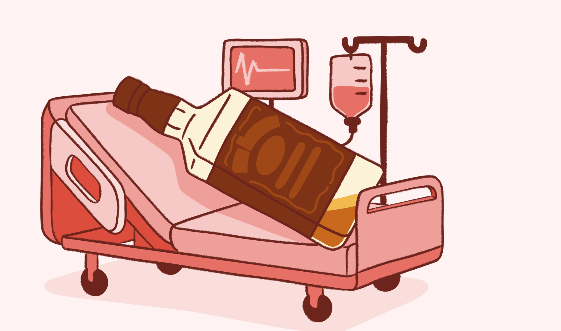
End-stage alcoholism is a non-clinical term used to describe the most severe and advanced phase of long-term alcohol use disorder (AUD). While this term isn't officially recognized in diagnostic manuals, it's commonly used to refer to the point at which chronic alcohol use has led to serious, often life-threatening health issues.
Without treatment, alcohol use can cause more than 200 diseases and irreversible health issues.1 The longer you drink, the greater your risk of reaching this stage.
If your drinking is causing serious health problems, it may be time to seek medical care and consider treatment programs that can support your recovery.
Find The Perfect Treatment For You
Answer a few questions and we'll match you with the best options.
What Are You Struggling With?
What Kind of Care Do You Need?
What Insurance Do You Have?
Diagnosis of End-Stage Alcoholism
Alcohol use disorder (AUD) is one of the most common mental health conditions in the U.S. According to the National Survey on Drug Use and Health, over 28 million people aged 12 or older had AUD in 2022.2 This chronic, progressive disease can produce serious and possibly fatal outcomes if allowed to continue without the proper care.
End-stage alcoholism is one of the most serious outcomes that can develop after years of untreated or poorly managed alcohol addiction.
Explore Alcohol Treatment Centers
Defining Alcohol Addiction
Alcohol addiction is different from responsible social drinking. People with AUD may keep drinking even when alcohol harms their health, relationships, or daily life. If you're worried that you might have alcohol dependence (when your body adapts to alcohol and you feel withdrawal symptoms when you stop), it is important to seek guidance from a mental health or addiction professional who can properly assess you.3
Using the current Diagnostic and Statistical Manual of Mental Disorders (DSM-5), these professional can reference the criteria for AUD to determine a diagnosis.4 These include:
- Consuming alcohol in larger amounts or for a longer period of time than originally intended
- Experiencing several unsuccessful attempts at cutting down or stopping alcohol use
- Spending a great deal of time obtaining, using, or recovering from alcohol
- Having cravings to continually drink alcohol
- Failure to uphold responsibilities at work, home, school, etc. due to recurrent alcohol use
- Continuing to use alcohol despite the social or interpersonal problems it causes
- Giving up important activities or previously enjoyed hobbies because of alcohol use
- Continuing to consume alcohol even in situations where it may be physically hazardous to do so, such as while driving
- Continuing to use alcohol despite knowing that doing so is causing or exacerbating a physical or mental health issue
- Developing tolerance, which is the need for increased amounts of alcohol to achieve the desired effects
- Experiencing withdrawal symptoms when not drinking, or drinking to avoid the onset of them
If you meet at least two of these criteria within a 12-month period, you may have AUD.4 To receive an official diagnosis, reach out to a trained professional, such as a doctor, therapist, or other mental health specialist.














What Is End-Stage Alcoholism?
People in this phase have typically had severe AUD for a long time, along with growing health concerns.
When you have late-stage AUD, drinking can cause more serious problems over time. You may need ongoing medical care for chronic health conditions and may also develop new symptoms that affect your brain and nerves.
By definition, end-stage alcoholism describes a life-threatening phase of AUD. Globally, 2.6 million deaths per year are attributable to alcohol consumption.1 Although recovery is possible, it often requires intensive and long-term treatment.
What Are the Symptoms of End-Stage Alcoholism?
The symptoms of end-stage alcoholism can look very different from person to person. It depends on your health concerns. Some symptoms only show up in late-stage AUD. Others might start earlier, or they can happen for reasons not related to alcohol.
These symptoms may suggest severe or life-threatening complications:
- Yellowing skin (jaundice, when bilirubin builds up and turns your skin and eyes yellow)
- Swollen legs or feet
- Dementia (serious problems with memory and thinking) or confusion
- Heart problems (for example, arrhythmia, which means an irregular heartbeat, or cardiomyopathy, which means disease of the heart muscle)
- Trouble breathing
- Low blood pressure
- Poor muscle coordination
- Tremor
- Memory issues
These symptoms are also serious, but they can happen at different stages of AUD:
- Fever
- Shaking
- Unexplained weight loss
- Poor nutrition and vitamin deficiencies
- Digestive problems
- High blood pressure
- Bruising easily
- Lower alcohol tolerance
These symptoms may signal damage to your liver, brain, or other organs. While they're not all specific to end-stage alcoholism, they may worsen as AUD progresses. If you're experiencing any of these symptoms, getting medical care right away can help you understand what's going on.
What Are the Health Effects of End-Stage Alcoholism?
Alcohol can weaken your immune system, which may make your body more vulnerable to illness.6 Long-term alcohol use can lead to severe, sometimes irreversible health problems. If you have any of the following conditions, alcohol addiction treatment can be part of your overall care plan.
Cirrhosis
Your liver filters toxins, including alcohol, from your blood. Long-term alcohol use can overwork your liver and cause progressive damage:
- Stage 1: Fatty liver disease – Excess fat builds up in the liver.7
- Stage 2: Alcoholic hepatitis – The liver becomes inflamed. This stage may improve with treatment and stopping alcohol.8
- Stage 3: Cirrhosis – Permanent liver scarring. According to the National Institute of Diabetes and Digestive and Kidney Diseases, "cirrhosis may eventually lead to liver failure, also called end-stage liver disease."9
Wernicke-Korsakoff Syndrome
Sometimes referred to as "wet brain," Wernicke-Korsakoff syndrome is a brain condition that can happen with long-term heavy drinking. It often relates to a severe lack of vitamin B1 (thiamine).10
- Wernicke's encephalopathy – Causes confusion, low blood pressure, and coordination issues.10
- Korsakoff syndrome – Leads to amnesia (severe memory loss) and other memory problems.10
Without treatment, Wernicke-Korsakoff syndrome can become disabling or fatal. Recovery is possible, but it may be incomplete.10
Pancreatitis
Some sources estimate that alcohol plays a role in up to 25% of pancreatitis cases.11 This condition causes inflammation in the pancreas and may lead to symptoms like nausea and vomiting. Some acute cases improve with care, but chronic pancreatitis is often harder to manage.
Alcoholic Cardiomyopathy
Long-term heavy drinking can raise your risk of heart problems, including alcoholic cardiomyopathy (ACM).12 In ACM, alcohol-related damage weakens the heart muscle, which can cause symptoms similar to heart failure. Treatment often includes stopping alcohol, along with medical care for heart symptoms.12
Cancer
The Centers for Disease Control and Prevention notes that "the less alcohol you drink, the lower your risk for cancer."13 Alcohol use raises the risk of several cancers, including liver, breast, throat, and colon cancer.13 When you stop drinking, your risk may go down over time, but the timeline varies.
How Long Does End-Stage Alcoholism Last Before Death?
The short answer is, it depends. End-stage alcoholism usually comes with at least one serious health problem, like liver damage or brain issues. Each health problem is different. Some can improve with the right medical care and long-term recovery support. Others, like severe liver scarring, often need long-term medical treatment.
Some studies suggest that complications like alcoholic cardiomyopathy and cirrhosis can lower life expectancy, especially without treatment.5 Outcomes may improve with early care and ongoing support.
What Are the Treatments for End-Stage Alcoholism?
This stage can look different from person to person. You may have one or more alcohol-related health concerns. The best-fit treatment plan depends on your needs, diagnosis, and goals.
Medical Detox
If you're physically dependent on alcohol, detox can be a helpful first step. Alcohol withdrawal (symptoms that can happen when your body has adapted to alcohol and you stop or cut back) can be life-threatening without medical care.14
Detox programs often last a few days to two weeks. During this time, doctors and nurses can monitor your symptoms and may use medications to ease withdrawal symptoms. Many centers also help you plan next steps before you leave detox.
Residential Rehab
In late-stage alcoholism, you may benefit from a rehab program that includes medical care. Residential treatment can support both your physical health and mental health.
Inpatient programs often last several weeks to months. Aftercare options may include intensive outpatient programs (IOPs) or sober living homes.
Ongoing Medical Care
Chronic illnesses like cirrhosis often need long-term management. Timothy Morgan, MD, notes, "Cessation of alcohol is necessary to treat alcoholic liver disease."15 Even with recovery, some symptoms may continue, and your care team can help you plan for ongoing support.
Support Groups
At any stage of addiction and recovery, social support can help you manage AUD and stay connected.16 You may find support through family therapy, peer support, or attending 12-Step groups like Alcoholics Anonymous (AA).
This support can feel especially helpful if alcohol use has strained your relationships. A treatment program may help you reconnect with loved ones and build new support.
Supporting Families Through End-Stage Alcoholism
When someone you love is living with end-stage alcoholism, it's natural to feel overwhelmed. Their health concerns and ongoing alcohol use may stretch your emotional energy.
You may not control another person's choices, and you can still set healthy boundaries. Support groups like Al-Anon can help you care for your own well-being. Family therapy or individual therapy may also help. Children in the home may benefit from counseling and support, too.
Start Your Recovery Journey
If you're ready to find addiction treatment for yourself or a loved one, we're here to help. Browse top medical detox centers in the United States, inpatient addiction treatment facilities, aftercare options, and more to start on the path to recovery. You can search for rehab by insurance carrier, location, amenities, and more for free.
Starting now can help you get support sooner.
FAQs
Life expectancy can vary based on your health conditions and whether you stop drinking. Your healthcare team can share a clearer outlook based on your situation and your treatment plan.
AUD can progress from early-stage (drinking to cope, binge drinking, occasional blackouts) to middle-stage (more frequent drinking and relationship problems) to late-stage (serious health complications and frequent drinking). If you're unsure what stage fits your experience, a professional assessment from an alcohol addiction specialist can help.
A: Severe alcohol-related illness can affect many organs, including your liver, heart, and brain. This can lead to symptoms like confusion, trouble breathing, or seizures. If you or someone you’re with has yellowing skin, severe confusion, trouble breathing, or seizures, seek emergency medical care right away.
End-stage alcoholism is a non-clinical term that describes advanced alcohol use disorder (AUD). A trained professional can diagnose AUD after a full assessment.4
It may lead to conditions like cirrhosis, Wernicke-Korsakoff syndrome, pancreatitis, alcoholic cardiomyopathy, and some cancers.9-13 These conditions can be life-threatening and often need long-term care.
Treatment often starts with medical detox and may include residential rehab. Long-term medical care, peer support, and family counseling can also be part of a recovery plan.




Our Promise
How Is Recovery.com Different?
We believe everyone deserves access to accurate, unbiased information about mental health and recovery. That's why we have a comprehensive set of treatment providers and don't charge for inclusion. Any center that meets our criteria can list for free. We do not and have never accepted fees for referring someone to a particular center. Providers who advertise with us must be verified by our Research Team and we clearly mark their status as advertisers.
Our goal is to help you choose the best path for your recovery. That begins with information you can trust.