Find Treatment By
Rehabs by Location


Learn
About Us
Recovery.com combines independent research with expert guidance on addiction and mental health treatment. Our mission is to help everyone find the best path to recovery through the most comprehensive, helpful network of treatment providers worldwide.
Advisory Council
Our advisory council brings together leaders in behavioral health, technology, and business. Their diverse expertise ensures our resources and product are innovative, evidence-based, and effective. They guide our mission as accomplished individuals dedicated to improving the landscape of addiction recovery and mental wellness.
Court-Ordered Rehab: How Long It Lasts and What to Expect



For many people, the path to rehabilitation starts not with a personal decision, but with a court order. While court-ordered rehab is not a punishment, people rarely perceive that way at first.
If you, or someone you love, is going through this journey, or if you are supporting a loved one, then you are probably wondering what the entire process looks like. While the answer seems straightforward, court-ordered rehab does not work the same way everywhere. This process can be different depending on the specific state. What a judge in Washington can order, for example, can be different from what the judge requires in California. This variation matters, as it shapes your entire experience and how you will handle it.
In this guide, we will cover everything you need to know about court-ordered rehab, including how long it lasts and what to expect, wherever you are.
What is Court-Ordered Rehab?
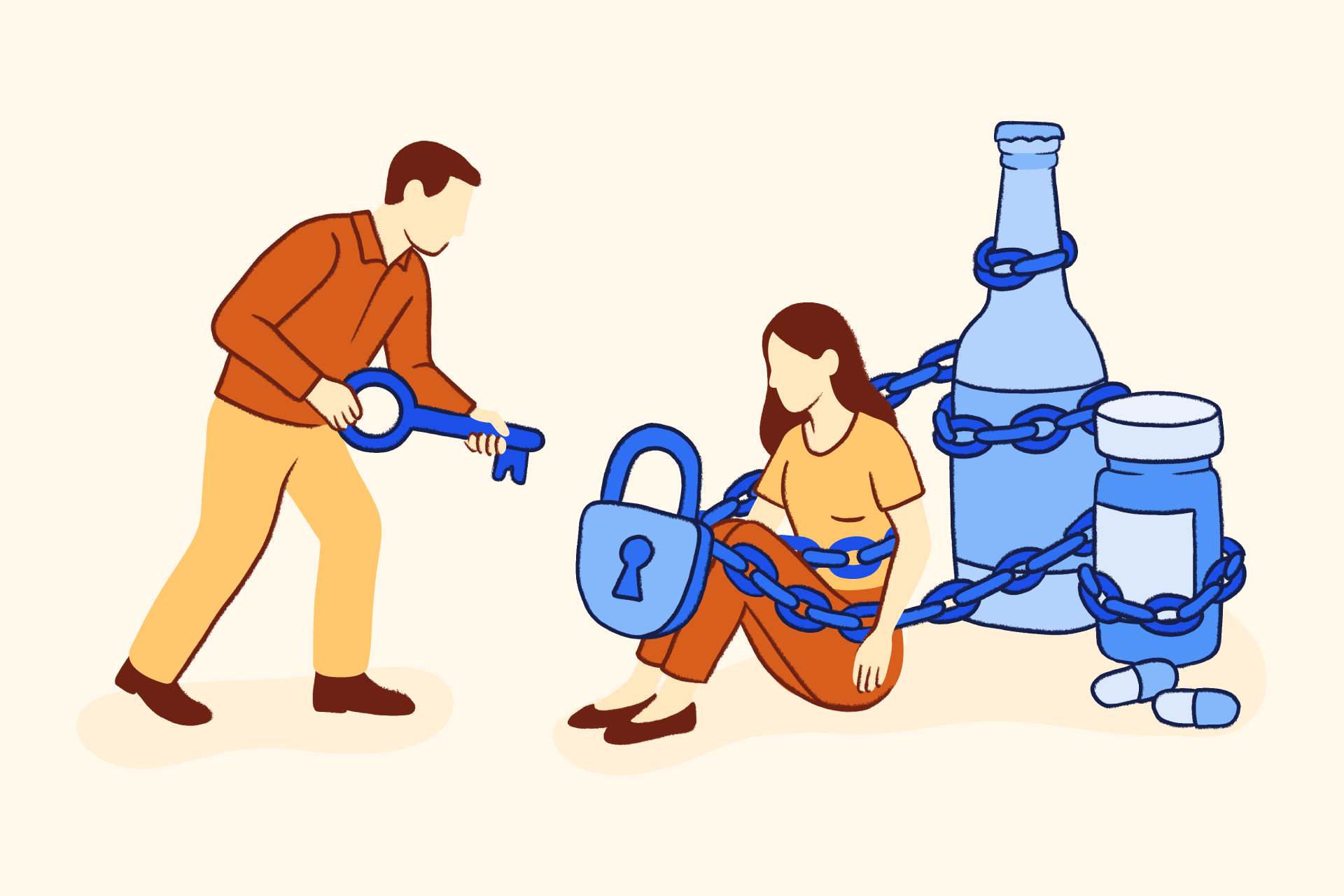
Court-ordered rehab is a recovery program for substance abuse and addiction treatment. In such a scenario, a judge may require a person to enter recovery as part of the criminal case, instead of imprisonment. Court-ordered rehabilitation applies in the following cases:
- Drug possession or distribution charges
- Driving under the influence (DUI) or driving while intoxicated (DWI)
- Offenses committed while under the influence of alcohol or drugs
- Probation or parole violations related to substance use
- Child custody cases where substance use is a factor
Note: How court approaches to the specific case can vary, depending on the particular state you are in.
In Texas, for example, drug courts are county-run and can differ widely even within the state. Someone in Houston may have access to a wide range of treatment options, while someone in a rural county may be limited to whatever local programs exist. California, on the other hand, takes a treatment-forward approach. Most people found guilty of drug possession offenses are entitled to treatment rather than jail time under Proposition 36, which was approved in 2000.
Types of Court-Ordered Rehab Programs
Court-ordered rehab programs are not the same, and the specific program that the judge orders depend on factors such as the severity of the issue, the nature of the offense, and what’s available in the state. The American Society of Addiction Medicine (ASAM) has established criteria that many states use to determine which types of court-rehab programs should be implemented. To have a better understanding, let's discuss them separately.
Inpatient Rehabilitation
Inpatient rehabilitation programs require patients to live at the treatment facility throughout the entire duration. Programs typically offer individual therapy, group counseling, and medication-assisted treatment (MAT). In states like West Virginia, options for this type of program are limited to publicly funded facilities. In California, and particularly in cities like Los Angeles, on the other hand, the range of residential programs is significantly broader. If you have the finances or insurance coverage, luxury rehab in Los Angeles can be a court-compliant path that offers evidence-based treatment.
Outpatient Programs
Outpatient programs are designed for people who have already completed an inpatient program before, or who have mild to moderate substance use disorders. This program allows you to stay at home while periodically attending treatment sessions. While you are staying at the rehab center for only a few hours, compliance is thoroughly tracked, and your skipped sessions are reported to the court.
Intensive Outpatient Programs
The intensive outpatient program is between inpatient and outpatient care. In the case of intensive outpatient programs, you attend treatment several hours during the week, while staying at home. Intensive outpatient programs (IOPs) sit between inpatient and standard outpatient care. This is usually for people who do not need 24/7 supervision, and the standard outpatient program cannot adequately address the severity of the substance use disorder.
Explore Justice Involved Treatment Centers
Detox Programs
Medical detox is usually required before any other treatment begins, especially if you are dependent on substances. Detox programs allow you to get rid of physical dependencies, allowing you to become medically stable. However, it does not address the broader behavioral health or psychological aspects of the issue. Once you complete your detox program, you will need to undergo either inpatient, outpatient, or intensive outpatient programs.














How Long Does Court-Ordered Rehab Last?
The first question that comes to your mind after the initial shock of a court order is how long does court-ordered rehab last. The answer is not as straightforward as it may seem. The specific timeline of your rehabilitation depends heavily on factors such as the type of program ordered, the severity of the issue, and how well you progress throughout your treatment. Moreover, courts in different states of the US have different minimum requirements, which also affect the duration of your treatment.
Typical Duration Ranges
Below, let's discuss typical duration ranges for the court-ordered rehab programs.
- Short-term inpatient rehab programs: 28 to 30 days
- Standard inpatient rehab programs: 60 to 90 days
- Long-term inpatient rehab programs: 6 to 12 months
- Standard outpatient programs: 3 to 6 months
- Intensive outpatient programs (IOPs): 3 to 6 months, sometimes longer
- Drug court programs: 12 to 24 months, including aftercare phases
Note: Drug court programs are the longest because they're structured in phases, and usually you pass through a series of milestones, before the court decides to close your case.
Factors That Affect Duration
Several factors affect the timeline of your treatment. To see what can push your timelines short or longer, let’s cover the main factors.
- State law and court policy: Some states set statutory timelines for court-ordered treatment, while others leave it to judicial discretion. In Texas, for example, it takes 12 to 18months. In California, on the other hand, the timeline may be extended if clinical progress warrants it.
- Severity of the substance use disorder: The higher the severity of the substance use disorder, the longer the treatment. Someone with a long history of opioid dependence will require a longer program than someone dealing with early-stage alcohol misuse who might enter a shorter alcohol rehab.
- Type of substance involved: Stimulant use disorders, for example, often require longer treatment engagement than other substance use disorders because of how the brain recovers from prolonged stimulant use.
- Progress and compliance: Consistent attendance and active participation matter. It can move you through the phases faster. Conversely, even minor setbacks can delay your progress, prolonging your treatment.
- Co-occurring mental health conditions: Dual diagnosis treatment can elongate your treatment timeline. Usually, courts consider such scenarios more complex and ensure that there is enough time to handle the issues properly.
- Availability of programs: In many states or counties, there is a limited availability of rehabs. In such scenarios, you end up being in waitlists. Unfortunately, courts do not count this wait time as part of the treatment.
What Happens If You Fail or Refuse Rehabs?
Non-compliance with your rehab is considered a violation of the court order. The consequences can vary depending on the state, but they can include additional fines or extended mandated treatment. Different states handle such violations differently. Texas, for example, has a very immediate, punitive approach.
On the other hand, in California or Connecticut, courts are milder, as they recognize that the non-compliance is part of the recovery process. In such states, speaking with the attorney early on can help, as there may be options to modify your order or find a treatment option that suits you the best.
Benefits of Court-Ordered Rehab
It’s completely normal to feel resentful when treatment is not your choice. However, for many people experiencing substance use disorder, court-ordered rehabs are better. They offer external accountability. For many people who are in the later stages of the problem, undergoing treatment on their own does not always work, and knowing that the court is watching, and there is structure to walk away from can make a difference.
Additionally, court-ordered rehab programs are financially more beneficial. Between insurance coverage and publicly funded programs, options exist at every budget, and knowing them upfront matters. Rehab costs and insurance coverage vary more than most people realize.
How to Avoid Violations in Court-Ordered Rehab
To avoid violations in court-ordered rehabs, here are the most important things to keep in mind.
- Know your requirements: Make sure you know what is required from you, whether its attendance, drug testing, or check-ins. Do not assume anything, and consult with your attorney, when in doubt.
- Attend every session: Missing sessions are one of the causes of violation. Make sure that you attend every session, and in case you are sick, or have an emergency, let them know beforehand.
- Participate genuinely: Show up mentally, not just physically. Courts receive progress reports from your treatment provider, and genuine engagement shows.
- Communicate problems early: If you experience an issue that leads to compliance violations, such as transportation or finance, tell your attorney or treatment team before it becomes a violation.
Court-ordered rehab may not be the path to recovery you would want to consider but can turn out to be better than you initially expected. The timelines vary from one state to the other, but regardless of your location, treatment works, and recovery is really possible. And sometimes it just starts in the courtroom.
There Is Hope for Recovery
Addiction is treatable, and a life of freedom is possible. Connect with drug and alcohol treatment centers that specialize in your specific needs, from holistic care to medication-assisted treatment. Don’t wait another day to get help; find a recovery program that works for you.
FAQs
A: Court-mandated rehab is a treatment program required by a judge, often as part of a legal case. Instead of jail time or additional penalties, the court may order someone to attend addiction treatment to support recovery and reduce future legal risk.
A: A judge assigns a specific level of care—such as outpatient or residential treatment—based on the case and the person’s needs. The patient must follow program rules, attend sessions, and often provide progress updates to the court. Successful completion may reduce or replace legal consequences.
A: Payment depends on the situation. Some patients pay out of pocket or use private insurance. In many cases, public programs like Medicaid, state funding, or court-supported services may help cover costs, especially if the person qualifies financially.
A: Yes, Medicaid may cover court-ordered rehab if the treatment provider accepts Medicaid and the services are medically necessary. Coverage varies by state, so it’s important to confirm benefits and approved programs in your area.
A: Not completing a court-ordered program can lead to serious legal consequences. This may include fines, extended probation, or jail time. Courts typically expect full participation and progress, so staying engaged in treatment is essential.


Our Promise
How Is Recovery.com Different?
We believe everyone deserves access to accurate, unbiased information about mental health and recovery. That's why we have a comprehensive set of treatment providers and don't charge for inclusion. Any center that meets our criteria can list for free. We do not and have never accepted fees for referring someone to a particular center. Providers who advertise with us must be verified by our Research Team and we clearly mark their status as advertisers.
Our goal is to help you choose the best path for your recovery. That begins with information you can trust.