Find Treatment By
Rehabs by Location


Learn
About Us
Recovery.com combines independent research with expert guidance on addiction and mental health treatment. Our mission is to help everyone find the best path to recovery through the most comprehensive, helpful network of treatment providers worldwide.
Advisory Council
Our advisory council brings together leaders in behavioral health, technology, and business. Their diverse expertise ensures our resources and product are innovative, evidence-based, and effective. They guide our mission as accomplished individuals dedicated to improving the landscape of addiction recovery and mental wellness.
Compassion: An Essential Ingredient of Recovery



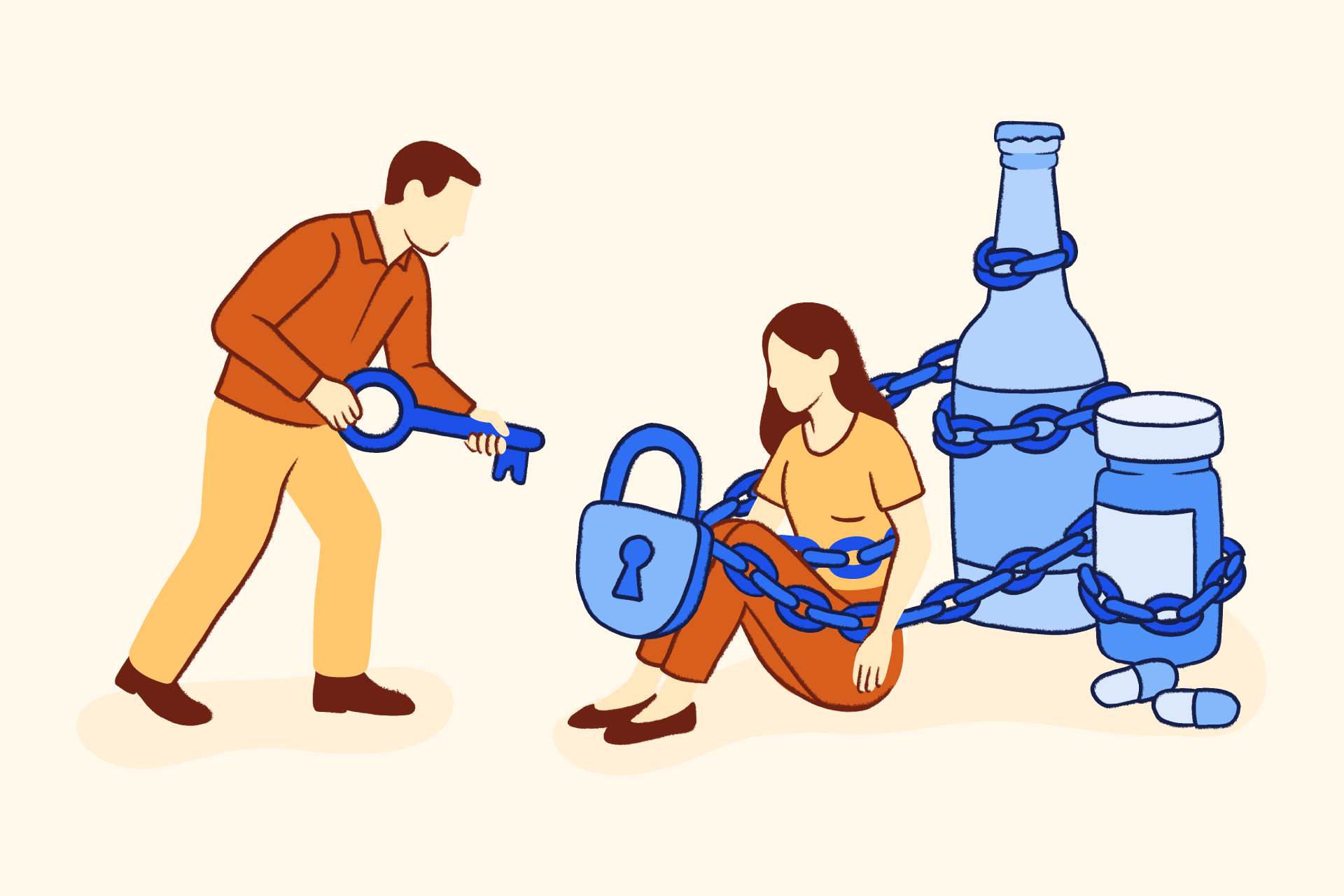
Addiction can be an incredibly difficult and trying road for everyone involved. Family members, close friends, and trusted associates often feel the painful ripple effects of substance use.
Severe substance use can become all-consuming, taking up much of a person’s time and energy. This can leave others feeling abandoned, insignificant, or disposable. In the end, regardless of the substance involved, one common outcome often remains along the road of addiction: strained or broken relationships.
One important thing to remember, however, is that broken does not mean irreparable.
Defining and Choosing Compassion
According to Miriam-Webster’s Dictionary, compassion is a sympathetic awareness of others’ distress combined with a desire to alleviate it.
To rebuild the foundation of a healthy relationship, showing compassion during a loved one’s recovery is essential. Not only can family and friends begin their own healing process, but your loved one will also feel supported as they work toward recovery.
Here are five key benefits of showing compassion to someone in recovery:
Find The Perfect Treatment For You
Answer a few questions and we'll match you with the best options.
What Are You Struggling With?
What Kind of Care Do You Need?
What Insurance Do You Have?
1. Knowing How to Help by Understanding Addiction
Simply put, addiction affects the brain in powerful ways, creating behaviors that can feel beyond a person’s control. It may be difficult to feel compassionate, especially when addiction is misunderstood as a choice.
Learning how substance use disorders impact the brain can help loved ones move past lingering hurt and better understand what their loved one is facing.
Explore Family Therapy Treatment Centers
2. Improved Mental and Emotional Well-Being
Supporting someone through addiction can take a toll, both physically and emotionally. However, when your loved one is actively pursuing recovery, compassion can help both of you find a sense of peace.
Reaching a place of understanding may also reduce common signs of emotional distress, such as anxiety or mood swings.














3. Fewer Conflicts and Arguments
Heightened emotions and a loved one’s vulnerability can be a challenging mix. Conflict and negativity can increase stress and, in some cases, raise the risk of relapse.
Compassion plays a powerful role here. By responding with patience and understanding, even while holding boundaries, you reinforce the coping tools learned in treatment—such as managing emotions, handling stress, and navigating cravings or environmental triggers.

4. Stronger Personal Bonds
Where there is compassion, there is empathy. Empathy allows you to imagine what it’s like to walk in someone else’s shoes and to consider their feelings when making decisions.
Being able to relate to a loved one during their most difficult moments can help repair strained relationships. Over time, this shared understanding can strengthen your bond and support healing on both sides.
5. Compassion Inspires More Compassion
Helping someone in need is both humbling and transformative. Learning the difference between compassion and enabling not only strengthens family relationships but also provides critical encouragement to someone in early recovery.
When compassion is consistently shown, it can help your loved one see their situation with renewed clarity and hope. Down the road, that support is often remembered, and many go on to extend the same compassion to others facing similar struggles.
Discover a Path to Healing
From intensive individual therapy programs to 24/7 structured support, the right solution is out there. Explore options for wellness-focused mental health treatment, trauma treatment centers, and more to find a safe space to heal. Find a mental health facility today and begin your journey toward stability and peace.
FAQs
Compassion helps rebuild trust and emotional safety after addiction has strained relationships. It allows loved ones to support recovery without judgment while also creating space for mutual healing.
Addiction affects brain function, which can influence behavior and decision-making. Understanding this helps loved ones move beyond blame and respond with patience, empathy, and informed support.
Yes, compassion can lower tension and prevent unnecessary arguments. Calm, understanding responses help reinforce coping skills learned in treatment and reduce stress that could otherwise trigger setbacks.
Compassion involves offering support while maintaining healthy boundaries. Enabling removes accountability, while compassionate support encourages responsibility, growth, and continued recovery.
Compassion fosters empathy, which helps people reconnect emotionally and rebuild trust over time. Shared understanding during recovery often strengthens bonds and supports long-term healing for everyone involved.


Our Promise
How Is Recovery.com Different?
We believe everyone deserves access to accurate, unbiased information about mental health and recovery. That's why we have a comprehensive set of treatment providers and don't charge for inclusion. Any center that meets our criteria can list for free. We do not and have never accepted fees for referring someone to a particular center. Providers who advertise with us must be verified by our Research Team and we clearly mark their status as advertisers.
Our goal is to help you choose the best path for your recovery. That begins with information you can trust.