Find Treatment By
Rehabs by Location


Learn
About Us
Recovery.com combines independent research with expert guidance on addiction and mental health treatment. Our mission is to help everyone find the best path to recovery through the most comprehensive, helpful network of treatment providers worldwide.
Advisory Council
Our advisory council brings together leaders in behavioral health, technology, and business. Their diverse expertise ensures our resources and product are innovative, evidence-based, and effective. They guide our mission as accomplished individuals dedicated to improving the landscape of addiction recovery and mental wellness.
Ativan vs. Xanax: Differences, Uses, and Risks


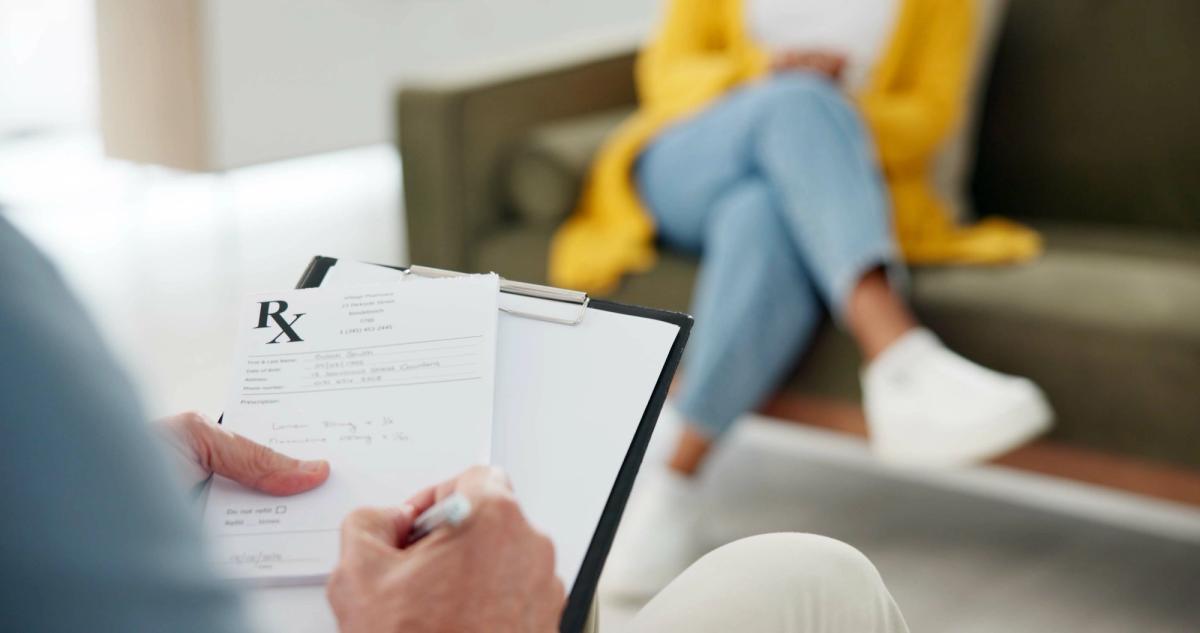
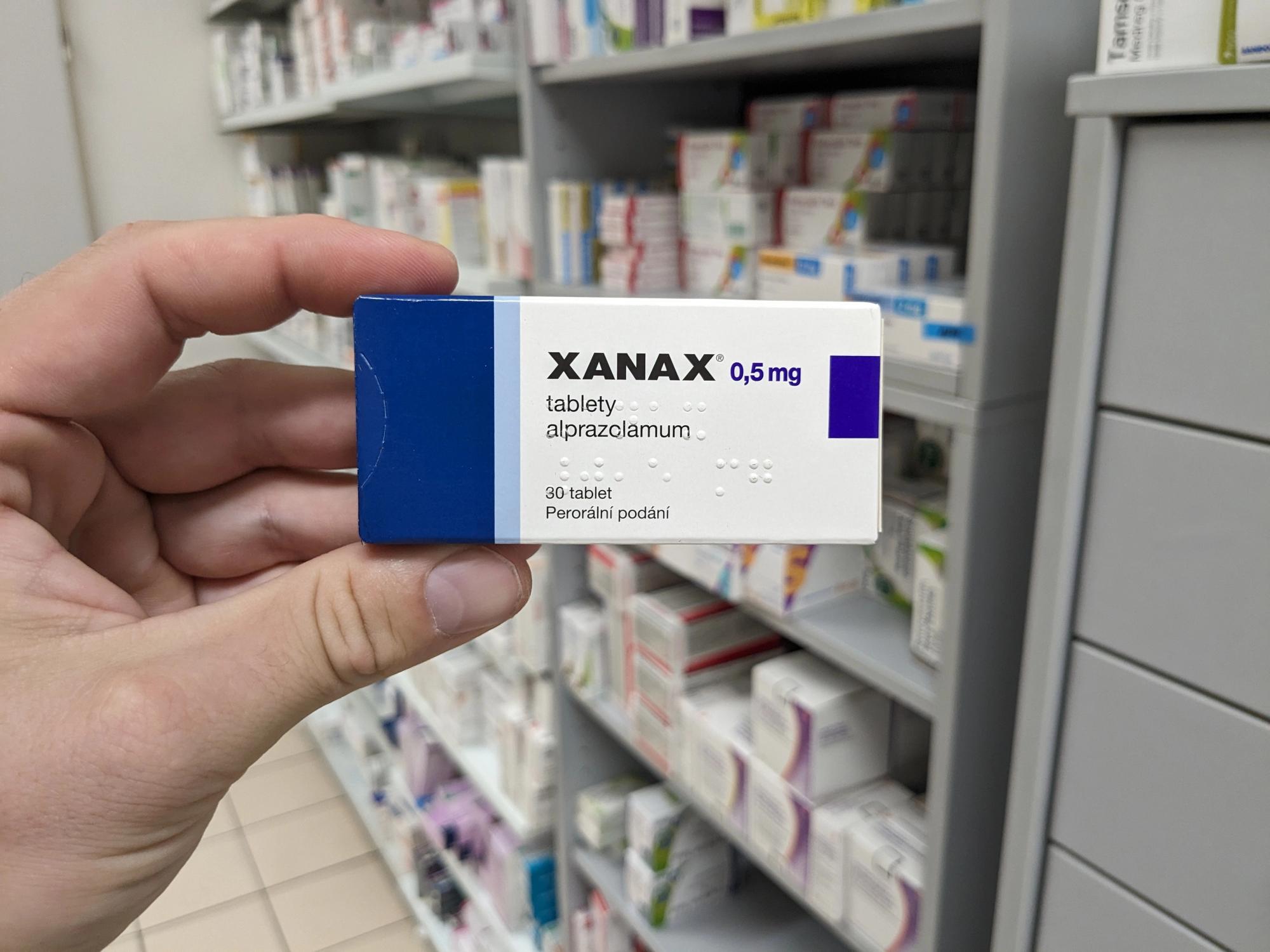
If you’re exploring options for anxiety treatment, you’ve likely heard of Ativan (lorazepam) and Xanax (alprazolam). These medications belong to a group called benzodiazepines, which act as central nervous system depressants, and while they’re similar in many ways, they each have unique characteristics that make them better suited for different situations.
Both of these medications work with your brain’s natural calming system by enhancing the effects of GABA (gamma-aminobutyric acid), a chemical in the brain that helps reduce anxiety. However, they differ in important ways—including how quickly they kick in, how long their effects last, and what they’re typically used for.
Ativan vs. Xanax: Key Differences
Duration of Action
One of the main things that sets these medications apart is how long they stay active in your system. Ativan typically works for 6-8 hours, making it helpful for people who need steady anxiety relief throughout the day.1 Think of it like a slow-release capsule that provides consistent support over a longer period.
The effects of Xanax peak at around 1-2 hours and last for up to six hours.2 While this shorter duration means you might need to take it more often, it can be helpful for people who need quick relief from sudden anxiety or panic attacks and prefer not to have long-lasting effects.
Onset of Effects
These medications also differ in how quickly they start working. Ativan can take as little as 15 minutes to kick in, making it especially effective for managing unexpected anxiety or panic attacks. It’s like having a rapid-response remedy ready when you need quick relief.
Xanax typically starts working within 30 minutes, and while this slightly slower onset of action might not be as ideal for panic attacks, many people appreciate its more gradual approach.2 This gentler onset can mean less intense initial effects, which some people find more comfortable.
Approved Uses
Doctors prescribe these medications for slightly different purposes, based on how they work in the body and what they’re approved to treat.
Ativan is usually prescribed for managing anxiety disorders like generalized anxiety disorder and:
- Managing alcohol withdrawal.
- Helping with anxiety before surgery.
- Treating severe seizures.
- Supporting sleep in some cases.
Xanax is often prescribed for:
- Managing different types of anxiety.
- Treating panic disorders.
- Helping with anxiety that occurs alongside depression.
Find The Perfect Treatment For You
Answer a few questions and we'll match you with the best options.
What Are You Struggling With?
What Kind of Care Do You Need?
What Insurance Do You Have?
How Do Ativan and Xanax Work?
Both Ativan and Xanax work by boosting GABA’s effects in the brain and central nervous system. GABA is a brain chemical that reduces neural activity, helping to create a calming effect. However, these medications are processed through the body differently.
Xanax vs. Ativan Effects in the Body
Ativan metabolizes directly into an inactive compound, while Xanax breaks down into several active metabolites before your body eliminates them. This metabolic difference partly explains why Xanax may have more pronounced effects initially but can also cause more complicated withdrawal symptoms.
Explore Benzodiazepines Treatment Centers
Side Effects of Ativan and Xanax
Common Side Effects
Both Ativan and Xanax’s side effects typically include:3
- Drowsiness.
- Fatigue.
- Lethargy.
When taken in higher doses, common side effects can include:3
- Dizziness.
- Mood swings.
- Reduced coordination.
- Blurry vision.
- Slurred speech.
Most people experience mild side effects when they start taking anxiety medications. These usually improve as your body adjusts. If you’re concerned about any effects you’re experiencing, discuss these with your prescribing doctor.
Severe Side Effects
While less common, both medications can potentially cause more serious effects:
- Severe confusion or disorientation.
- Significant memory problems.
- Changes in mood.
- Trouble balancing.
- Breathing problems, such as respiratory depression, particularly when combined with other substances like an opioid.
People commonly combine benzos with alcohol, either recreationally or to cope with anxiety. This dramatically increases the risk of adverse side effects, addiction, and overdose. Learn more in our article on mixing alcohol and other substances.
Differences in Side Effects
While both medications share many similar effects, there are some differences in how people typically experience them:
Ativan often causes:
- More pronounced sedation
- Less intense rebound anxiety between doses
- Fewer morning-after effects
Xanax typically involves:
- More noticeable initial effects
- More pronounced rebound anxiety between doses
- Greater likelihood of morning grogginess if you take it at night














Risks of Dependency and Withdrawal
It’s important to have an open conversation about the risks associated with these medications. Both Ativan and Xanax can lead to physical dependence, even if you take them exactly as prescribed. This is simply a result of how these medications work in the brain.
Dependency Risks
When you take benzodiazepines regularly, your brain adjusts to their presence. Over time, you might notice that you need a higher dose to get the same calming effect—this is called tolerance. Some people may become dependent on benzos within just a few weeks, which is why healthcare providers typically prescribe these medications for short-term use or as needed.4
If you’re experiencing any of the following, it could be a sign that you’re developing a dependency:
- Feeling like you need anti-anxiety medication to get through normal situations
- Experiencing increased anxiety about not having your medication available
- Needing higher doses to get the same feeling of relief
- Having trouble sleeping or feeling anxious if you miss a dose
Withdrawal Symptoms
If you’ve been taking Xanax or Ativan regularly, you should not stop taking it suddenly. Always work with your healthcare provider to create a safe tapering plan or determine if you may need medical detox. Withdrawal symptoms can be uncomfortable—and potentially dangerous—if they’re not managed properly.
Common withdrawal experiences include:
- Return of anxiety symptoms (often stronger than before)
- Restlessness and irritability
- Sleep problems
- Muscle tension
- Difficulty concentrating
Xanax’s shorter half-life means withdrawal symptoms might appear more quickly and feel more intense.2 Ativan’s longer-acting nature usually means a more gradual withdrawal experience.
Safe Usage Recommendations
Using these medications safely means taking them exactly as prescribed and avoiding alcohol and other sedating substances while taking them. That said, it’s also crucial to be honest with your healthcare provider about any other substances you’re using. Keep attending your regularly scheduled medication management appointments to monitor your progress. And of course, store your medications securely and never share your prescription with others.
Which Is Better: Ativan or Xanax?
When deciding between Ativan vs. Xanax for anxiety, there’s no one-size-fits-all answer. Think of these medications like different tools in a toolbox—each has its ideal use. Your prescriber will consider several factors to determine which might work better for you.
Factors to Consider
Type of Anxiety
Ativan might be your better option if you have persistent, daily anxiety that needs consistent management. If you deal with panic attacks or sudden anxiety spikes, Xanax could be more suitable.
Lifestyle Considerations
Which anxiety medication is best for you also depends on your:
- Work schedule (including whether you operate machinery or drive frequently).
- Daily responsibilities.
- Sleep patterns.
- Other medications you take.
Personal Factors
Other factors can also affect your treatment plan, such as:
- Your medical history.
- Previous experiences with anti-anxiety medications.
- Your age and overall health.
- Personal preferences about medication scheduling.
Doctor’s Recommendation
Your healthcare provider brings valuable expertise to this decision. They’ll consider:
- Your specific symptoms and diagnosis.
- Other health conditions you might have.
- Potential interactions with other medications.
- Your treatment history.
- Your lifestyle and daily routine.
Keep an open line of communication with your doctor about your concerns and preferences. This will help them make the best recommendation for your situation.
Alternatives to Ativan and Xanax
While benzodiazepines are helpful for a lot of people, they’re not the only option for managing anxiety. There are many effective alternatives, both in terms of other medications and non-medication approaches.
Non-Benzodiazepine Medications
Several other types of medications can help manage anxiety symptoms:
SSRIs and SNRIs
These medications (like Zoloft, Lexapro, or Effexor) work differently from benzodiazepines. Instead of providing immediate relief, they help regulate brain chemistry over time. They’re typically used to treat depression, but many people find them effective for long-term anxiety management without the risk of dependence.
Beta Blockers
These medications primarily help with the physical symptoms of anxiety, like racing heart and trembling. They’re usually used for specific situations like public speaking or performances.
Buspirone
This medication specifically treats anxiety without causing significant sedation or dependency.5 It works well for many people, though it typically takes a few weeks to feel the full effects.
Behavioral Therapies and Coping Strategies
Medication isn’t the only way to manage anxiety. Many people find these approaches helpful, either on their own or alongside medication:
Cognitive Behavioral Therapy (CBT) and Other Talk Therapies
CBT helps you understand and change thought patterns that contribute to anxiety. It’s like learning a new language—at first it takes conscious effort, but it becomes more natural with practice. Research shows CBT can be just as effective as medication for anxiety.
Mindfulness and Meditation
Mindfulness is the practice of staying grounded in the present moment. Many people find this helps ease their anxiety, as the brain tends to get caught up in anxiety about the future. Significant scientific evidence supports this. A study of 187 adults seeking treatment for mood and anxiety disorders found that mindfulness helps reduce anxiety by reducing worry.6 Even a few minutes of daily mindfulness can make a noticeable difference in managing anxiety symptoms.
Exercise and Lifestyle Changes
Getting daily physical activity, maintaining good sleep hygiene, and learning techniques for managing stress can help lower your anxiety levels. Some people find that making these changes reduces or even completely eliminates their need for anxiety medication.
Getting Support
Remember, seeking help for anxiety is a sign of strength, not weakness. Whether you’re considering starting one of these medications, currently taking them, or looking for alternatives, your healthcare provider can discuss your options and create a treatment plan that’s personalized to your needs.
Working with your treatment team to find the right approach—whether that includes Ativan, Xanax, other medications, or non-medication alternatives—is an important step in managing anxiety and improving your quality of life. Don’t hesitate to ask questions and share your concerns as you work together to find the best solution for your specific situation.
There Is Hope for Recovery
Addiction is treatable, and a life of freedom is possible. Connect with drug and alcohol treatment centers that specialize in your specific needs, from holistic care to medication-assisted treatment. Don’t wait another day to get help; find a recovery program that works for you.
FAQs
No, healthcare providers don’t prescribe these medications together because they work in very similar ways. Taking both could increase the risk of side effects without providing additional benefits.
Most healthcare providers recommend using benzodiazepines for short periods (a few weeks to months) or as needed for specific situations. Long-term use should be carefully monitored by your healthcare provider.
Yes, many alternatives exist, including SSRIs, SNRIs, buspirone, and various non-medication treatments like therapy and mindfulness practices. Work with your healthcare provider to find the best option for your situation.
Always work with your healthcare provider to create a tapering plan. Never stop taking these medications suddenly, as this can lead to withdrawal symptoms that can range from uncomfortable to very dangerous.
Until you know how either medication affects you, avoid driving or operating machinery. Some people experience significant drowsiness or decreased coordination, especially when first starting the medication or after dose changes.




Our Promise
How Is Recovery.com Different?
We believe everyone deserves access to accurate, unbiased information about mental health and recovery. That's why we have a comprehensive set of treatment providers and don't charge for inclusion. Any center that meets our criteria can list for free. We do not and have never accepted fees for referring someone to a particular center. Providers who advertise with us must be verified by our Research Team and we clearly mark their status as advertisers.
Our goal is to help you choose the best path for your recovery. That begins with information you can trust.