Find Treatment By
Rehabs by Location


Learn
About Us
Recovery.com combines independent research with expert guidance on addiction and mental health treatment. Our mission is to help everyone find the best path to recovery through the most comprehensive, helpful network of treatment providers worldwide.
Advisory Council
Our advisory council brings together leaders in behavioral health, technology, and business. Their diverse expertise ensures our resources and product are innovative, evidence-based, and effective. They guide our mission as accomplished individuals dedicated to improving the landscape of addiction recovery and mental wellness.
Exercise Addiction: Signs, Causes, and Treatment Options



Exercise addiction is a behavioral addiction marked by compulsive, excessive exercise that continues even when it causes physical, psychological, or social harm.¹ Researchers estimate the prevalence of exercise addiction at somewhere between 3% and 14% of people who exercise regularly, though rates vary depending on the population studied and the screening tool used, which is why this is increasingly seen as a public health concern.¹
The DSM-5 does not currently list exercise addiction as its own diagnosis, and the field of psychiatry instead evaluates it using the same principles applied to other behavioral addictions.² With the right support, you can rebuild healthy exercise habits instead of giving up movement altogether.
What Is Exercise Addiction?
Exercise addiction is thought to belong to a broader group of behavioral addictions, sometimes called process addictions, that involve compulsive engagement in an activity rather than the use of a substance.¹ Unlike substance use disorder, a process addiction centers on a behavior rather than a chemical, though the two can share similar underlying patterns of loss of control.
The line between dedication and addiction comes down to control. Someone who is simply committed to regular exercise can skip a workout without much distress, while someone with exercise addiction struggles to cut back even after it starts causing harm.¹
Find The Perfect Treatment For You
Answer a few questions and we'll match you with the best options.
What Are You Struggling With?
What Kind of Care Do You Need?
What Insurance Do You Have?
Who Is at Risk?
Exercise addiction is often associated with elite athletes, but it has also been observed in fitness enthusiasts, adolescents and college students, people with eating disorders or a history of other addictions, and those who use exercise to cope with stress.³ Research suggests men develop exercise addiction slightly more often than women, at roughly 4.0% compared to 1.8% in one large study of college students.⁴ Perfectionism and obsessive-compulsive personality traits are strongly linked to higher risk, especially when combined with high confidence in your own ability to push through discomfort.⁴
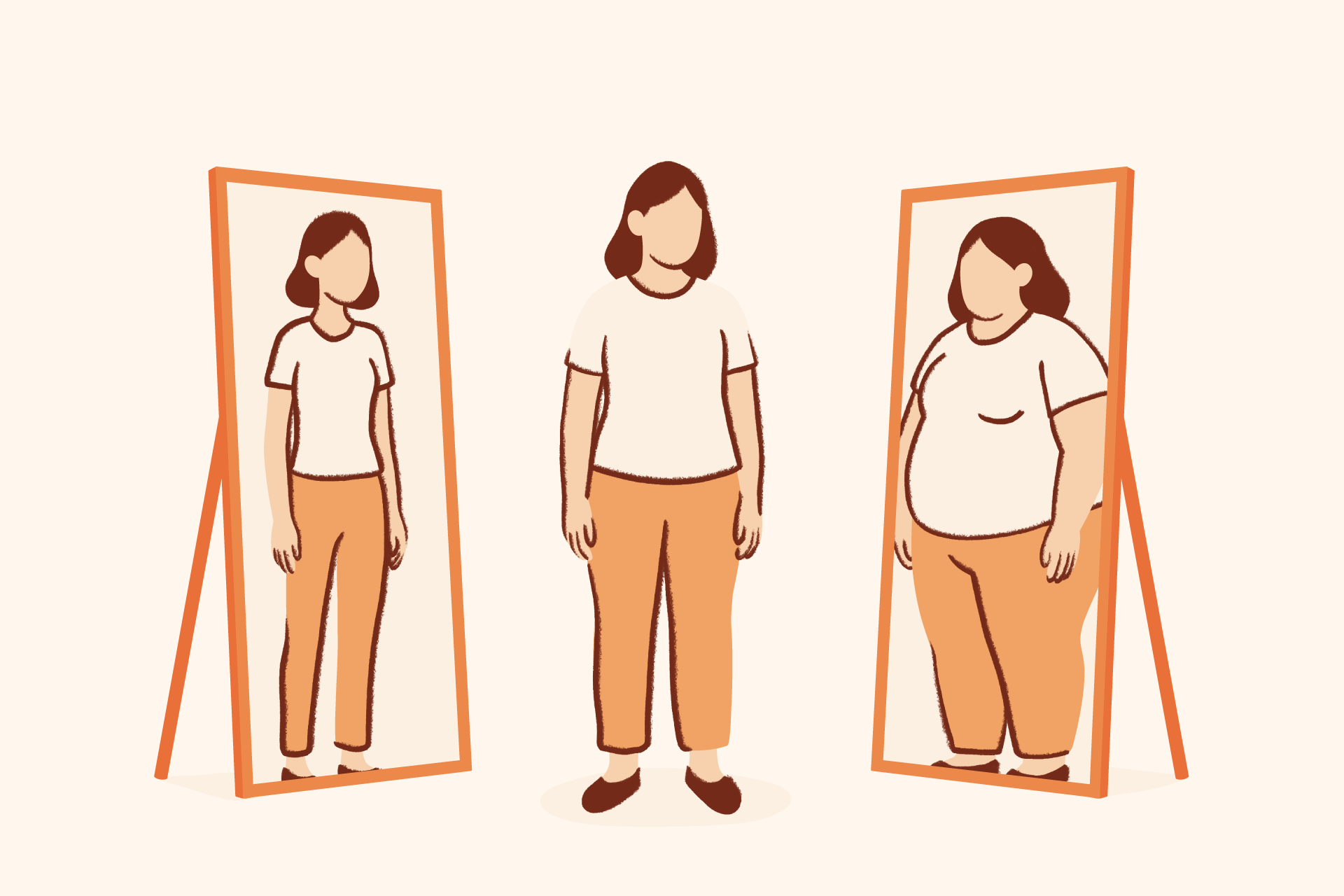
Body image pressure, including messaging amplified by social media, and a history of disordered eating also put you at high risk of developing exercise addiction.³ This overlap is common enough that healthcare providers often screen for both concerns together.³
Some people also start exercising for weight loss and gradually lose the ability to control how much they do, which is one of several correlates researchers have identified alongside perfectionism and self-efficacy.⁴ People rebuilding their lives after a substance use disorder sometimes turn to exercise as a healthy outlet and an important part of recovery. In some cases, however, exercise itself can become compulsive if it begins to serve a similar emotional or psychological role that substance use once did.
Explore Eating Disorders Treatment Centers
Why Exercise Can Become Addictive
When you exercise, activity increases in brain systems involving dopamine and endocannabinoids—chemicals involved in reward, motivation, and stress regulation—through pathways that overlap those involved in other addictive behaviors, including substance addiction.⁵ This is part of why regular exercise can feel so good and why people sometimes describe a runner's high, a feeling often compared to the rush of endorphins associated with other rewarding activities. In moderation, this reward system supports mental health and overall well-being by helping regulate mood and stress.⁵
But when exercise becomes the only way you know how to generate that feeling, it can escalate the same way other behavioral addictions do, with your brain needing more activity over time to get the same effect.⁵ Some people build a healthy version of this relationship by turning to exercise for addiction recovery as a way to replace substance use with something safer. Without balance, though, the same reward pathway that makes exercise beneficial can also make it addictive.














The 4 Phases of Exercise Behavior
Researchers, including psychologist Attila Szabo and colleagues, describe exercise behavior along a four-phase continuum, sometimes called the Four Phase model, that can help you figure out where your own relationship with exercise falls.¹,⁸
Recreational exercise At this stage, regular exercise is enjoyable and fits naturally into your life without crowding out your relationships, work, or other responsibilities.¹
At-risk exercise Here, the amount of exercise you do starts increasing, driven more by a need to manage stress or mood than by enjoyment itself.¹ Minor consequences, like mild tension in relationships or early signs of disordered eating, can start to appear.³
Problematic exercise Routines become rigid, and missing a workout can trigger anxiety or a low mood.³ Exercise starts interfering with school, work, or social life at this stage, even as the negative effects and negative consequences become harder to ignore.¹
Exercise addiction At this point, exercise controls your daily schedule, and avoiding withdrawal symptoms, not enjoyment, becomes the main reason you keep exercising.¹ Lack of control is clear, and exercise continues despite real physical, psychological, or social harm.¹
Signs and Symptoms of Exercise Addiction
The symptoms of exercise addiction can look different from person to person, but certain patterns show up consistently. Recognizing the signs of exercise addiction early can make treatment more effective. Potential signs include:
- Continuing to exercise despite pain, injury, or illness.³
- Feeling intense guilt or anxiety when a workout is missed.³
- Needing to exercise more and more to get the same sense of relief.¹
- Organizing your day, or your relationships, around your exercise schedule.³
- Skipping work, school, or social plans to make time to exercise.³
- Continuing to exercise even after it starts damaging relationships or daily functioning.¹
Co-occurring conditions Exercise addiction doesn’t always occur on its own. People with an eating disorder, such as anorexia nervosa or bulimia, are more than three and a half times as likely to also show signs of exercise addiction compared to people without one, according to a meta-analysis of nine studies.⁶ This comorbidity is significant enough that eating disorders and exercise addiction are often assessed together in clinical settings.⁶
Obsessive-compulsive personality traits show a similar pattern of overlap.⁴ If compulsive thoughts feel like part of the picture for you, an OCD self-assessment can help clarify whether obsessive-compulsive disorder is a separate concern worth addressing.
What Causes Exercise Addiction?
No single factor appears to cause exercise addiction. Biologically, the same dopamine and endocannabinoid brain signaling pathways that help make exercise feel good may contribute to compulsive patterns of exercise when physical activity becomes a person’s primary source of emotional relief or stress regulation.⁵
Psychologically, perfectionism, low self-esteem, and obsessive-compulsive personality traits all raise the likelihood that exercise becomes a compulsive behavior rather than a healthy habit.⁴ Environmentally, cultural pressure around body image and athletic performance can push people toward exercising past healthy limits, especially in competitive sports settings among elite athletes.³
Because these factors interact, treatment usually works best when it addresses the underlying psychological or environmental drivers rather than just the exercise behavior itself.
Health Effects of Exercise Addiction
Left unaddressed, exercise addiction can take a real toll on both body and mind, leading to a range of health problems and negative consequences. Effects can include:
- Overuse injuries and slower recovery from training.⁷
- A weakened immune system from repeated high intensity exercise without adequate rest.⁷
- Hormonal imbalances, including irregular menstrual cycles.³
- Anxiety, depression, and irritability, particularly when a workout is missed.³
- A higher likelihood of developing or worsening an eating disorder, given how often the two conditions overlap.⁶
These effects are serious, but they are also reversible. With early treatment, most people who address exercise addiction can restore their physical health, protect their quality of life, and rebuild a sustainable relationship with movement.⁸
Treatment Options for Exercise Addiction
Recovery usually starts with an honest look at your relationship with exercise, often through a validated questionnaire or self-assessment tool, such as the Exercise Addiction Inventory, that a healthcare provider can walk you through.¹ From there, treatment typically combines several interventions rather than relying on one alone.
Cognitive behavioral therapy (CBT), a widely used form of psychotherapy, is the most studied treatment for exercise addiction and focuses on identifying the thoughts and beliefs that drive compulsive exercise.⁸ It's often paired with a structured plan to gradually rebuild a balanced approach to movement.
Dialectical behavior therapy is used less often specifically for exercise addiction, but it can help when intense emotions or difficulty tolerating distress are part of the pattern. Support groups and peer connection can reinforce whichever therapy approach you choose.
If disordered eating is also part of the picture, nutritional counseling and medical monitoring often become part of the plan, alongside eating disorder treatment focused specifically on food and body image.⁶ There is no medication approved specifically for treating exercise addiction, though a provider may prescribe medication for a co-occurring condition like anxiety or depression.⁸
Because the DSM-5 does not classify exercise addiction as its own diagnosis, providers typically evaluate and treat it within the framework used for other behavioral addictions, which can include different levels of care depending on how much support you need.² A Levels of Care: A Guide to Addiction Treatment Options resource can help you understand what outpatient and more structured options can look like.
Find Treatment for Exercise Addiction
Regaining a healthy relationship with exercise does not mean giving it up completely. With the right support, most people learn to enjoy physical activity again without it controlling their day.
If you think you or a loved one may be dealing with exercise addiction, you can start by exploring exercise addiction recovery centers that specialize in behavioral addictions.
Reaching out for support is a strong first step toward reclaiming your wellness and getting your relationship with exercise back in balance. Addiction is treatable, and a life of freedom is possible. Don’t wait another day to get help; find a recovery program that works for you.
FAQs
Exercise addiction is compulsive exercise that continues despite the harm it causes to your physical health, relationships, or daily responsibilities.¹ It typically involves a loss of control over how much you exercise, along with withdrawal symptoms such as anxiety or irritability when you cannot exercise.³
Signs of overexercise include exercising despite pain or injury, feeling guilty or anxious when you miss a workout, and needing to exercise more over time to get the same sense of relief.³ Over-exercising becomes a concern when it starts interfering with work, school, or relationships.¹
Yes. People with an eating disorder are more than three times as likely to also show signs of exercise addiction compared to people without one.⁶ Because of this overlap, healthcare providers often screen for both conditions together.
Yes. Cognitive behavioral therapy is the most studied approach, and treatment often also addresses any co-occurring conditions, such as eating disorders or anxiety.⁸ Early treatment gives you the best chance of fully restoring your physical and mental health.
Exercise bulimia describes using exercise to compensate for eating, often as part of a broader eating disorder like bulimia nervosa.⁶ It reflects the same overlap between compulsive exercise and disordered eating seen in exercise addiction more broadly.
Exercise addiction and obsessive-compulsive disorder (OCD) are related but distinct. Obsessive-compulsive personality traits are associated with a higher risk of exercise addiction, but both primary exercise addiction as well as compulsive exercise behaviors can develop independently of OCD.⁴

Our Promise
How Is Recovery.com Different?
We believe everyone deserves access to accurate, unbiased information about mental health and recovery. That's why we have a comprehensive set of treatment providers and don't charge for inclusion. Any center that meets our criteria can list for free. We do not and have never accepted fees for referring someone to a particular center. Providers who advertise with us must be verified by our Research Team and we clearly mark their status as advertisers.
Our goal is to help you choose the best path for your recovery. That begins with information you can trust.