Wellness Recovery Center

Eating Disorders

Treatment Focus

You can get treatment for eating disorders at this center, helping you navigate symptoms, build coping tools, and restore your physical health under expert care.

Residential

Primary Level of Care

Offering intensive care with 24/7 monitoring, residential treatment is typically 30 days and can cover multiple levels of care. Length can range from 14 to 90 days typically.

Unclaimed

This provider hasn't verified their profile's information. Are you the owner of this center? Claim your listing to better manage your presence on Recovery.com.

Insurance

Insurance Accepted

This center accepts insurance, exact cost can vary depending on your plan and deductible.

Adults can step away from the eating disorder triggers that elevate stress and enter a setting built around steady care, regular meals with support, and clinical guidance. Wellness Recovery Center treats men and women ages 18 and older with various eating disorders and co-occurring mental health concerns.

Rebuild Healthy Daily Routines with Support

Daily care includes nutritional counseling, meal support, individual therapy, and group therapy. Adults practice regular meals in a structured setting instead of managing difficult eating patterns alone. Group support also gives adults a place to share experiences, reduce isolation, and build coping skills alongside others in care. Treatment may include evidence-based therapies such as cognitive behavioral therapy (CBT) and dialectical behavior therapy (DBT), along with narrative therapy, body image therapy, mindfulness-based support, and psychiatric medication management when appropriate.

Prepare for Lasting Recovery

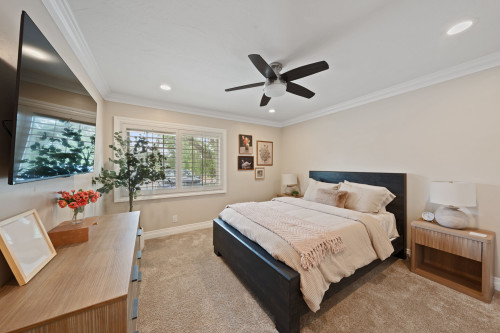
Treatment is shaped around each person’s symptoms, goals, and overall health, so therapy, nutrition work, and medication support fit the individual instead rather than a fixed program. Private rooms and residential amenities help protect comfort and personal space during treatment. Before discharge, staff help adults prepare for next steps through aftercare and discharge planning, including relapse prevention strategies, ongoing resources, therapy check-ins, and continued support after residential treatment.
Wellness Recovery Center thumbnail
AT A GLANCE

Center Overview

Location
12061 Browning Avenue, Santa Ana, CA 92705 View Map
Primary Focus
You can get treatment for eating disorders at this center, helping you n...

Treatment Focus

You can get treatment for eating disorders at this center, helping you navigate symptoms, build coping tools, and restore your physical health under expert care.

Conditions We Treat
Anxiety, Bipolar, Depression, Eating Disorders +6 More
Substance Use We Treat
Co-Occurring Disorders
Wellness Recovery Center logo
wellnessrecoverycenter.com
Are you the owner of this center? Claim it
Private Pay Option

Cash Pay Rates

Estimated Cash Pay Rate

Center pricing can vary based on program and length of stay. Contact the center for more information. Recovery.com strives for price transparency so you can make an informed decision.

We don't have pricing information for this center. Please contact the center for more information.
Care Options

Levels of Care

Eating disorders interfere with healthy eating habits, potentially causing weight changes, poor mental health, and physical harm. Treatment addresses underlying thoughts and beliefs, aiming to heal relationships with food. Weight restoration and other medical interventions stabilize physical health.
Included
Residential
Residential eating disorder treatment provides intensive medical and therapeutic care in a safe, structured setting with 24/7 monitoring, meal-time support, therapy, and services for weight restoration as needed.
Included
Intensive Outpatient Program
An intensive outpatient program (IOP) falls between inpatient care and traditional outpatient services, with therapy and skills-building activities designed to support recovery and provide flexibility. IOP is ideal for those needing support but not the 24/7 care of a residential facility.
Not included
Outpatient
Not Offered at This Center
Outpatient treatment offers flexible therapeutic and medical care without the need to stay overnight in a hospital or inpatient facility. Outpatient care typically offers a range of therapies and medical interventions individuals can attend alongside daily life.
Included
Virtual & In-Home Care
The delivery of therapeutic services utilizing technology such as video conferencing, online messaging or phone calls, allowing for flexibility, comfort and increased access to care.
Included
Co-Occurring Disorders
Conditions like depression, substance use, and trauma can co-occur with eating disorders. Many programs provide co-occurring eating disorder treatment for comprehensive healing.
Treatment

Your Care Options

Specializations

Eating Disorders

Eating Disorders

An eating disorder is a long-term pattern of unhealthy behavior relating to food. Most people with eating disorders have a distorted self-image.

Who We Treat

Men
Women
Men and Women

Men and Women

Men and women attend treatment for addiction in a co-ed setting, going to therapy groups together to share experiences, struggles, and successes.

Approaches

Evidence-Based

Evidence-Based

A combination of scientifically rooted therapies and treatments make up evidence-based care, defined by their measured and proven results.

Holistic

Holistic

A non-medicinal, wellness-focused approach that aims to align the mind, body, and spirit for deep and lasting healing.

Individual Treatment

Individual Treatment

Individual care meets the needs of each patient, using personalized treatment to provide them the most relevant care and greatest chance of success.

Trauma Informed

Therapies

1-on-1 Counseling

1-on-1 Counseling

Patient and therapist meet 1-on-1 to work through difficult emotions and behavioral challenges in a personal, private setting.

Art Therapy

Art Therapy

Visual art invites patients to examine the emotions within their work, focusing on the process of creativity and its gentle therapeutic power.

Body Image Therapy

Body Image Therapy

Therapists use cognitive behavior techniques to challenge how patients perceive their body and their worth, rewriting negative thoughts and attitudes.

Cognitive Behavioral Therapy

Cognitive Behavioral Therapy

Cognitive Behavioral Therapy helps people identify and change unhelpful thought patterns and behaviors that contribute to emotional distress.

Dialectical Behavior Therapy

Dialectical Behavior Therapy

Dialectical Behavior Therapy teaches skills for managing emotions, improving relationships, tolerating distress, and increasing mindfulness.

Exposure Therapy

Exposure Therapy

Exposure therapy helps individuals gradually face feared situations or triggers to reduce anxiety and build confidence over time.

Eye Movement Therapy (EMDR)

Eye Movement Therapy (EMDR)

Lateral, guided eye movements help reduce the emotional reactions of retelling and reprocessing trauma, allowing intense feelings to dissipate.

Family Therapy

Family Therapy

Family therapy addresses group dynamics within a family system, with a focus on improving communication and interrupting unhealthy relationship patterns.

Group Therapy

Group Therapy

Group therapy brings people together in a supportive setting to share experiences, develop skills, and work toward common goals.

Languages

English

Conditions We Treat

Anxiety

Anxiety

Anxiety is a common mental health condition that can include excessive worry, panic attacks, physical tension, and increased blood pressure.

Bipolar

Bipolar

This mental health condition is characterized by extreme mood swings between depression, mania, and remission.

Depression

Depression

Symptoms of depression may include fatigue, a sense of numbness, and loss of interest in activities. This condition can range from mild to severe.

Eating Disorders

Eating Disorders

An eating disorder is a long-term pattern of unhealthy behavior relating to food. Most people with eating disorders have a distorted self-image.

Obsessive Compulsive Disorder (OCD)

Obsessive Compulsive Disorder (OCD)

OCD is characterized by intrusive and distressing thoughts that drive repetitive behaviors. This pattern disrupts daily life and relationships.

Personality Disorders

Personality Disorders

Personality disorders destabilize the way a person thinks, feels, and behaves. If untreated, they can undermine relationships and lead to severe distress.

Post Traumatic Stress Disorder

Post Traumatic Stress Disorder

PTSD is a long-term mental health issue caused by a disturbing event or events. Symptoms include anxiety, dissociation, flashbacks, and intrusive thoughts.

Self-Harm

Self-Harm

The act of intentionally harming oneself, also called self-injury, is associated with mental health issues like depression.

Suicidality

Suicidality

With suicidality, a person fantasizes about suicide, or makes a plan to carry it out. This is a serious mental health symptom.

Substances We Treat

Co-Occurring Disorders

Co-Occurring Disorders

A person with multiple mental health diagnoses, such as addiction and depression, has co-occurring disorders also called dual diagnosis.

Aftercare

Relapse Prevention Planning
Outpatient Treatment
Experience

Care Designed for Your Needs

Personal Amenities

Private Rooms

Amenities

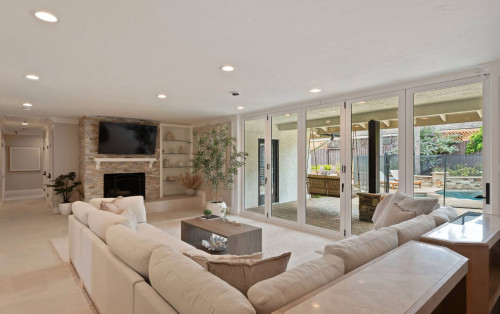
Pool
Air-Conditioned Rooms
Armchair or Sofa
Outdoor Space
TV

Activities

Swimming
Frequently Asked Questions

Further Research

The following therapies are included: narrative therapy, group therapy and more.
Santa Ana, California, United States.
Wellness Recovery Center provides intensive outpatient program, licensed primary mental health and more.

Explore More

Easily search by condition, location, and other programs tailored to meet your needs.