Find Treatment By
Rehabs by Location


Learn
About Us
Recovery.com combines independent research with expert guidance on addiction and mental health treatment. Our mission is to help everyone find the best path to recovery through the most comprehensive, helpful network of treatment providers worldwide.
Advisory Council
Our advisory council brings together leaders in behavioral health, technology, and business. Their diverse expertise ensures our resources and product are innovative, evidence-based, and effective. They guide our mission as accomplished individuals dedicated to improving the landscape of addiction recovery and mental wellness.




The Retreat at Orange County
The Retreat at Orange County
About The Retreat at Orange County
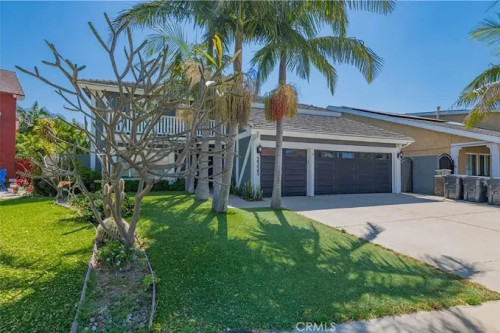
At The Retreat Orange County, recovery starts with a complete foundation for real healing rather than just getting through withdrawal. Specializing in substance use disorders and co-occurring mental health conditions, this center guides clients through medically supervised detox and structured residential treatment. With 24/7 medical care that keeps clients safe and a setup that fits their lives, they can relax and focus on getting better.
Heal the Root Cause of Addiction with a Personalized Wellness Plan
At The Retreat Orange County, recovery starts with a personal connection. Their team combines 24/7 medical supervision with a seamless mix of evidence-based therapies and ocean-inspired holistic practices like yoga, breathwork, and outdoor meditation. Instead of just managing addiction symptoms, they address trauma and integrate daily mindfulness, private coastal living, and custom wellness plans into each person’s experience. This individual-first model gives people the right balance of medical safety, emotional support, and dignity to heal.
Feel at Home While Rebuilding A Life
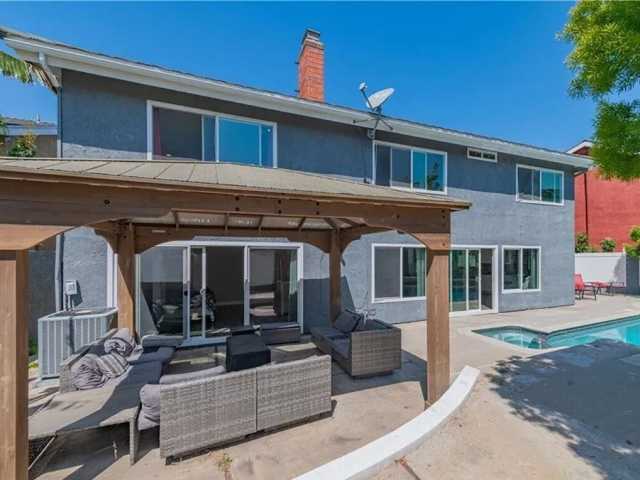
At The Retreat Orange County, clients get space to decompress in private or semi-private suites with comfortable queen beds. Between therapy sessions, people can lay by the pool, sink into the hot tub, or take a walk through the gardens to clear their head in the California sun. There’s a private gym right on site and fresh meals waiting at mealtime, so the whole setup gives people a place to slow down and relax.
Maintain Permanent Sobriety with Long-Term Guidance
Without ongoing support, returning home means facing old triggers and familiar environments alone. Aftercare at The Retreat at Orange County bridges this gap by acting as a continuous safety net for clients. Through ongoing check-ins and active alumni networks, former clients receive support whenever life becomes overwhelming. If extra help is ever needed, clients can easily reconnect with structured programs like PHP or IOP for additional care.
Highlights from the Center
Customized Treatment Plans
Private Rooms Available
Tech Friendly
Center Overview

Insurance Accepted




















Recovery.com Verified Listing
Recovery.com verified that the name, location, contact information and license to operate for this treatment provider are valid and up-to-date.
Joint Commission Accredited

Licensed by California
Recovery.com is an independent, third-party mental health resource. Verification does not imply endorsement and does not guarantee the quality of treatment services.
Meet Your Care Team
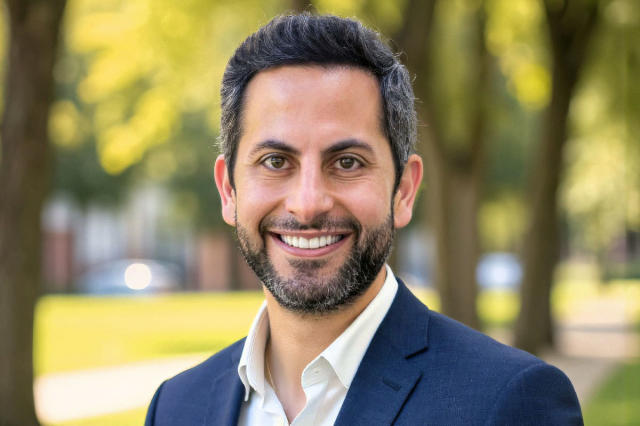
Eric Chaghouri
Medical Director
Double board-certified in Psychiatry and Addiction Medicine | California Medical License A123663
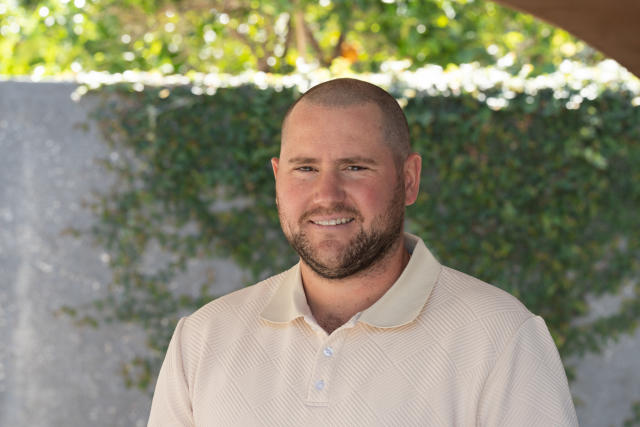
Kyle Holden
Admissions
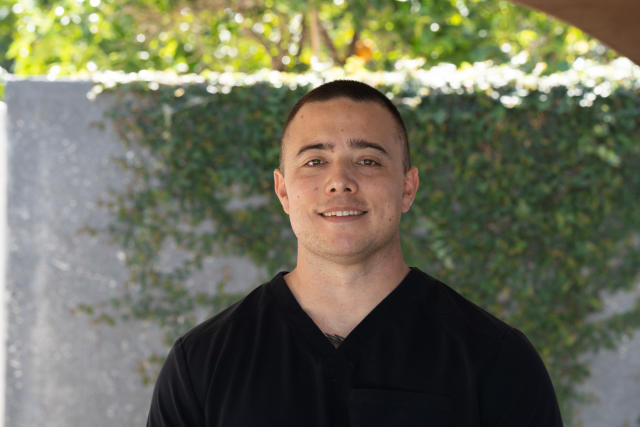
Connor Simmons
Nurse Director
RN #95430668
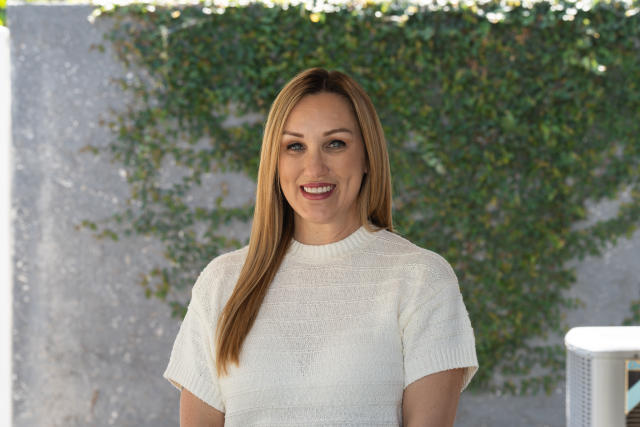
Tami Distefano
Program Director

Tiffany Arnesen
Drug and Alcohol Counselor II / Case Manager
CADC Lic# A053931124
Supportive Medication for Recovery
Medication-Assisted Treatment (MAT) is an evidence-based approach that pairs FDA-approved medications with counseling to treat addiction. The medications are used to reduce cravings, ease withdrawal symptoms, or block the effects of substances. More about MAT
Methadone

Naltrexone
Buprenorphine



Note: Treatment centers offer different forms of MAT—such as oral tablets, dissolvable films, or monthly injections—and their policies can vary based on state regulations, provider preferences, and insurance coverage. Because of these differences, it's best to contact the center directly to learn what options are available and what might be right for your situation.
Your Care Options
Specializations
Who We Treat
Treatment Services
Approaches
Therapies
Languages
Conditions We Treat
Substances We Treat
Care Designed for Your Needs
Personal Amenities
Amenities
Special Considerations
Activities
Off-Site Activities
Smoking and Vaping Policy
Learn More About the Center
Luxury Detox Amenities in SoCal
Discover how Southern California detox centers blend medical supervision with resort-style comfort.
Advantages of a Boutique Treatment Center
Transform the recovery experience by choosing a low-ratio boutique treatment model.
Maintain Professional Responsibilities
Balance career and recovery with executive-tailored treatment that protects professional reputation.
Signs Someone Needs Alcohol Detox
Learn whether the body has developed a reliance on alcohol and why attempting to quit can put one’s life at risk.