Find Treatment By
Rehabs by Location


Learn
About Us
Recovery.com combines independent research with expert guidance on addiction and mental health treatment. Our mission is to help everyone find the best path to recovery through the most comprehensive, helpful network of treatment providers worldwide.
Advisory Council
Our advisory council brings together leaders in behavioral health, technology, and business. Their diverse expertise ensures our resources and product are innovative, evidence-based, and effective. They guide our mission as accomplished individuals dedicated to improving the landscape of addiction recovery and mental wellness.


The Ranch at The Raleigh House
The Ranch at The Raleigh House
The Ranch at The Raleigh House
About The Ranch at The Raleigh House
The Ranch treats both primary substance use disorders and primary mental health conditions, with the capability to handle more acute and complex presentations like bipolar disorder and PTSD alongside depression, generalized anxiety disorder, and trauma, so clients don't need an SUD diagnosis to be a fit. Care spans detox and stabilization, 30/60/90-day residential treatment, and a partial hospitalization program with ranch-like housing. Set on wide-open land, The Ranch offers an immersive retreat experience that balances nature with structure and enough room to breathe.
Treat the Wound, Not Just the Symptoms
At The Ranch, treatment starts with a question: Why? Substance use and mental health disorders are often a coping response to something deeper, frequently rooted in trauma and early childhood attachment wounds. That's why their approach leans heavily on understanding and processing the root causes of those wounds. Through inner-child work, schema work, and EMDR, they identify why a client is suffering. Rather than treating addiction or mental health issues as something to be ashamed of, the focus stays on the underlying pain.
Slow Down on 40 Acres of Colorado Prairie
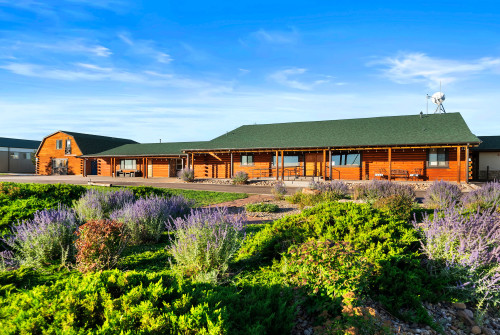
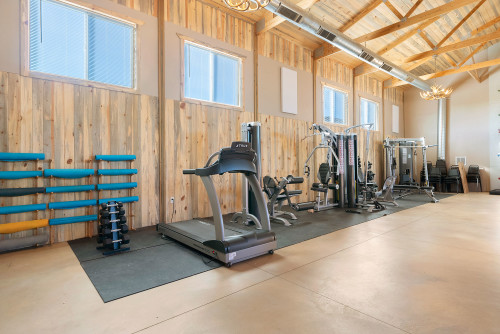
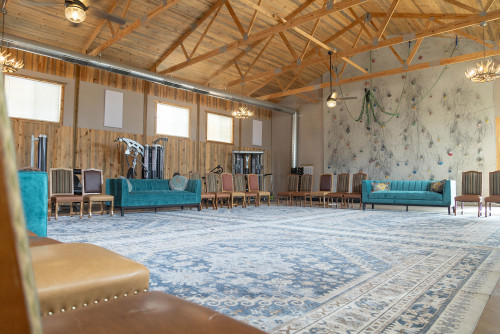
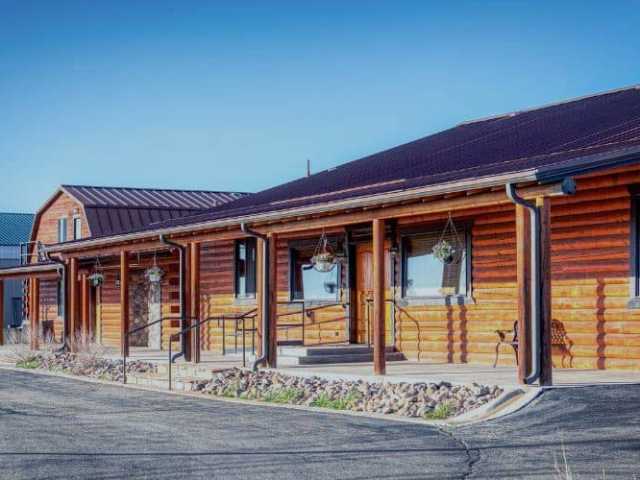
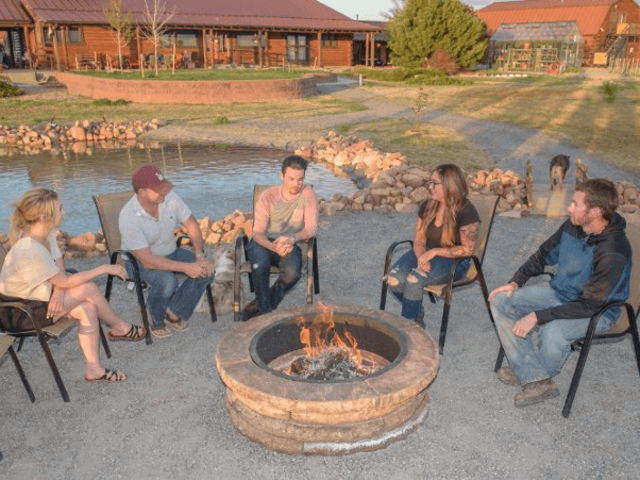
The Ranch sits on 40 acres of open land, with a lodge-style residential building featuring warm wood finishes, a communal dining area with on-site chefs, and comfortable rooms designed for real rest. Outside, clients find horses under wide-open skies with space to breathe. A fully equipped gym and yoga classes keep the body moving, while porches, open-air gathering spots, and even a casual game of checkers give people room to be together.
Swap Old Routine for a New Community
Aftercare at The Ranch includes structured partial hospitalization programming on site or intensive outpatient care at The Raleigh House in Denver Tech Center. Weekly alumni meetings keep people connected after treatment ends. Sober Saturday brings 50 to 60 people together for BBQs, bowling, or other activities. There's also a big 12-step group that meets Friday nights. These different gatherings share a common purpose: showing up for each other, building community, and practicing healthy connections.

Highlights from the Center
Equine Therapy
Nature Lovers
Co-Occurring Disorders Treatment
Concierge Approach
Wellness Emphasis
Center Overview
Insurance Accepted










Cash Pay Rates


Recovery.com Verified Listing
Recovery.com verified that the name, location, contact information and license to operate for this treatment provider are valid and up-to-date.
Joint Commission Accredited

Licensed by Colorado
Recovery.com is an independent, third-party mental health resource. Verification does not imply endorsement and does not guarantee the quality of treatment services.
Supportive Medication for Recovery
Medication-Assisted Treatment (MAT) is an evidence-based approach that pairs FDA-approved medications with counseling to treat addiction. The medications are used to reduce cravings, ease withdrawal symptoms, or block the effects of substances. More about MAT
Methadone

Naltrexone
Buprenorphine



This center prescribes medications for opioid use disorder and also accepts patients receiving MAT prescribed elsewhere.
Note: Treatment centers offer different forms of MAT—such as oral tablets, dissolvable films, or monthly injections—and their policies can vary based on state regulations, provider preferences, and insurance coverage. Because of these differences, it's best to contact the center directly to learn what options are available and what might be right for your situation.
Your Care Options
Specializations
Who We Treat
Treatment Services
Approaches
Therapies
Languages
Conditions We Treat
Substances We Treat
Aftercare
Care Designed for Your Needs
Personal Amenities
Amenities
Special Considerations
Activities
Smoking and Vaping Policy
Learn More About the Center
Inpatient vs. Outpatient
Compare the differences between inpatient and outpatient rehab.
What Someone’s Feelings Are Telling Them
Recognize the difference between burnout, depression, and crisis.
How to Spot a High-Functioning Alcoholic
Discover why the real warning sign of alcoholism isn’t a life falling apart, but the loss of control behind a life that still looks fine.
Supporting a Partner During Treatment
Navigate the relief and worry of watching a partner start treatment, and learn the steps that help both people heal.