Find Treatment By
Rehabs by Location


Find Treatment By
Learn
About Us
Recovery.com combines independent research with expert guidance on addiction and mental health treatment. Our mission is to help everyone find the best path to recovery through the most comprehensive, helpful network of treatment providers worldwide.
Advisory Council
Our advisory council brings together leaders in behavioral health, technology, and business. Their diverse expertise ensures our resources and product are innovative, evidence-based, and effective. They guide our mission as accomplished individuals dedicated to improving the landscape of addiction recovery and mental wellness.



Shoreline Eating Disorder Treatment
Treatment Focus
At this center, you receive personalized care for mental health conditions. They provide therapy and tailor treatment to your unique needs, diagnoses, and preferences.
Primary Level of Care
Offering intensive care with 24/7 monitoring, residential treatment is typically 30 days and can cover multiple levels of care. Length can range from 14 to 90 days typically.
This provider hasn't verified their profile's information. Are you the owner of this center? Claim your listing to better manage your presence on Recovery.com.
Treatment Focus
At this center, you receive personalized care for mental health conditions. They provide therapy and tailor treatment to your unique needs, diagnoses, and preferences.
Primary Level of Care
Offering intensive care with 24/7 monitoring, residential treatment is typically 30 days and can cover multiple levels of care. Length can range from 14 to 90 days typically.
Provider's Policy
We do our best to alleviate any worries or stress about the insurance and admissions process. Our Admissions Team works with each client and their insurance company to verify their benefits.
Shoreline Eating Disorder Treatment
Shoreline Eating Disorder Treatment
About Shoreline Eating Disorder Treatment
Established in 1995, Shorelines has helped thousands of individuals break the cycle of disordered eating through compassionate, evidence-based care. All genders ages 13 and older are welcome to the Shoreline program. They offer different levels of care depending on the clients' needs, such as residential treatment, day treatment/Day Treatments (PHPs), and intensive outpatient programs (IOPs).
Unique Body Positive Program
Shoreline treats anorexia nervosa, bulimia, binge eating, OSFED, and ARIFD utilizing a number of techniques. Their Body Positive certified program is a key component to their success. This style of care includes registered dietitians who lead groups that focus on body image issues while also giving the tools needed to create a positive relationship within one’s body again.
A Group Therapy Focus
Shoreline also conducts group therapy sessions that can include journaling, role-playing, relaxation techniques, and cooking classes. Groups are meant to help those control actions, feelings, and thoughts while gaining knowledge and useful coping strategies.
Vibrant California Homes
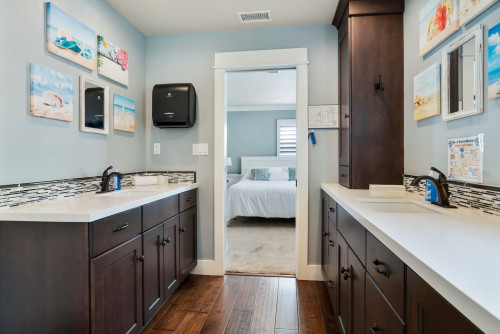
California's Orange County is home to three exquisite homes owned by Shoreline Centers for Eating Disorders. Each residence provides a lively small-group setting with people who have similar interests. The luxurious residences are completely furnished with elegant design accents. With roomy living spaces and inviting outside patios, each home is built with the comfort of its residents in mind.

Center Overview
Treatment Focus
At this center, you receive personalized care for mental health conditions. They provide therapy and tailor treatment to your unique needs, diagnoses, and preferences.
CARF Accredited
CARF stands for the Commission on Accreditation of Rehabilitation Facilities. It's an independent, non-profit organization that provides accreditation services for a variety of healthcare services. To be accredited means that the program meets their standards for quality, effectiveness, and person-centered care.
Insurance Accepted






Cash Pay Rates
Estimated Cash Pay Rate
Center pricing can vary based on program and length of stay. Contact the center for more information. Recovery.com strives for price transparency so you can make an informed decision.
Meet Your Care Team
Stacy Korfist
Clinical Director
LMFT, CEDS-S

Nnenna Abaeze
Director of Health services and Nurse Practitioner
DNP, RN, FNP-C, PHN
Marissa Kent
Dietetic Clinical Supervisor
MS, RDN, CDCES
Albert Barajas
Primary Therapist
MSW, PPSC, ASW
Levels of Care


Your Care Options
Specializations
Eating Disorders
An eating disorder is a long-term pattern of unhealthy behavior relating to food. Most people with eating disorders have a distorted self-image.
Who We Treat
Adolescents
Teens receive the treatment they need for mental health disorders and addiction, with the added support of educational and vocational services.
LGBTQ+
Addiction and mental illnesses in the LGBTQ+ community must be treated with an affirming, safe, and relevant approach, which many centers provide.
Men and Women
Men and women attend treatment for addiction in a co-ed setting, going to therapy groups together to share experiences, struggles, and successes.
Approaches
Evidence-Based
A combination of scientifically rooted therapies and treatments make up evidence-based care, defined by their measured and proven results.
Individual Treatment
Individual care meets the needs of each patient, using personalized treatment to provide them the most relevant care and greatest chance of success.
Non 12 Step
Non-12-Step philosophies veer from the spiritual focus of the 12-Steps and instead treat the disease of addiction with holistic or secular modalities.
Therapies
1-on-1 Counseling
Patient and therapist meet 1-on-1 to work through difficult emotions and behavioral challenges in a personal, private setting.
Acceptance and Commitment Therapy (ACT)
This cognitive behavioral therapy teaches patients to accept challenging feelings and make the appropriate changes to reach personal goals.
Body Image Therapy
Therapists use cognitive behavior techniques to challenge how patients perceive their body and their worth, rewriting negative thoughts and attitudes.
Cognitive Behavioral Therapy
Cognitive Behavioral Therapy helps people identify and change unhelpful thought patterns and behaviors that contribute to emotional distress.
Dialectical Behavior Therapy
Dialectical Behavior Therapy teaches skills for managing emotions, improving relationships, tolerating distress, and increasing mindfulness.
Expressive Arts
Creative processes like art, writing, or dance use inner creative desires to help boost confidence, emotional growth, and initiate change.
Family Therapy
Family therapy addresses group dynamics within a family system, with a focus on improving communication and interrupting unhealthy relationship patterns.
Group Therapy
Group therapy brings people together in a supportive setting to share experiences, develop skills, and work toward common goals.
Life Skills
Teaching life skills like cooking, cleaning, clear communication, and even basic math provides a strong foundation for continued recovery.
Languages
Conditions We Treat
Eating Disorders
An eating disorder is a long-term pattern of unhealthy behavior relating to food. Most people with eating disorders have a distorted self-image.