Revivocare Europe
Verified Center
This provider's information has been quality-checked by Recovery.com's Research Team for accuracy and completeness, including center verification through appropriate third-party organizations.
Treatment Focus
This center treats substance use disorders and co-occurring mental health conditions. Your treatment plan addresses each condition at once with personalized, compassionate care for comprehensive healing.
Primary Level of Care
Offering intensive care with 24/7 monitoring, residential treatment is typically 30 days and can cover multiple levels of care. Length can range from 14 to 90 days typically.
Treatment Focus
This center treats substance use disorders and co-occurring mental health conditions. Your treatment plan addresses each condition at once with personalized, compassionate care for comprehensive healing.
Primary Level of Care
Offering intensive care with 24/7 monitoring, residential treatment is typically 30 days and can cover multiple levels of care. Length can range from 14 to 90 days typically.
Private Pay
You pay directly for treatment out of pocket. This approach can offer enhanced privacy and flexibility, without involving insurance. Exact costs vary based on program and length of stay. Contact the center for specific details.
About Revivocare Europe
Revivocare Europe effectively addresses substance use, executive burnout, and mood disorders by operating a dedicated clinical entry point. Based in Belgium, this professional office provides vital pre-treatment screening, detailed assessment, and structured family support. This local team establishes a seamless pathway to their primary residential facility in Cape Town, South Africa, where a professional multidisciplinary team coordinates private care.
Take a Personalised Journey of Rediscovery
This clinical methodology avoids rigid labels, focusing on restoring personal autonomy, internal structure, and emotional regulation. Practitioners combine medical oversight with modalities tailored specifically to individual needs. This ensures daily routines remain supportive rather than overwhelming, establishing a stable foundation. Treatment rhythms may include:
- Trauma-informed individual therapy and peer group engagement
- Somatic and body-based regulation practices
- Mindfulness and emotional regulation practices
- Cognitive Behavioural Therapy (CBT)
- Psychoeducation and recovery-focused learning
- Ongoing clinical evaluation to ensure care remains supportive and adaptive
Transition to Private Residential Care
To facilitate an easy transition, the European team organises essential travel coordination and logistical arrangements directly to the primary facility. Upon arrival at the South African estate, clients stay in private suites complete with private en-suite bathrooms. The property features expansive indoor wellness spaces, cultivated gardens, an outdoor pool, and chef-prepared meals designed to provide daily nutritional backing and physical recovery.
Plan for Healthy Reintegration
Sustainable recovery relies on a practical plan for continuity of care, which takes shape early during primary residential treatment. Once the residential phase concludes, the Belgium office provides a structured family support programme to aid long-term stabilization. This ongoing European aftercare track incorporates individual family consultations, recovery-focused sessions, and boundary-setting guidance to help clients safely navigate stressful daily life pressures.
Highlights from the Center
Highlights
These highlights are provided by and paid for by the center.
Therapeutic Location
Pool
Licensed for Both Addiction & Mental Health
Private Rooms Only
Addiction Recovery
Center Overview
Treatment Focus
This center treats substance use disorders and co-occurring mental health conditions. Your treatment plan addresses each condition at once with personalized, compassionate care for comprehensive healing.
Pricing and Program Length
Estimated Center Costs
The cost listed here (€12,500 – €14,500 / £10,805 – £12,535), is an estimate of program cost. Center price can vary based on program and length of stay. Contact the center for more information. Recovery.com strives for price transparency so you can make an informed decision.
Meet Your Care Team

Mike Beijeman
Founder & Chief Executive Officer

Ingeborg Maes
Managing Partner
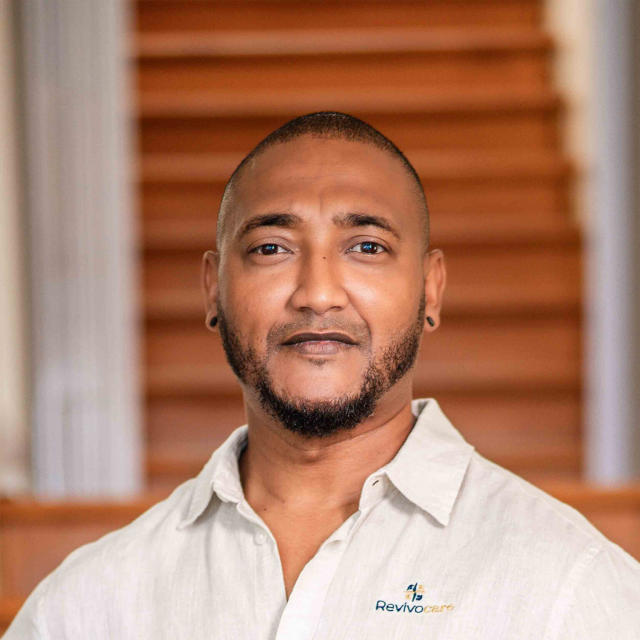
Dale Barrows
Clinical Manager

Shantel Gall
Case Manager
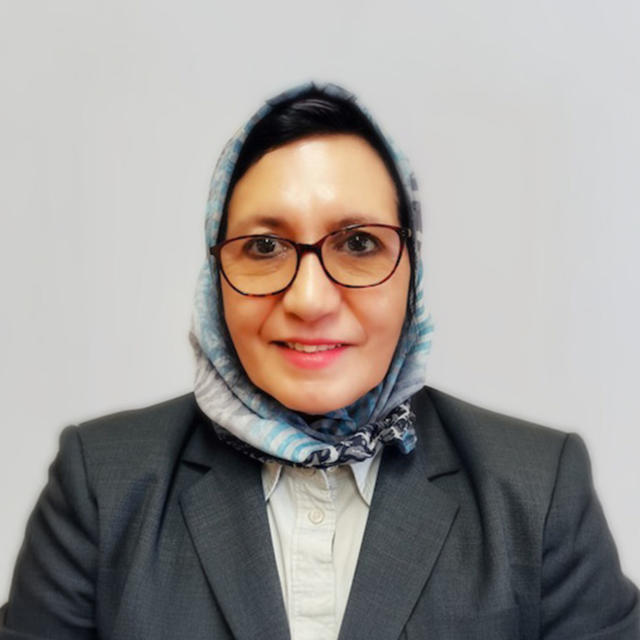
Dr. Maryam Navsa
Medical Doctor

Sondré Adams
Mental Health Specialist
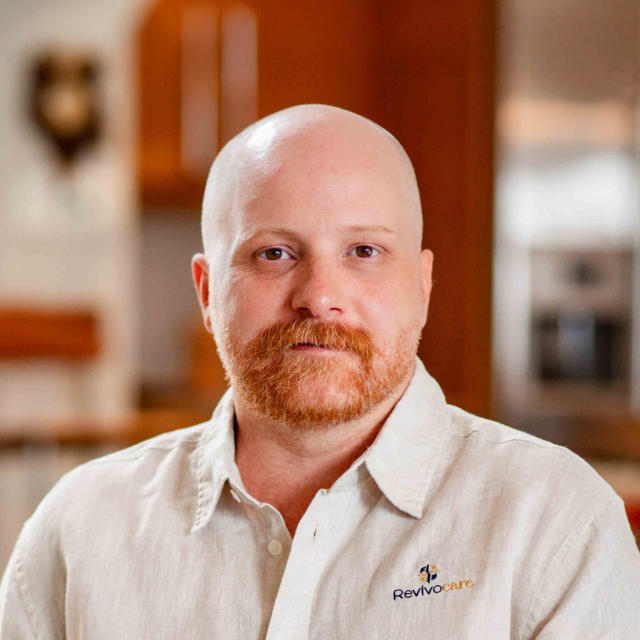
Cheyne Beaton‑Reeves
Addiction Counsellor
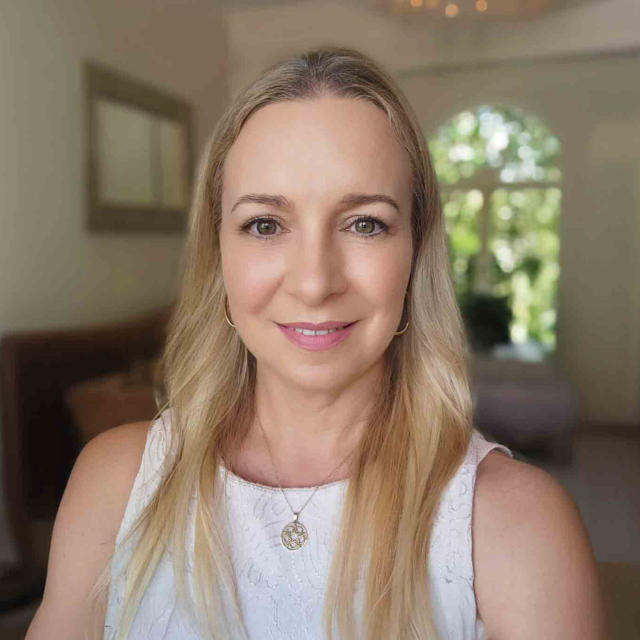
Sanet Kirstein Lattimer
Lead Holistic Practitioner

Yusra Roberts
Sound Healing Practitioner
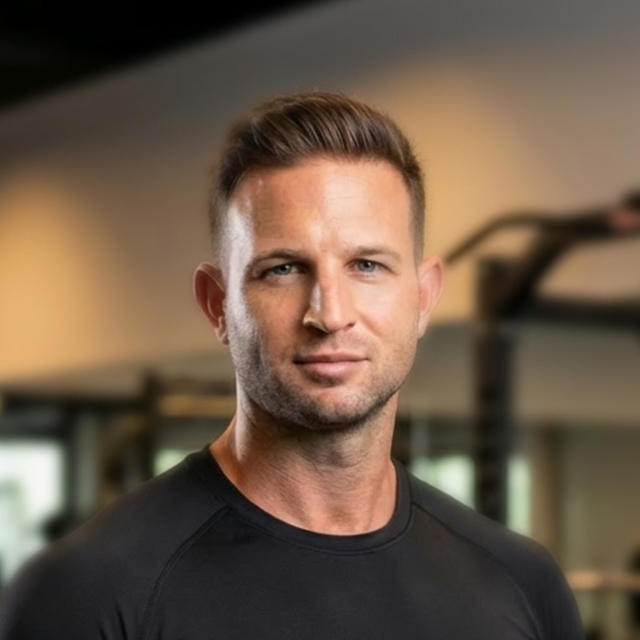
Jayson Jeffcote
Personal Trainer

Amy Moyce
Massage Therapist

Taariq Jakoet
Culinary Chef

Stacey-Lea Mehl
Culinary Professional

Dirk Audenaert
Certified Family Counselor




Levels of Care
Your Care Options
Specializations
Alcohol
Using alcohol as a coping mechanism, or drinking excessively throughout the week, signals an alcohol use disorder.
Anxiety
Anxiety is a common mental health condition that can include excessive worry, panic attacks, physical tension, and increased blood pressure.
Burnout
Burnout entails mental and physical exhaustion, and leads to a severe lack of fulfillment. This condition is often caused by overwork.
Depression
Symptoms of depression may include fatigue, a sense of numbness, and loss of interest in activities. This condition can range from mild to severe.
Professionals
Busy, high-ranking professionals get the personalized treatment they need with greater accommodations for work, privacy, and outside communication.
Post Traumatic Stress Disorder
PTSD is a long-term mental health issue caused by a disturbing event or events. Symptoms include anxiety, dissociation, flashbacks, and intrusive thoughts.
Trauma
Some traumatic events are so disturbing that they cause long-term mental health problems. Those ongoing issues can also be referred to as "trauma."
Ketamine
Ketamine is a dissociative drug used medically for anesthesia and some mental health conditions. Misuse can affect memory, perception, and physical health.
Who We Treat
Executives
Executive treatment programs typically directly support the needs of people who manage businesses and may provide flexible schedules and office space to allow work during treatment.
Men and Women
Men and women attend treatment for addiction in a co-ed setting, going to therapy groups together to share experiences, struggles, and successes.
Professionals
Busy, high-ranking professionals get the personalized treatment they need with greater accommodations for work, privacy, and outside communication.
Approaches
Evidence-Based
A combination of scientifically rooted therapies and treatments make up evidence-based care, defined by their measured and proven results.
Personalized Treatment
The specific needs, histories, and conditions of individual patients receive personalized, highly relevant care throughout their recovery journey.
Therapies
1-on-1 Counseling
Patient and therapist meet 1-on-1 to work through difficult emotions and behavioral challenges in a personal, private setting.
Acceptance and Commitment Therapy (ACT)
This cognitive behavioral therapy teaches patients to accept challenging feelings and make the appropriate changes to reach personal goals.
Cognitive Behavioral Therapy
Cognitive Behavioral Therapy helps people identify and change unhelpful thought patterns and behaviors that contribute to emotional distress.
Dialectical Behavior Therapy
Dialectical Behavior Therapy teaches skills for managing emotions, improving relationships, tolerating distress, and increasing mindfulness.
Eye Movement Therapy (EMDR)
Lateral, guided eye movements help reduce the emotional reactions of retelling and reprocessing trauma, allowing intense feelings to dissipate.
Family Therapy
Family therapy addresses group dynamics within a family system, with a focus on improving communication and interrupting unhealthy relationship patterns.
Group Therapy
Group therapy brings people together in a supportive setting to share experiences, develop skills, and work toward common goals.
Life Skills
Teaching life skills like cooking, cleaning, clear communication, and even basic math provides a strong foundation for continued recovery.
Meditation & Mindfulness
A practiced state of mind that brings patients to the present. It allows them to become fully aware of themselves, their feelings, and the present moment.
Languages
Conditions We Treat
Anxiety
Anxiety is a common mental health condition that can include excessive worry, panic attacks, physical tension, and increased blood pressure.
Burnout
Burnout entails mental and physical exhaustion, and leads to a severe lack of fulfillment. This condition is often caused by overwork.
Depression
Symptoms of depression may include fatigue, a sense of numbness, and loss of interest in activities. This condition can range from mild to severe.
Post Traumatic Stress Disorder
PTSD is a long-term mental health issue caused by a disturbing event or events. Symptoms include anxiety, dissociation, flashbacks, and intrusive thoughts.
Stress
Stress is a natural reaction to challenges, and it can even help you adapt. However, chronic stress can cause physical and mental health issues.
Trauma
Some traumatic events are so disturbing that they cause long-term mental health problems. Those ongoing issues can also be referred to as "trauma."
Substances We Treat
Alcohol
Using alcohol as a coping mechanism, or drinking excessively throughout the week, signals an alcohol use disorder.
Co-Occurring Disorders
A person with multiple mental health diagnoses, such as addiction and depression, has co-occurring disorders also called dual diagnosis.
Drug Addiction
Drug addiction is the excessive and repetitive use of substances, despite harmful consequences to a person's life, health, and relationships.
Prescription Drugs
It's possible to develop an addiction to any drug, even prescribed ones. If you crave a medication, or regularly take it more than directed, you may have an addiction.
Aftercare
Care Designed for Your Needs
Special Considerations
Executive Program
Addiction and mental health treatment for executives typically involves high discretion, greater technology access, and more private, 1-on-1 care.