Find Treatment By
Rehabs by Location


Learn
About Us
Recovery.com combines independent research with expert guidance on addiction and mental health treatment. Our mission is to help everyone find the best path to recovery through the most comprehensive, helpful network of treatment providers worldwide.
Advisory Council
Our advisory council brings together leaders in behavioral health, technology, and business. Their diverse expertise ensures our resources and product are innovative, evidence-based, and effective. They guide our mission as accomplished individuals dedicated to improving the landscape of addiction recovery and mental wellness.

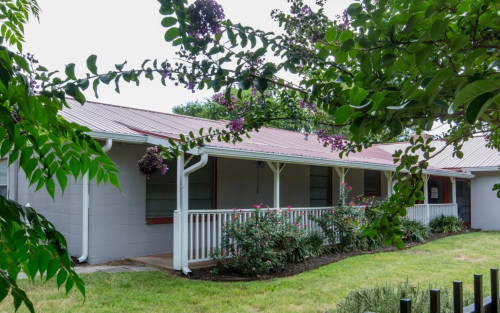


Recovery Unplugged Austin - FM 969
Recovery Unplugged Austin - FM 969
Recovery Unplugged Austin - FM 969
About Recovery Unplugged Austin - FM 969
Recovery Unplugged treats addiction and co-occurring mental health conditions using a unique music therapy program that helps clients articulate their emotions and overcome psychological obstacles. All levels of musicians or non musicians are welcome, and no prior music training is needed. The Recovery Unplugged staff is composed of addiction care professionals and professional songwriters and musicians. Clients will learn to express themselves through writing songs and music performance. The residential program lasts a minimum of 30 days and offers medical detox if needed. Recovery Unplugged uses therapeutic modalities including daily group therapy, individual therapy, addiction education, 12-Step philosophy, coping skills, and relapse prevention. Family therapy is arranged on an individual basis, though loved ones are also encouraged to participate.
Recovery Unplugged has a variety of locations. This program is located in the heart of Austin, Texas. Clients will enjoy up-scale accommodations with fully equipped music rooms for writing and performing. On site, Recovery Unplugged Austin has an outdoor lounge and recreation room. Food is prepared to meet nutritional needs and dietary requirements of the individual. Occasionally, meals are catered by restaurants or eaten off-site on some special occasions. Recovery Unplugged offers an overall robust program with unique music therapies.
Center Overview
Supportive Medication for Recovery
Medication-Assisted Treatment (MAT) is an evidence-based approach that pairs FDA-approved medications with counseling to treat addiction. The medications are used to reduce cravings, ease withdrawal symptoms, or block the effects of substances. More about MAT
This center offers MAT, but does not list specific medications for treatment. Contact the center for details for specific MAT medications.
Note: Treatment centers offer different forms of MAT—such as oral tablets, dissolvable films, or monthly injections—and their policies can vary based on state regulations, provider preferences, and insurance coverage. Because of these differences, it's best to contact the center directly to learn what options are available and what might be right for your situation.
Insurance Accepted








Cash Pay Rates
Levels of Care

