All CentersRecovery Institute of New Hampshire

Recovery Institute of New Hampshire

Substance Use and Mental Health
Residential
Unclaimed
Insurance

Focused on treating addiction and co-occurring mental health conditions, Recovery Institute of New Hampshire is a residential treatment center offering medical detox, day treatment, intensive outpatient care (IOP), and outpatient services. They treat alcohol, opioid, stimulant, benzodiazepine, and cannabis addiction alongside anxiety, depression, and trauma. Their programs combine medical care, therapy, and ongoing recovery support. Located near downtown Manchester and I-293, they also provide sober living residences and medication-assisted treatment (MAT).

Their admissions line is available 24 hours a day, seven days a week, offering confidential guidance whenever support is needed.

Manage Symptoms and Prevent Relapse

Their treatment approach includes cognitive behavioral therapy (CBT), dialectical behavior therapy (DBT), contingency management, and individual and group counseling to build coping skills and prevent relapse. They also provide psychiatric care, medication management, and MAT using buprenorphine, naltrexone, and acamprosate when appropriate. Through clinical assessments and ongoing medical monitoring, their team helps guide treatment decisions. Family counseling, education, and structured visitation further strengthen support during recovery.

Rebuild Independence with Lasting Support

Beyond treatment, they provide private and semi-private rooms, outdoor spaces, gym time, and peer recovery meetings. Their sober living residences offer house meetings, shared responsibilities, and substance-free housing during the transition to greater independence. They also provide written aftercare plans, recovery coaching for the first year, weekly alumni meetings, and sober community events. Their mission emphasizes dignity, continued care, and lasting recovery close to home.

AT A GLANCE

Center Overview

Location
140 Queen City Ave, Manchester, NH 03103 View Map
Primary Focus
This center treats substance use disorders and mental health conditions....
Conditions We Treat
Anxiety, Depression, Stress, Trauma
Substance Use We Treat
Alcohol, Benzodiazepines, Co-Occurring Disorders, Drug Addiction +4 More
Recovery Institute of New Hampshire logo
rionh.com
Are you the owner of this center? Claim it
MEDICATION ASSISTED TREATMENT

Supportive Medication for Recovery

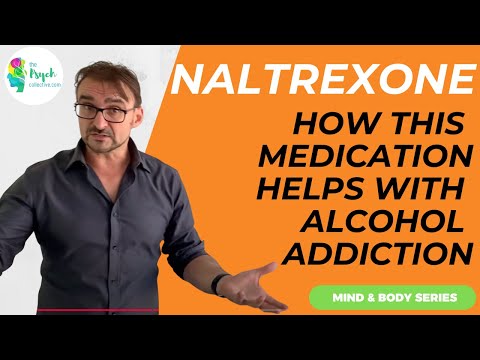
Medication-Assisted Treatment (MAT) is an evidence-based approach that pairs FDA-approved medications with counseling to treat addiction. The medications are used to reduce cravings, ease withdrawal symptoms, or block the effects of substances. More about MAT

Methadone

(Dolophine®, Methadose®)
Reduces opioid cravings
Not Available

Naltrexone

(Vivitrol®, Revia®)
Blocks opioid effects
Available

Buprenorphine

(Suboxone®, Subutex®, Sublocade®, Zubsolv®)
Eases opioid withdrawal
Available

Note: Treatment centers offer different forms of MAT—such as oral tablets, dissolvable films, or monthly injections—and their policies can vary based on state regulations, provider preferences, and insurance coverage. Because of these differences, it's best to contact the center directly to learn what options are available and what might be right for your situation.

How to pay

Insurance Accepted

Provider's Policy: Recovery Institute of New Hampshire accepts most major commercial insurance plans, including Aetna, Cigna, Anthem BCBS, United Healthcare, Harvard Pilgrim, and Tufts. Self-pay is available. NH Medicaid is not in-network. Call to verify coverage and begin care.
(888) 301-2063
Private Pay Option

Cash Pay Rates

We don't have pricing information for this center. Please contact the center for more information.
Care Options

Levels of Care

Substance use and mental health issues can occur simultaneously or as primary conditions. Effective treatment explores how mental health conditions contribute to addiction, and vice-versa. Many rehabs treat substance use disorders and mental health conditions with personalized care plans.
Included
Detox
Typically the initial stage of treatment for substance use, focusing on medically supervised management of withdrawal symptoms.
Included
Residential
Residential programs for substance use and mental health with structured care and 24/7 monitoring. Treatment takes place on-site, with behavioral health professionals often providing care in group, individual, and family settings.
Not included
Sober Living
Not Offered at This Center
Transitional housing designed to support individuals recovering from substance use disorders offering a safe, supportive and structured environment for practicing long-term sobriety, while reintegrating back into daily living.
Included
Recovery Coaching
Recovery coaching is a type of support service designed to help individuals maintain their recovery goals, provide guidance and support, and connect them with resources and community-based services.
Included
Day Treatment
In a PHP, patients live at home but follow an intensive schedule of treatment. Most programs require you to be on-site for about 40 hours per week.
Included
Intensive Outpatient Program
An intensive outpatient program (IOP) falls between inpatient care and traditional outpatient services, with therapy and skills-building activities designed to support recovery and provide flexibility. IOP is ideal for those needing support but not the 24/7 care of a residential facility.
Included
Outpatient
Outpatient treatment offers flexible therapeutic and medical care without the need to stay overnight in a hospital or inpatient facility. Outpatient care typically offers a range of therapies and medical interventions individuals can attend alongside daily life.
Not included
Virtual Care
Not Offered at This Center
Therapy and treatment delivered online through video sessions, messaging, or phone calls, so you can get care from anywhere, on a schedule that works for you.
Not included
In-Home Care
Not Offered at This Center
Clinicians come to you, providing treatment and support in the privacy and comfort of your own home.
Included
Co-Occurring Disorders
Substance use and mental health can occur simultaneously as co-occurring disorders. Treatment for co-occurring disorders involves therapy and other personalized interventions to address both conditions.
Treatment

Your Care Options

Specializations

Alcohol
Depression
Drug Addiction
Opioids

Who We Treat

Men
Women
Men and Women

Approaches

Evidence-Based
Medical

Therapies

1-on-1 Counseling
Cognitive Behavioral Therapy
Dialectical Behavior Therapy
Didactic Group Therapy
Family Therapy
Group Therapy
Introduction to the 12 Step Program
Medication-Assisted Treatment
Psychoeducation

Languages

English

Conditions We Treat

Anxiety
Depression
Stress
Trauma

Substances We Treat

Alcohol
Benzodiazepines
Co-Occurring Disorders
Drug Addiction
Fentanyl
Marijuana
Opioids
Prescription Drugs

Aftercare

Drug Screening
Support Meetings
Relapse Prevention Planning
Ability to Call a Counselor
Alumni Events & Get-Togethers
Follow-up Sessions (in-person)
Outpatient Treatment
Mentoring and Peer support
Experience

Care Designed for Your Needs

Special Considerations

Family Program
Transition Program
Same-Day Admission

We love hearing about your treatment experience

Frequently Asked Questions

Further Research

The following therapies are included: stress management, group therapy and more.
Manchester, New Hampshire, United States.
Recovery Institute of New Hampshire accepts most major commercial insurance plans, including Aetna, Cigna, Anthem BCBS, United Healthcare, Harvard Pilgrim, and Tufts. Self-pay is available. NH Medicaid is not in-network. Call to verify coverage and begin care.
Yes, they offer detox.
Recovery Institute of New Hampshire provides day treatment, recovery coaching and more.

Explore More

Easily search by condition, location, and other programs tailored to meet your needs.

Specializations