All CentersPurple Recovery Center for Men

Purple Recovery Center for Men

Verified Center

This provider's information has been quality-checked by Recovery.com's Research Team for accuracy and completeness, including center verification through appropriate third-party organizations.

Substance Use

Treatment Focus

This center treats substance use disorders and co-occurring mental health conditions. Your treatment plan addresses each condition at once with personalized, compassionate care for comprehensive healing.

Residential

Primary Level of Care

Offering intensive care with 24/7 monitoring, residential treatment is typically 30 days and can cover multiple levels of care. Length can range from 14 to 90 days typically.

4.9
(139)
Insurance

Provider's Policy

Purple Recovery Center for Men accepts most major private insurance carriers to help cover the cost of treatment.

Healing takes more than sobriety alone—it takes action, connection, and purpose. At Purple Recovery Center for Men, substance use treatment helps men rebuild their lives by strengthening confidence, accountability, and direction for the future. Whether seeking detox placement, residential care, or outpatient programming, clients receive individualized support within a brotherhood-driven environment that encourages growth, resilience, and ongoing recovery.

Create A More Grounded Way Forward

Purple Recovery Center for Men uses individual, family, and group therapies while embracing the 12-Step approach. These therapies help men build stronger relationships, gain insights into their addiction, and develop healthy coping skills, leading to lasting recovery and personal growth. By addressing both substance use and underlying trauma, Purple helps men move beyond surviving addiction and toward building fulfilling, self-directed lives.

Strengthen Recovery Through Shared Experiences

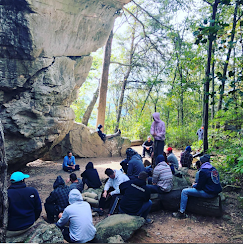
Residential treatment at Purple combines structure, flexibility, and connection to support the physical, emotional, mental, and spiritual well-being of every man. Clients receive individualized care from a dedicated team while building healthy routines through therapy, shared meals, physical activity, and meaningful group experiences that strengthen accountability and brotherhood. Outpatient programming offers continued support through flexible yet intentional care designed to keep recovery active, engaging, and sustainable in daily life.

Develop Lasting Relationships in Recovery

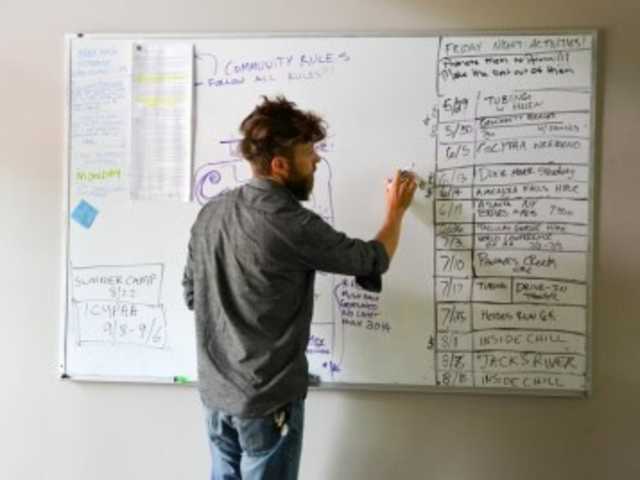
Purple strengthens long-term recovery through a structured aftercare and alumni program that keeps men connected, accountable, and supported long after treatment ends. Every program graduate maintains access to therapy, family support, recovery guidance, and life skills development, creating a stronger foundation for independent living and sustained sobriety. Beyond clinical care, an active alumni community reinforces brotherhood through mentorship, recovery meetings, outdoor activities, service opportunities, and peer connection, helping men build purpose, stability, and lasting relationships in recovery.

AT A GLANCE

Center Overview

Location
1958 Cruse Rd, Lawrenceville, GA 30044 View Map
Primary Focus
This center treats substance use disorders and co-occurring mental healt...

Treatment Focus

This center treats substance use disorders and co-occurring mental health conditions. Your treatment plan addresses each condition at once with personalized, compassionate care for comprehensive healing.

Accreditation
Joint Commission

Joint Commission Accredited

The Joint Commission accreditation is a voluntary, objective process that evaluates and accredits healthcare organizations (like treatment centers) based on performance standards designed to improve quality and safety for patients. To be accredited means the treatment center has been found to meet the Commission's standards for quality and safety in patient care.

Typical Program Length
30 days+
Founded in 2003
23 years in business
Occupancy
16-30 beds
Conditions We Treat
ADHD, ADD, Anger, Anxiety, Bipolar +19 More
Substance Use We Treat
Alcohol, Benzodiazepines, Chronic Relapse, Co-Occurring Disorders +11 More
How to pay

Insurance Accepted

BlueCross BlueShield
United Healthcare
Aetna
Cigna
Tricare
Optum
Provider's Policy: Purple Recovery Center for Men accepts most major private insurance carriers to help cover the cost of treatment.
Verify Insurance
Private Pay Option

Cash Pay Rates

Estimated Cash Pay Rate

Center pricing can vary based on program and length of stay. Contact the center for more information. Recovery.com strives for price transparency so you can make an informed decision.

If you are not using insurance, the pricing listed below is an estimate of the cash pay rate.
30 Days
$15,000
(678) 509-8073
Begin Recovery With Trusted Support
For men beginning recovery with detox, Purple quickly coordinates placement with trusted programs that provide 24/7 care alongside the same compassionate, individualized approach reflected in their own treatment philosophy. After detox, Purple helps clients maintain momentum with a transition into residential or outpatient care, ensuring continued support and structure from the very beginning.
Create Stronger Family Foundations for Healing
Addiction can fracture trust and connection throughout the entire family system. Purple Recovery Center’s family therapy programs help rebuild those relationships through education, accountability, and guided support. By involving loved ones throughout the recovery process, families gain healthier communication tools, stronger boundaries, and a deeper understanding of addiction—creating a more supportive foundation for long-term healing.
Integrated Care for Dual Diagnosis
At Purple Recovery Center, treatment for co-occurring disorders is individualized and immersive. Through individual therapy, life skills development, and a 12-Step foundation, men learn to address both mental health challenges and substance use together. Rather than simply managing symptoms, treatment helps men build emotional resilience, healthier coping patterns, and a clearer sense of direction in recovery.
Move Forward With Trauma-Informed Recovery
Purple Recovery recognizes that healing trauma takes more than simply talking about painful experiences. Trauma can affect emotional regulation, physical health, and relationships. At Purple, trauma-informed care is woven throughout the entire treatment experience through therapy, life skills development, physical activity, and community-building experiences that help men build a stronger sense of self.

Recovery.com Verified Listing

Recovery.com verified that the name, location, contact information and license to operate for this treatment provider are valid and up-to-date.

Joint Commission Accredited

Joint Commission Accredited

Licensed by Georgia

Licensed by Georgia

Recovery.com is an independent, third-party mental health resource. Verification does not imply endorsement and does not guarantee the quality of treatment services.

Staff

Meet Your Care Team

Brett Bagley

Brett Bagley

Owner/Operator

Adam Miller

Adam Miller

Owner/Operator

Ryan Helton

Ryan Helton

Community Outreach Coordinator

Donna Gunter

Donna Gunter

Family Coordinator

Treatment

Your Care Options

Specializations

Men
Family Program
Adventure Therapy

Adventure Therapy

This experiential approach uses the physical and emotional challenges of outdoor activities as tools for personal growth.

Alcohol

Alcohol

Using alcohol as a coping mechanism, or drinking excessively throughout the week, signals an alcohol use disorder.

Co-Occurring Disorders

Co-Occurring Disorders

A person with multiple mental health diagnoses, such as addiction and depression, has co-occurring disorders also called dual diagnosis.

Drug Addiction

Drug Addiction

Drug addiction is the excessive and repetitive use of substances, despite harmful consequences to a person's life, health, and relationships.

Young Adults

Young Adults

Emerging adults ages 18-25 receive treatment catered to the unique challenges of early adulthood, like college, risky behaviors, and vocational struggles.

Twelve Step

Twelve Step

Incorporating spirituality, community, and responsibility, 12-Step philosophies prioritize the guidance of a Higher Power and a continuation of 12-Step practices.

Who We Treat

Men
Adolescents

Adolescents

Teens receive the treatment they need for mental health disorders and addiction, with the added support of educational and vocational services.

Young Adults

Young Adults

Emerging adults ages 18-25 receive treatment catered to the unique challenges of early adulthood, like college, risky behaviors, and vocational struggles.

Men Only

Treatment Services

Day Treatment

Day Treatment

Also commonly called PHP, patients may live at home or in a recovery residence while following an intensive treatment program. Most have a weekly schedule of M–F and 4 to 6 hours per day.

Detox

Detox

Detox fully and safely removes toxic substances from the body, allowing the next steps in treatment to begin with a clean slate.

Detox (off-site)

Detox (off-site)

This is often the first step of addiction treatment. For many people, it's dangerous to detox without proper medical support.

Intensive Outpatient Program

Intensive Outpatient Program

In an IOP, patients live at home or a sober living, but attend treatment typically 9-15 hours a week. Most programs include talk therapy, support groups, and other methods.

Outpatient

Outpatient

During outpatient rehab, patients attend a structured treatment program while continuing to live at home.

Residential

Residential

In a residential rehab program, patients live onsite, with access to daily treatment and 24-hour care. An average stay is 30-90 days.

Sober Living

Sober Living

These structured living environments help people transition out of rehab. Residents have more freedom than they do during rehab, but still follow certain rules.

Approaches

Evidence-Based

Evidence-Based

A combination of scientifically rooted therapies and treatments make up evidence-based care, defined by their measured and proven results.

Experiential

Experiential

Expressive tools and therapies help patients process past situations, learn more about themselves, and find healing through action.

Family Involvement

Family Involvement

Providers involve family in the treatment of their loved one through family therapy, visits, or both–because addiction is a family disease.

Gender-Specific

Gender-Specific

Separate treatment for men or women can create strong peer connections and remove barriers related to trauma, shame, and gender-specific nuances.

Therapies

1-on-1 Counseling

1-on-1 Counseling

Patient and therapist meet 1-on-1 to work through difficult emotions and behavioral challenges in a personal, private setting.

Acceptance and Commitment Therapy (ACT)

Acceptance and Commitment Therapy (ACT)

This cognitive behavioral therapy teaches patients to accept challenging feelings and make the appropriate changes to reach personal goals.

Adventure Therapy

Adventure Therapy

This experiential approach uses the physical and emotional challenges of outdoor activities as tools for personal growth.

Cognitive Behavioral Therapy
Dialectical Behavior Therapy
Experiential Therapy

Experiential Therapy

With this approach, patients heal by doing. Therapists help patients process difficult emotions to speak, using guided activities like art or dance.

Eye Movement Therapy (EMDR)

Eye Movement Therapy (EMDR)

Lateral, guided eye movements help reduce the emotional reactions of retelling and reprocessing trauma, allowing intense feelings to dissipate.

Family Therapy

Family Therapy

Family therapy addresses group dynamics within a family system, with a focus on improving communication and interrupting unhealthy relationship patterns.

Group Therapy

Languages

English
Spanish

Conditions We Treat

ADHD, ADD

ADHD, ADD

ADHD is a common mental health condition caused by dopamine imbalance. Common symptoms include inattention, hyperactivitiy, and impulsivity.

Anger

Anger

Although anger itself isn't a disorder, it can get out of hand. If this feeling interferes with your relationships and daily functioning, treatment can help.

Anxiety

Anxiety

Anxiety is a common mental health condition that can include excessive worry, panic attacks, physical tension, and increased blood pressure.

Bipolar

Bipolar

This mental health condition is characterized by extreme mood swings between depression, mania, and remission.

Burnout

Burnout

Burnout entails mental and physical exhaustion, and leads to a severe lack of fulfillment. This condition is often caused by overwork.

Chronic Pain Management

Chronic Pain Management

Long-term physical pain can have an affect on mental health. Without support, it can also impact your daily life and even lead to addiction.

Codependency

Codependency

Codependency is a pattern of emotional dependence and controlling behavior. It's most common among people with addicted loved ones.

Depression

Depression

Symptoms of depression may include fatigue, a sense of numbness, and loss of interest in activities. This condition can range from mild to severe.

Eating Disorders

Eating Disorders

An eating disorder is a long-term pattern of unhealthy behavior relating to food. Most people with eating disorders have a distorted self-image.

Substances We Treat

Alcohol

Alcohol

Using alcohol as a coping mechanism, or drinking excessively throughout the week, signals an alcohol use disorder.

Benzodiazepines

Benzodiazepines

Benzodiazepines are prescribed to treat anxiety and sleep issues. They are highly habit forming, and their use can cause mood changes and poor judgement.

Chronic Relapse

Chronic Relapse

Consistent relapse occurs repeatedly, after partial recovery from addiction. This condition requires long-term treatment.

Co-Occurring Disorders

Co-Occurring Disorders

A person with multiple mental health diagnoses, such as addiction and depression, has co-occurring disorders also called dual diagnosis.

Cocaine

Cocaine

Cocaine is a stimulant with euphoric effects. Agitation, muscle ticks, psychosis, and heart issues are common symptoms of cocaine use.

Drug Addiction

Drug Addiction

Drug addiction is the excessive and repetitive use of substances, despite harmful consequences to a person's life, health, and relationships.

Ecstasy

Ecstasy

Ecstasy is a stimulant that causes intense euphoria and heightened awareness. Use of this drug can trigger depression, insomnia, and memory problems.

Heroin

Heroin

Heroin is a highly addictive and illegal opioid. It can cause insomnia, collapsed veins, heart issues, and additional mental health issues.

Marijuana

Aftercare

Outpatient Treatment
Recovery Retreats
Aftercare Recovery Coach
Aftercare Home Support
Fitness Sessions
Aftercare App
Return Visits
Ability to Call a Counselor
Alumni Events & Get-Togethers
Experience

Care Designed for Your Needs

Personal Amenities

Air-Conditioned Rooms
Armchair or Sofa
Bathroom Essentials (towels, soap, shampoo)
Coffee Maker and Tea
Housekeeping
Internet Access
Kitchenette
Outdoor Space (connected to room)
Thermostat (client can adjust temperature within room)

Amenities

Pool
Access to Nature
Basketball Court
Bowling Alley
Business Center, Computers
Fitness Center
Gardens
Internet Access
Outdoor Lounge

Special Considerations

Gender-specific groups

Gender-specific groups

Patients in gender-specific groups gain the opportunity to discuss challenges unique to their gender in a comfortable, safe setting conducive to healing.

Young Adults Program

Young Adults Program

Programs for young adults bring teens 18+ together to discuss age-specific challenges, vocational and educational progress, and successes in treatment.

Executive Program

Executive Program

Addiction and mental health treatment for executives typically involves high discretion, greater technology access, and more private, 1-on-1 care.

Couples program

Couples program

Using gentle clinical care, therapists guide patients and their partner through guided sessions to address issues and work towards lasting solutions.

Activities

Rock Climbing
Yoga

Yoga

Yoga is both a physical and spiritual practice. It includes a flow of movement, breathing techniques, and meditation.

AA/NA Meetings
Biking
Farming, Gardening
Fishing
Games
Golf
Hiking

Off-Site Activities

Swimming
Waterfalls
Hiking
Adventure Outings
Biking
Movies
Yoga

Yoga

Yoga is both a physical and spiritual practice. It includes a flow of movement, breathing techniques, and meditation.

Fishing
Golf

Off-Site Amenities

Airport Transfers
Basketball Court
Walking Trails
Pool
Fitness Center
Tennis Court
Frequently Asked Questions

Further Research

While costs may vary due to program length and insurance benefits, it typically costs $15,000/30 days.
The following therapies are included: mindfulness-based cognitive therapy, spiritual care and more.
Lawrenceville, Georgia, United States.
Purple Recovery Center for Men accepts most major private insurance carriers to help cover the cost of treatment.
The typical length is 30 days+.