- Addiction
- Mental Health
- About Us
Rehabs by Location


Learn
About Us
Recovery.com combines independent research with expert guidance on addiction and mental health treatment. Our mission is to help everyone find the best path to recovery through the most comprehensive, helpful network of treatment providers worldwide.
Advisory Council
Our advisory council brings together leaders in behavioral health, technology, and business. Their diverse expertise ensures our resources and product are innovative, evidence-based, and effective. They guide our mission as accomplished individuals dedicated to improving the landscape of addiction recovery and mental wellness.




New Method Wellness
Verified Center
This provider's information has been quality-checked by Recovery.com's Research Team for accuracy and completeness, including center verification through appropriate third-party organizations.
Treatment Focus
This center treats substance use disorders and co-occurring mental health conditions. Your treatment plan addresses each condition at once with personalized, compassionate care for comprehensive healing.
Primary Level of Care
Offering intensive care with 24/7 monitoring, residential treatment is typically 30 days and can cover multiple levels of care. Length can range from 14 to 90 days typically.
Treatment Focus
This center treats substance use disorders and co-occurring mental health conditions. Your treatment plan addresses each condition at once with personalized, compassionate care for comprehensive healing.
Primary Level of Care
Offering intensive care with 24/7 monitoring, residential treatment is typically 30 days and can cover multiple levels of care. Length can range from 14 to 90 days typically.
Provider's Policy
The center is in-network with Anthem, Blue Cross Blue Shield, Cigna, TriWest (VA), and Tricare West, accepting all major insurance plans, including employer-based PPO insurance, with coverage options up to 100%. With a dedicated team available 24/7, the center provides expert assistance in navigating insurance coverage, ensuring accessibility to treatment. A quick verification tool is available to help individuals explore their options. Medicaid, Medicare, and Medi-Cal are not accepted.
New Method Wellness
New Method Wellness
About New Method Wellness
New Method Wellness provides transformative beachside recovery through detox, residential, outpatient, and extended programs - blending expert care with adventure, wellness, and holistic therapies such as Reiki, massage therapy, nutrition counseling, and gardening. Nestled along the coast, the center provides a serene setting where clients can heal in a peaceful and inspiring environment. By integrating evidence-based treatment with experiential therapies, New Method Wellness fosters deep personal growth and lasting change, helping individuals break free from addiction and rediscover their purpose.
Heal with Evidence-Based and Holistic Approaches
With a 3:1 staff-to-client ratio, New Method Wellness provides highly individualized care through a balance of evidence-based and holistic therapies. Clients benefit from cognitive behavioral therapy, dialectical behavior therapy, and family group therapy, alongside innovative treatments like psychoneuroplasticity, art therapy, acupuncture, surf therapy, and wolf-assisted therapy. Each client receives four hours of one-on-one therapy and 25+ hours of group therapy weekly.
Uncover Links Between Mental Health and Addiction
Specializing in dual diagnosis treatment, New Method Wellness addresses both addiction and underlying mental health conditions like depression, trauma, anxiety, and process addictions like gambling, gaming, and sex addiction. Their integrated approach helps clients understand the root causes of substance use, stabilizing mental health for a sustainable recovery.
Ongoing Support Through Aftercare
New Method Wellness fosters long-term success with an active alumni program, offering continued support through job skills training, anger management techniques, and community-building activities like beach outings, bowling, and movie nights. Weekly check-ins via email, text, or phone help clients stay connected, while practical resources such as resume assistance, legal aid, and academic referrals ensure a smooth transition post-treatment.
Enjoy Seaside Residences and a Wellness Center
Set against a peaceful coastal backdrop, New Method Wellness provides luxurious, gender-specific residences designed to encourage connection and support. Their state-of-the-art wellness center features spacious group rooms, 18 individual counseling offices, and inviting indoor and outdoor spaces, creating an environment where healing and personal growth flourish.

Highlights from the Center
Highlights
These highlights are provided by and paid for by the center.
Wellness Emphasis
Family Owned & Operated
On-site Medical Detox
Private Rooms Available
Center Overview
Treatment Focus
This center treats substance use disorders and co-occurring mental health conditions. Your treatment plan addresses each condition at once with personalized, compassionate care for comprehensive healing.
Joint Commission Accredited
The Joint Commission accreditation is a voluntary, objective process that evaluates and accredits healthcare organizations (like treatment centers) based on performance standards designed to improve quality and safety for patients. To be accredited means the treatment center has been found to meet the Commission's standards for quality and safety in patient care.
Supportive Medication for Recovery
Medication-Assisted Treatment (MAT) is an evidence-based approach that pairs FDA-approved medications with counseling to treat addiction. The medications are used to reduce cravings, ease withdrawal symptoms, or block the effects of substances. More about MAT
Methadone

Naltrexone
Buprenorphine

Note: Treatment centers offer different forms of MAT—such as oral tablets, dissolvable films, or monthly injections—and their policies can vary based on state regulations, provider preferences, and insurance coverage. Because of these differences, it's best to contact the center directly to learn what options are available and what might be right for your situation.
Insurance Accepted





Cash Pay Rates
Estimated Cash Pay Rate
Center pricing can vary based on program and length of stay. Contact the center for more information. Recovery.com strives for price transparency so you can make an informed decision.
Luxury rehab centers offer a unique blend of luxurious amenities and high-quality treatment. From private suites to gourmet dining, personal trainers to spa treatments, these facilities provide a high level of comfort and discretion.

Meet Your Care Team
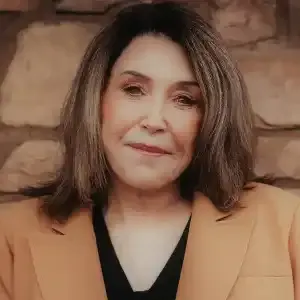
Susie Hopson-Blum
Owner/Founder
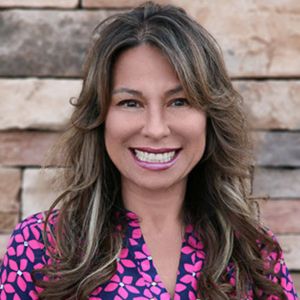
Juanita Wells
Director of Admissions
CADC-II, ICADC
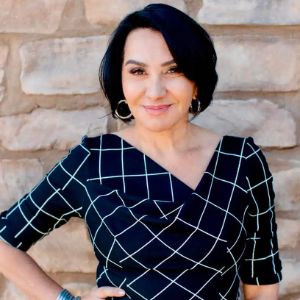
Deanna Jordan Crosby
Clinical Director
M.A., LMFT, LAADC, Psy.D
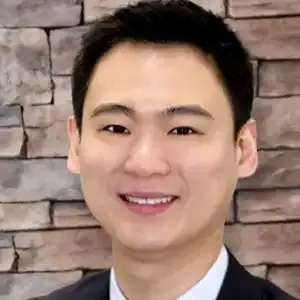
Dr. Stanley Chou
Medical Director
MD
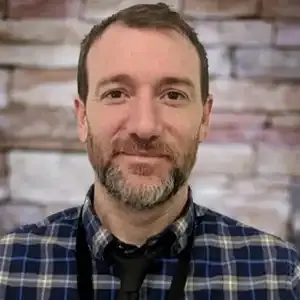
Dr. Randall Turner
Addiction Psychiatrist
DO
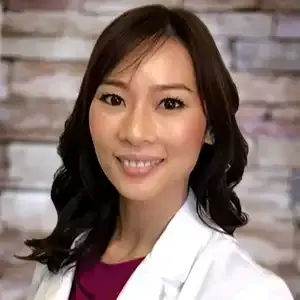
Kathy Shinozaki
Physician Assistant
PA-C, MSPAS, MPH
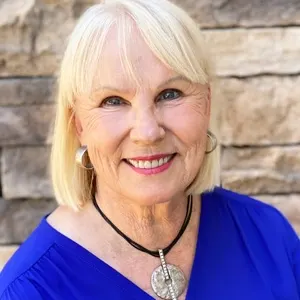
Dr. Ruta Sternbergs
Therapist
Ed. D,. Psy. D., CADC-II
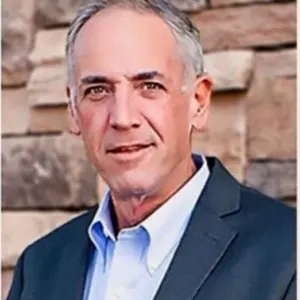
Ed Blum
Chief Executive Officer, Owner / Founder
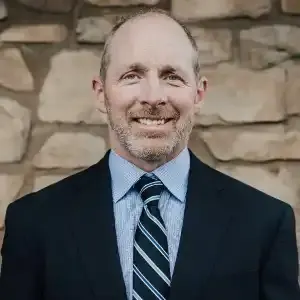
Bing Crosby
CFO
BA
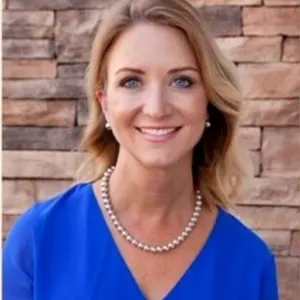
Tracy Marshall
Counselor
BA, CADC- III, ICADC
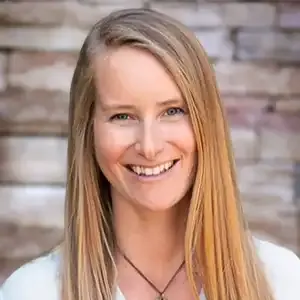
April Donna
Equine Therapist
LMFT, CEFP
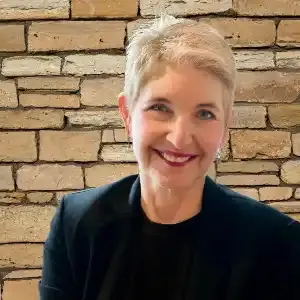
Dr. Margaret Sinner
Clinical Supervisor
BS, MBA, PhD.
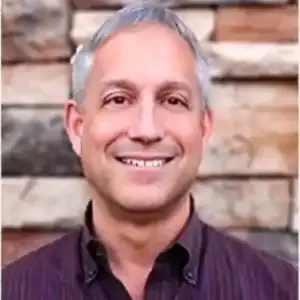
Louis Heit
Clinical Supervisor
LMFT, LCSW
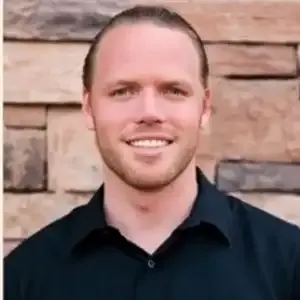
James Shoffeitt
Serene Waters Adventure Therapy
CADC-II

Liana Flint
Dietician
MS, RDN, LDN

Genevieve Garcia
Therapeutic Arts Instructor
MA, Psy.

Jimmy Olivieri
Medical Operations Director
BA

Ashley Corwin
Director of Operations
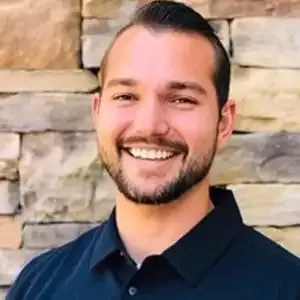
Kris Kereluik
Director of Operations
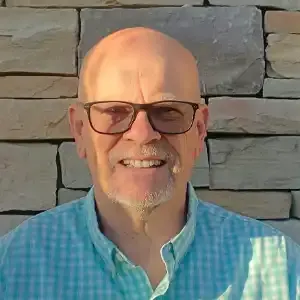
Richard Bishop
Acupuncturist
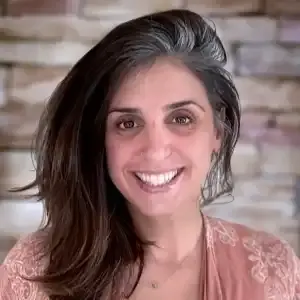
Becca Bristow
Yoga Instructor/Reiki Master
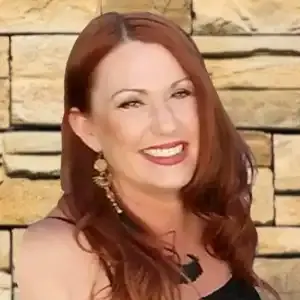
Kendra Flores
Massage Therapist

Charles Crosby
Trauma Sensitivity Specialist
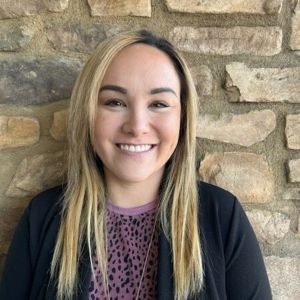
Amber Shaw
Program Director
BS, SUDRC
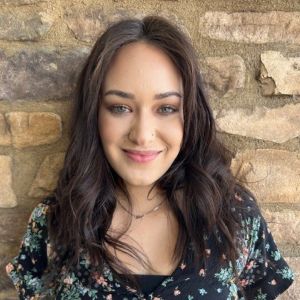
Alyssa Hendley
Case Manager/Counselor
BS, SUDRC
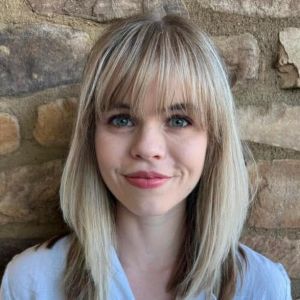
Morgan Brennan
Counselor/Intern
BS, RADT-I
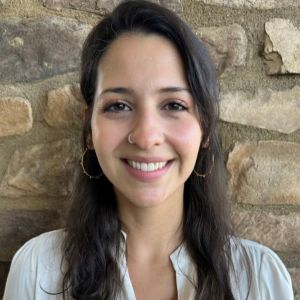
Ismary Colon Angueira
Counselor/Intern
JD, BA, RADT I
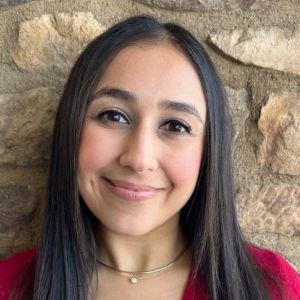
Yasamin Qaderi
Counselor/Intern
BS, RADT-I
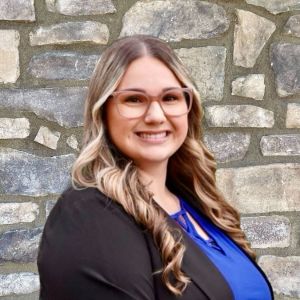
Reta Barna
Front Desk Coordinator
A.A.S




Levels of Care


Your Care Options
Specializations
Cocaine
Cocaine is a stimulant with euphoric effects. Agitation, muscle ticks, psychosis, and heart issues are common symptoms of cocaine abuse.
Benzodiazepines
Benzodiazepines are prescribed to treat anxiety and sleep issues. They are highly habit forming, and their abuse can cause mood changes and poor judgement.
Equine Therapy
Guided interactions with trained horses, their handler, and a therapist can help patients improve their self-esteem, trust, empathy, and social skills.
Adventure Therapy
This experiential approach uses the physical and emotional challenges of outdoor activities as tools for personal growth.
Drug Addiction
Drug addiction is the excessive and repetitive use of substances, despite harmful consequences to a person's life, health, and relationships.
Holistic
A non-medicinal, wellness-focused approach that aims to align the mind, body, and spirit for deep and lasting healing.
LGBTQ+
Addiction and mental illnesses in the LGBTQ+ community must be treated with an affirming, safe, and relevant approach, which many centers provide.
Alcohol
Using alcohol as a coping mechanism, or drinking excessively throughout the week, signals an alcohol use disorder.
Who We Treat
Veterans
Patients who completed active military duty receive specialized treatment focused on trauma, grief, loss, and finding a new work-life balance.
Men and Women
Men and women attend treatment for addiction in a co-ed setting, going to therapy groups together to share experiences, struggles, and successes.
Young Adults
Emerging adults ages 18-25 receive treatment catered to the unique challenges of early adulthood, like college, risky behaviors, and vocational struggles.
Executives
Executive treatment programs typically directly support the needs of people who manage businesses and may provide flexible schedules and office space to allow work during treatment.
Midlife Adults
For adults ages 40+, treatment shifts to focus on the unique challenges, blocks, and risk factors of their age group, and unites peers in a similar community.
Mild Disabilities
Adults with mild physical or intellectual disabilities receive treatment catered to their specific needs in a safe and clinically supportive environment.
LGBTQ+
Addiction and mental illnesses in the LGBTQ+ community must be treated with an affirming, safe, and relevant approach, which many centers provide.
Approaches
Experiential
Expressive tools and therapies help patients process past situations, learn more about themselves, and find healing through action.
Holistic
A non-medicinal, wellness-focused approach that aims to align the mind, body, and spirit for deep and lasting healing.
Evidence-Based
A combination of scientifically rooted therapies and treatments make up evidence-based care, defined by their measured and proven results.
Individual Treatment
Individual care meets the needs of each patient, using personalized treatment to provide them the most relevant care and greatest chance of success.
Therapies
Mindfulness-Based Cognitive Therapy
MBCT combines mindfulness practices—like meditation—with cognitive therapy techniques to help patients work through negative thought patterns.
1-on-1 Counseling
Patient and therapist meet 1-on-1 to work through difficult emotions and behavioral challenges in a personal, private setting.
Family Therapy
Family therapy addresses group dynamics within a family system, with a focus on improving communication and interrupting unhealthy relationship patterns.
Equine Therapy
Guided interactions with trained horses, their handler, and a therapist can help patients improve their self-esteem, trust, empathy, and social skills.
Adventure Therapy
This experiential approach uses the physical and emotional challenges of outdoor activities as tools for personal growth.
Substances We Treat
Cocaine
Cocaine is a stimulant with euphoric effects. Agitation, muscle ticks, psychosis, and heart issues are common symptoms of cocaine abuse.
Prescription Drugs
It's possible to abuse any drug, even prescribed ones. If you crave a medication, or regularly take it more than directed, you may have an addiction.
Benzodiazepines
Benzodiazepines are prescribed to treat anxiety and sleep issues. They are highly habit forming, and their abuse can cause mood changes and poor judgement.
Ecstasy
Ecstasy is a stimulant that causes intense euphoria and heightened awareness. Abuse of this drug can trigger depression, insomnia, and memory problems.
Co-Occurring Disorders
A person with multiple mental health diagnoses, such as addiction and depression, has co-occurring disorders also called dual diagnosis.
Psychedelics
Hallucinogenic drugs—like LSD—cause euphoria and increased sensory experiences. When abused, they can lead to depression and psychosis.
Drug Addiction
Drug addiction is the excessive and repetitive use of substances, despite harmful consequences to a person's life, health, and relationships.
Chronic Relapse
Consistent relapse occurs repeatedly, after partial recovery from addiction. This condition requires long-term treatment.
Languages
Aftercare
Care Designed for Your Needs
Personal Amenities
Amenities
Special Considerations
Gender-specific groups
Patients in gender-specific groups gain the opportunity to discuss challenges unique to their gender in a comfortable, safe setting conducive to healing.
LGBTQ group
Group therapy unites LGBTQ+ patients in a safe and culturally competent setting, encouraging peer support under the expert leadership of a therapist.
Activities
Yoga
Yoga is both a physical and spiritual practice. It includes a flow of movement, breathing techniques, and meditation.
Off-Site Activities
Off-Site Amenities
What people are saying
Treatment
4.7
Accommodations
4.7
Food & Nutrition
4.4
Value
4.7
Pros
- Beautiful Location (13)
- Excellent & Effective Treatment Programming (13)
- Treated With Respect (13)
- Personalized (12)
Cons
- Not Enough Time With Therapist (2)
TLG
Reviewed 05/16/23
Review from Rehabs.com
Katie
Treatment in 2013 • (180+ days) • Reviewed 02/20/23
Former Client
LJM
Treatment in 2021 • (60 days) • Reviewed 01/03/23
Former Client
•Director
Heather L
Treatment in 2021 • (180+ days) • Reviewed 12/21/22
Former Client
•Hospitality
•USA
Betsy
Treatment in 2015 • (90 days) • Reviewed 12/15/22
Former Client
•Mortgage Loan Officer
•San Juan Capistrano, CA
