Find Treatment By
Rehabs by Location


Learn
About Us
Recovery.com combines independent research with expert guidance on addiction and mental health treatment. Our mission is to help everyone find the best path to recovery through the most comprehensive, helpful network of treatment providers worldwide.
Advisory Council
Our advisory council brings together leaders in behavioral health, technology, and business. Their diverse expertise ensures our resources and product are innovative, evidence-based, and effective. They guide our mission as accomplished individuals dedicated to improving the landscape of addiction recovery and mental wellness.




Morro Bay Recovery
Morro Bay Recovery
Morro Bay Recovery
About Morro Bay Recovery
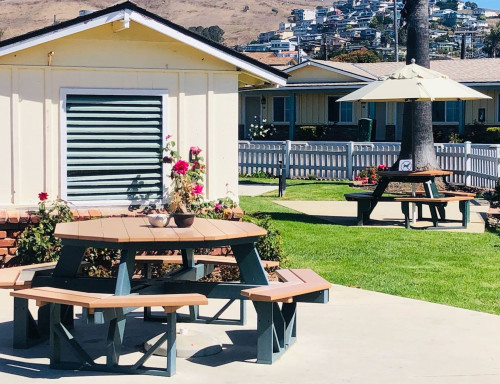
Morro Bay Recovery treats both mental health and substance use disorders, offering every level of care under one roof: detox, residential, PHP, IOP, and outpatient, so no one has to start over somewhere new as their needs change. Set right on the coast in Morro Bay, California, the facility uses its location as part of the treatment itself: ocean views, private space to reflect, and a team that treats addiction as a disease, not a failing.
Rebuild the Self-Belief Addiction Took Away
At Morro Bay Recovery, treatment starts from a belief that addiction is a disease, not a moral failing, and recovery looks different for everyone. No two treatment plans look the same here. Clients get a mix of individual and group counseling, medication-assisted treatment, and holistic therapies like yoga and art therapy based on what they need. Rather than pushing residents through a fixed program, the team builds around them, rebuilding the hope and self-belief addiction often erodes.
Find Recovery Woven Into Everyday Life
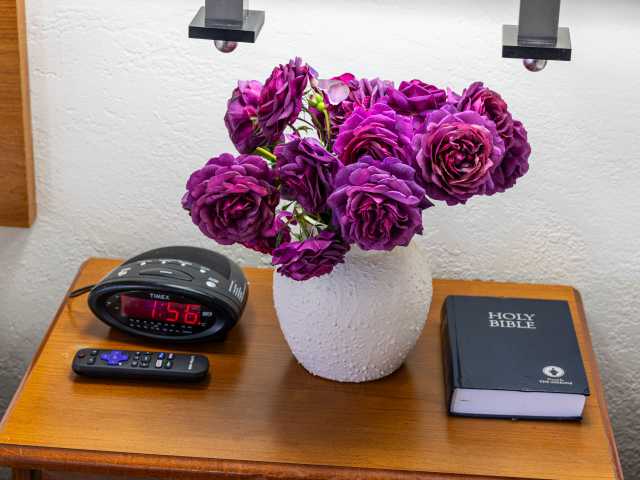
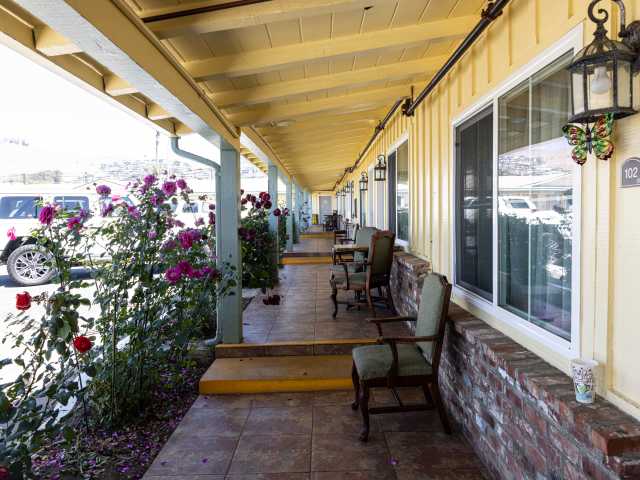
Morro Bay Recovery sits right across from the ocean, with most residents having their own room, and no one shares with more than one other person. Days start with a chef-made breakfast, and meals are customized to each person's preferences and allergies, served indoors or out. Beyond the facility, residents get outside the walls of treatment: fishing trips, weekend farmer's market runs with a therapist, and local AA meetings.
Move Forward Without Starting Over
At Morro Bay, clients can transition directly into outpatient care here, keeping the same team and same support instead of starting over somewhere new. For those who need to begin care right away, direct admission means they have no unnecessary delays between deciding to get help and receiving it.
Highlights from the Center
Therapeutic Location
Holistic Approach
On-site Medical Detox
Private Rooms Available
Center Overview
Insurance Accepted









Not Accepted








Cash Pay Rates


Recovery.com Verified Listing
Recovery.com verified that the name, location, contact information and license to operate for this treatment provider are valid and up-to-date.
Joint Commission Accredited
Licensed by California DHCS
Recovery.com is an independent, third-party mental health resource. Verification does not imply endorsement and does not guarantee the quality of treatment services.
Supportive Medication for Recovery
Medication-Assisted Treatment (MAT) is an evidence-based approach that pairs FDA-approved medications with counseling to treat addiction. The medications are used to reduce cravings, ease withdrawal symptoms, or block the effects of substances. More about MAT
Methadone

Naltrexone
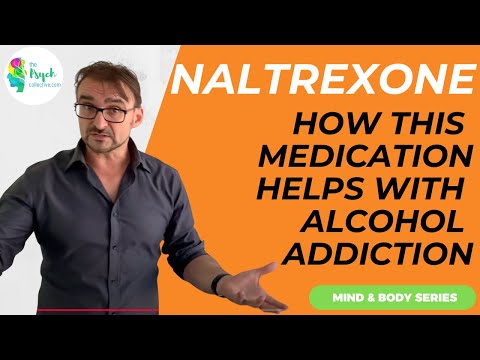
Buprenorphine


This center prescribes medications for opioid use disorder and also accepts patients receiving MAT prescribed elsewhere.
Note: Treatment centers offer different forms of MAT—such as oral tablets, dissolvable films, or monthly injections—and their policies can vary based on state regulations, provider preferences, and insurance coverage. Because of these differences, it's best to contact the center directly to learn what options are available and what might be right for your situation.