Find Treatment By
Rehabs by Location


Find Treatment By
Learn
About Us
Recovery.com combines independent research with expert guidance on addiction and mental health treatment. Our mission is to help everyone find the best path to recovery through the most comprehensive, helpful network of treatment providers worldwide.
Advisory Council
Our advisory council brings together leaders in behavioral health, technology, and business. Their diverse expertise ensures our resources and product are innovative, evidence-based, and effective. They guide our mission as accomplished individuals dedicated to improving the landscape of addiction recovery and mental wellness.
Keystone Retreat Behavioral Health
Verified Center
This provider's information has been quality-checked by Recovery.com's Research Team for accuracy and completeness, including center verification through appropriate third-party organizations.
Treatment Focus
This center treats substance use disorders and co-occurring mental health conditions. Your treatment plan addresses each condition at once with personalized, compassionate care for comprehensive healing.
Primary Level of Care
Offering intensive care with 24/7 monitoring, residential treatment is typically 30 days and can cover multiple levels of care. Length can range from 14 to 90 days typically.
Treatment Focus
This center treats substance use disorders and co-occurring mental health conditions. Your treatment plan addresses each condition at once with personalized, compassionate care for comprehensive healing.
Primary Level of Care
Offering intensive care with 24/7 monitoring, residential treatment is typically 30 days and can cover multiple levels of care. Length can range from 14 to 90 days typically.
Provider's Policy
We know that navigating insurance policies can feel confusing and overwhelming. That’s why our experienced team is here to guide you every step of the way. With our industry knowledge, we can verify your benefits quickly and even advocate on your behalf for extended coverage or additional time in treatment.
Keystone Retreat Behavioral Health
Keystone Retreat Behavioral Health
About Keystone Retreat Behavioral Health
Located just outside Philadelphia, Keystone Retreat Behavioral Health offers a supportive, evidence-based approach to recovery in a comfortable and private setting. Their mission is to guide clients toward lasting sobriety through individualized treatment programs that help them find peace with the past, make progress in the present, and build a foundation for a brighter tomorrow. With same-day admission, clients can begin treatment quickly, sometimes within just a few hours.
Examine the Underlying Causes of Addiction
Keystone Retreat customizes treatment for each client’s background and needs, including co-occurring mental health conditions. They offer science-backed therapies delivered in individual and group formats. Clients participate in about six hours of group sessions daily, with time for other treatments. Clients may engage in trauma-focused therapies like eye movement desensitization and reprocessing (EMDR) or family therapy to strengthen relationships. They can also attend SMART Recovery meetings for peer support.
Focus on Healing in the Countryside
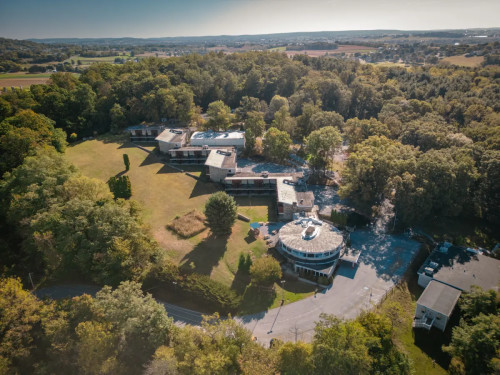
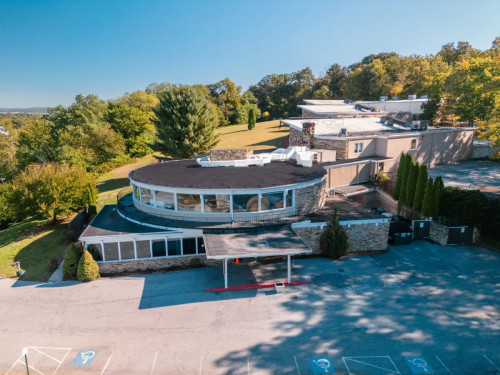
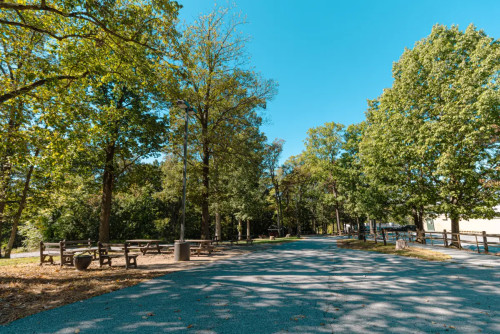
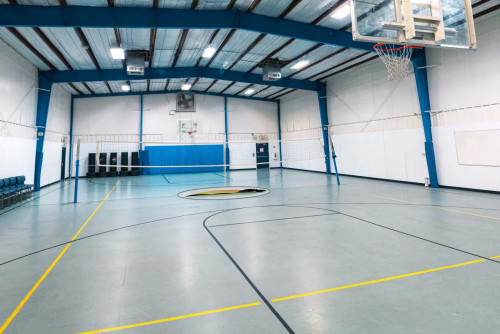
Although conveniently located near major metropolitan areas, Keystone Retreat sits on 14 acres on the outskirts of the small, vibrant town of Ephrata. Clients enjoy private bedrooms and bathrooms, chef-prepared meals, and access to an on-site gym. Clients can take advantage of indoor volleyball and basketball, and walk around the grounds. Outside scheduled activities, clients can use personal devices to maintain work responsibilities and connections with loved ones.
Receive a Plan for the Path Forward
As the client’s stay progresses, Keystone Retreat works with the client to plan for the ongoing support to help them sustain sobriety once they leave the center. They will gladly find outpatient facilities and therapists in the client’s town and in their insurance network. They will even make appointments before the client leaves.
Highlights from the Center
Highlights
These highlights are provided by and paid for by the center.
Customized Treatment Plans
Co-Occurring Disorders Treatment
On-site Medical Detox
Trauma-Informed Care
Tech Friendly
Center Overview
Treatment Focus
This center treats substance use disorders and co-occurring mental health conditions. Your treatment plan addresses each condition at once with personalized, compassionate care for comprehensive healing.
Insurance Accepted










Recovery.com Verified Listing
Recovery.com verified that the name, location, contact information and license to operate for this treatment provider are valid and up-to-date.

Licensed by Pennsylvania
Recovery.com is an independent, third-party mental health resource. Verification does not imply endorsement and does not guarantee the quality of treatment services.
Meet Your Care Team

Dr. Christian Small
Medical Director
Chad Daugherty
CEO

Brandon Turner
COO & CFO
Manuel Perez
Vice President of Operations
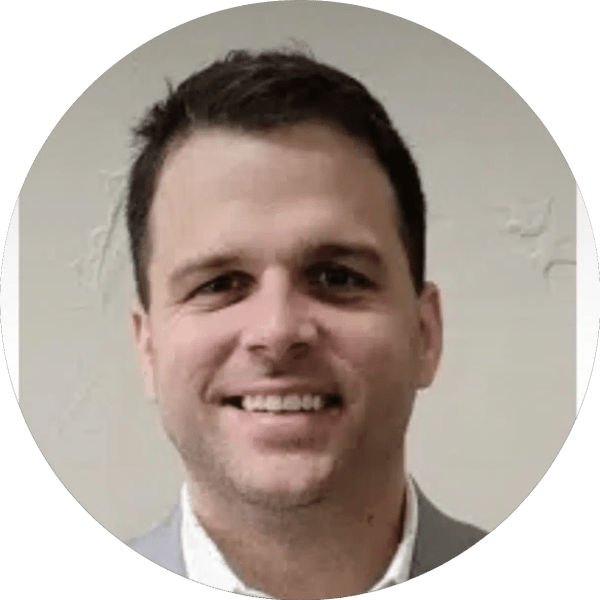
Brian Lockard
Director of Mental Health Services

Josh Norimatsu
Vice President, Marketing and Admissions

Steven Van Hooser
Director of Compliance and Regulatory Affairs

Shayna Thacker
Director of Human Resources

Cirilo Perez
Director of IT
Your Care Options
Specializations
Alcohol
Using alcohol as a coping mechanism, or drinking excessively throughout the week, signals an alcohol use disorder.
Detox
Detox fully and safely removes toxic substances from the body, allowing the next steps in treatment to begin with a clean slate.
Co-Occurring Disorders
A person with multiple mental health diagnoses, such as addiction and depression, has co-occurring disorders also called dual diagnosis.
Opioids
Opioids produce pain-relief and euphoria, which can lead to addiction. This class of drugs includes prescribed medication and the illegal drug heroin.
Veterans
Patients who completed active military duty receive specialized treatment focused on trauma, grief, loss, and finding a new work-life balance.
Residential
In a residential rehab program, patients live onsite, with access to daily treatment and 24-hour care. An average stay is 30-90 days.
Who We Treat
Men and Women
Men and women attend treatment for addiction in a co-ed setting, going to therapy groups together to share experiences, struggles, and successes.
Veterans
Patients who completed active military duty receive specialized treatment focused on trauma, grief, loss, and finding a new work-life balance.
Treatment Services
Detox
Detox fully and safely removes toxic substances from the body, allowing the next steps in treatment to begin with a clean slate.
Residential
In a residential rehab program, patients live onsite, with access to daily treatment and 24-hour care. An average stay is 30-90 days.
Approaches
Evidence-Based
A combination of scientifically rooted therapies and treatments make up evidence-based care, defined by their measured and proven results.
Holistic
A non-medicinal, wellness-focused approach that aims to align the mind, body, and spirit for deep and lasting healing.
Personalized Treatment
The specific needs, histories, and conditions of individual patients receive personalized, highly relevant care throughout their recovery journey.
Therapies
1-on-1 Counseling
Patient and therapist meet 1-on-1 to work through difficult emotions and behavioral challenges in a personal, private setting.
Art Therapy
Visual art invites patients to examine the emotions within their work, focusing on the process of creativity and its gentle therapeutic power.
Family Therapy
Family therapy addresses group dynamics within a family system, with a focus on improving communication and interrupting unhealthy relationship patterns.
Medication-Assisted Treatment
Combined with behavioral therapy, prescribed medications can enhance treatment by relieving withdrawal symptoms and focus patients on their recovery.
Mindfulness Therapy
This ancient practice can be mental, emotional, and even spiritual. In meditation, you focus your attention on the present moment without judgement.
Motivational Interviewing
Based on the idea that motivation to change comes from within, providers use a conversational framework to discover personalized methods for change.
Languages
Substances We Treat
Alcohol
Using alcohol as a coping mechanism, or drinking excessively throughout the week, signals an alcohol use disorder.
Benzodiazepines
Benzodiazepines are prescribed to treat anxiety and sleep issues. They are highly habit forming, and their abuse can cause mood changes and poor judgement.
Co-Occurring Disorders
A person with multiple mental health diagnoses, such as addiction and depression, has co-occurring disorders also called dual diagnosis.
Drug Addiction
Drug addiction is the excessive and repetitive use of substances, despite harmful consequences to a person's life, health, and relationships.
Ecstasy
Ecstasy is a stimulant that causes intense euphoria and heightened awareness. Abuse of this drug can trigger depression, insomnia, and memory problems.
Opioids
Opioids produce pain-relief and euphoria, which can lead to addiction. This class of drugs includes prescribed medication and the illegal drug heroin.
Prescription Drugs
It's possible to abuse any drug, even prescribed ones. If you crave a medication, or regularly take it more than directed, you may have an addiction.
Synthetic Drugs
Synthetic drugs are made in a lab, unlike plant-based drugs like mushrooms. Most synthetic drugs are either stimulants or synthetic cannabinoids.
Aftercare
Care Designed for Your Needs
Personal Amenities
Amenities
Special Considerations
Flexible technology policies
Centers with flexible technology policies allow professionals to stay in touch with work and give patients a greater sense of connection and normalcy.
Activities
Yoga
Yoga is both a physical and spiritual practice. It includes a flow of movement, breathing techniques, and meditation.
Learn More About the Center
Tour Keystone Retreat’s Facility
Step inside a private, countryside setting designed to support focus, comfort, and recovery.
The Benefits Of Choosing Keystone Retreat
Learn what sets this program apart, from personalized care to thoughtful admissions support.
Keystone Retreat’s Alcohol Addiction Treatment
Discover how evidence-based alcohol treatment supports stability, healing, and long-term sobriety.
Keystone Retreat’s Opioid Addiction Treatment
Explore opioid treatment options designed to manage withdrawal safely and support sustainable recovery.