Canopy Pines Recovery
Treatment Focus
This center treats substance use disorders and co-occurring mental health conditions. Your treatment plan addresses each condition at once with personalized, compassionate care for comprehensive healing.
Primary Level of Care
Offering intensive care with 24/7 monitoring, residential treatment is typically 30 days and can cover multiple levels of care. Length can range from 14 to 90 days typically.
This provider hasn't verified their profile's information. Are you the owner of this center? Claim your listing to better manage your presence on Recovery.com.
Treatment Focus
This center treats substance use disorders and co-occurring mental health conditions. Your treatment plan addresses each condition at once with personalized, compassionate care for comprehensive healing.
Primary Level of Care
Offering intensive care with 24/7 monitoring, residential treatment is typically 30 days and can cover multiple levels of care. Length can range from 14 to 90 days typically.
Provider's Policy
Canopy Pines works with most major commercial insurance plans and verifies benefits before admission. Self-pay options are available, with costs based on length of stay and clinical services. Call admissions to review coverage and take the next step.
About Canopy Pines Recovery
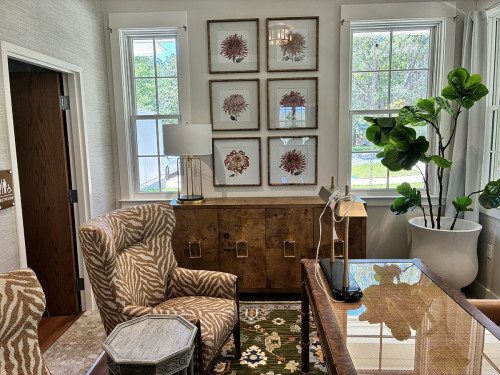
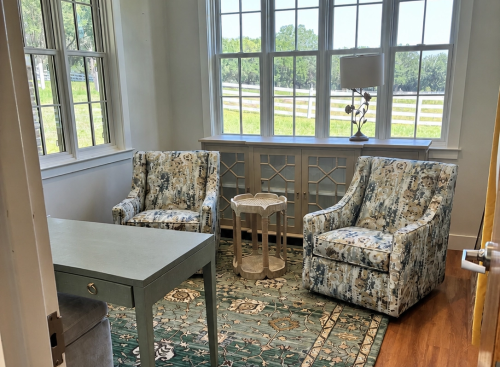
Set on a quiet North Florida property with open pasture, live oaks, and horses, Canopy Pines Recovery Center is a women-only detox and residential treatment center on 30 acres of farmland on the outskirts of Tallahassee, Florida–offering a quiet alternative to traditional residential care. The program treats addiction alongside co-occurring mental health conditions such as depression, anxiety, trauma, and post-traumatic stress disorder (PTSD), with care led by Dr. Lantie Jorandby, a triple board-certified psychiatrist in general psychiatry, addiction psychiatry, and addiction medicine.
Shape Progress With Precision
Residential treatment is highly individualized and shaped by each woman’s psychiatric evaluation, clinical needs, and treatment progress. Care includes multiple individual therapy sessions each week, daily group therapy, family therapy, dialectical behavior therapy (DBT) informed skills work, trauma-informed care, medication management, relapse prevention planning, and equine-assisted therapy. The program is designed to address the underlying patterns connected to addiction and mental health symptoms, rather than relying on a preset timeline or standard protocol.
Move Safely From Detox
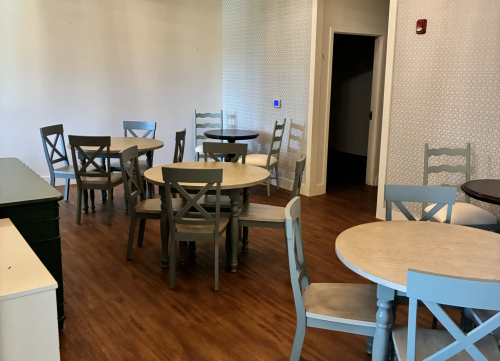
Women live on-site for the full course of treatment, with structured days that include shared meals, therapy, wellness practices, peer connection, and quieter time for reflection. Founded in 2026, Canopy Pines also offers medical detox on the same property for women who need it, allowing a direct transition into residential care with the same clinical team.
Center Overview

Treatment Focus
This center treats substance use disorders and co-occurring mental health conditions. Your treatment plan addresses each condition at once with personalized, compassionate care for comprehensive healing.

Insurance Accepted
Cash Pay Rates
Estimated Cash Pay Rate
Center pricing can vary based on program and length of stay. Contact the center for more information. Recovery.com strives for price transparency so you can make an informed decision.
Levels of Care
Your Care Options
Specializations
Alcohol
Using alcohol as a coping mechanism, or drinking excessively throughout the week, signals an alcohol use disorder.
Drug Addiction
Drug addiction is the excessive and repetitive use of substances, despite harmful consequences to a person's life, health, and relationships.
Equine Therapy
Guided interactions with trained horses, their handler, and a therapist can help patients improve their self-esteem, trust, empathy, and social skills.
Trauma
Some traumatic events are so disturbing that they cause long-term mental health problems. Those ongoing issues can also be referred to as "trauma."
Who We Treat
Women only
Women attend treatment in a gender-specific facility, with treatment delivered in a safe, nourishing, and supportive environment for greater comfort.
Approaches
Evidence-Based
A combination of scientifically rooted therapies and treatments make up evidence-based care, defined by their measured and proven results.
Gender-Specific
Separate treatment for men or women can create strong peer connections and remove barriers related to trauma, shame, and gender-specific nuances.
Individual Treatment
Individual care meets the needs of each patient, using personalized treatment to provide them the most relevant care and greatest chance of success.
Therapies
1-on-1 Counseling
Patient and therapist meet 1-on-1 to work through difficult emotions and behavioral challenges in a personal, private setting.
Animal Therapy
Animals can inspire trust and self-worth. In this experiential therapy, guided interactions are used to improve social skills and emotion regulation.
Dialectical Behavior Therapy
Dialectical Behavior Therapy teaches skills for managing emotions, improving relationships, tolerating distress, and increasing mindfulness.
Equine Therapy
Guided interactions with trained horses, their handler, and a therapist can help patients improve their self-esteem, trust, empathy, and social skills.
Family Therapy
Family therapy addresses group dynamics within a family system, with a focus on improving communication and interrupting unhealthy relationship patterns.
Group Therapy
Group therapy brings people together in a supportive setting to share experiences, develop skills, and work toward common goals.
Meditation & Mindfulness
A practiced state of mind that brings patients to the present. It allows them to become fully aware of themselves, their feelings, and the present moment.
Mindfulness Therapy
This ancient practice can be mental, emotional, and even spiritual. In meditation, you focus your attention on the present moment without judgement.
Nature Therapy
Nature therapy uses time in natural environments to promote relaxation, emotional well-being, and connection with the outdoors.
Languages
Conditions We Treat
Anxiety
Anxiety is a common mental health condition that can include excessive worry, panic attacks, physical tension, and increased blood pressure.
Depression
Symptoms of depression may include fatigue, a sense of numbness, and loss of interest in activities. This condition can range from mild to severe.
Eating Disorders
An eating disorder is a long-term pattern of unhealthy behavior relating to food. Most people with eating disorders have a distorted self-image.
Post Traumatic Stress Disorder
PTSD is a long-term mental health issue caused by a disturbing event or events. Symptoms include anxiety, dissociation, flashbacks, and intrusive thoughts.
Stress
Stress is a natural reaction to challenges, and it can even help you adapt. However, chronic stress can cause physical and mental health issues.
Trauma
Some traumatic events are so disturbing that they cause long-term mental health problems. Those ongoing issues can also be referred to as "trauma."
Substances We Treat
Alcohol
Using alcohol as a coping mechanism, or drinking excessively throughout the week, signals an alcohol use disorder.
Benzodiazepines
Benzodiazepines are prescribed to treat anxiety, insomnia, and seizures. They can be habit-forming and may cause drowsiness, memory problems, and dependence.
Co-Occurring Disorders
A person with multiple mental health diagnoses, such as addiction and depression, has co-occurring disorders also called dual diagnosis.
Drug Addiction
Drug addiction is the excessive and repetitive use of substances, despite harmful consequences to a person's life, health, and relationships.
Heroin
Heroin is a highly addictive opioid that produces feelings of euphoria and relaxation. Its use carries serious risks, including overdose and dependence.
Opioids
Opioids produce pain-relief and euphoria, which can lead to addiction. This class of drugs includes prescribed medication and the illegal drug heroin.
Prescription Drugs
It's possible to develop an addiction to any drug, even prescribed ones. If you crave a medication, or regularly take it more than directed, you may have an addiction.
Aftercare
Care Designed for Your Needs
Personal Amenities
Amenities
Special Considerations
Transition Program
Patients in a transition program gradually return to life outside treatment, helping lower chances of relapse and continue care in a less intense setting.
Healthy Meals are provided
Great food meets great treatment, with providers serving healthy meals to restore nutrition, wellbeing, and health.
Gender-specific groups
Patients in gender-specific groups gain the opportunity to discuss challenges unique to their gender in a comfortable, safe setting conducive to healing.