Find Treatment By
Rehabs by Location


Learn
About Us
Recovery.com combines independent research with expert guidance on addiction and mental health treatment. Our mission is to help everyone find the best path to recovery through the most comprehensive, helpful network of treatment providers worldwide.
Advisory Council
Our advisory council brings together leaders in behavioral health, technology, and business. Their diverse expertise ensures our resources and product are innovative, evidence-based, and effective. They guide our mission as accomplished individuals dedicated to improving the landscape of addiction recovery and mental wellness.
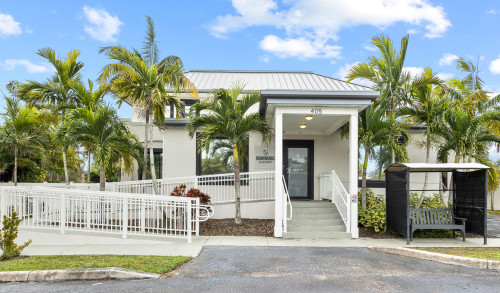

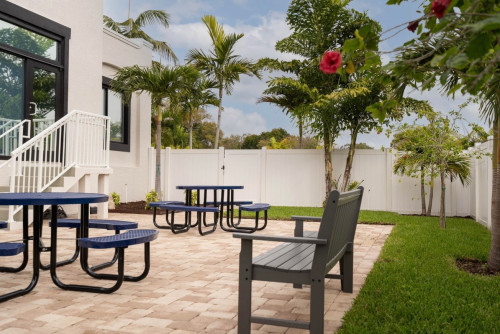


Braveminds Academy for Boys
Braveminds Academy for Boys
About Braveminds Academy for Boys
Braveminds Academy serves as a turning point for adolescent boys ages 11 to 17 who need more than what weekly therapy or outpatient programs can provide. This 16-bed residential program treats young men struggling with complex mental health conditions, dual-diagnosis substance use, or persistent thoughts of self-harm. Over a 30 to 90-day stay, the teams dive deep into the root causes of the struggle, providing psychiatric stabilization and 24/7 support.
Equip Him with Tools for Life’s Challenges
Bravemind’s approach is non-punitive in an environment where 16 boys get a high level of attention. By blending tools like internal family systems (IFS) and mindfulness-based stress reduction with experiential therapy, the program helps them move past anger or withdrawal and start verbalizing what’s going on inside. They are taught that while there will be good days and bad days, they have the power to handle both.
Create a Home Base for Healing
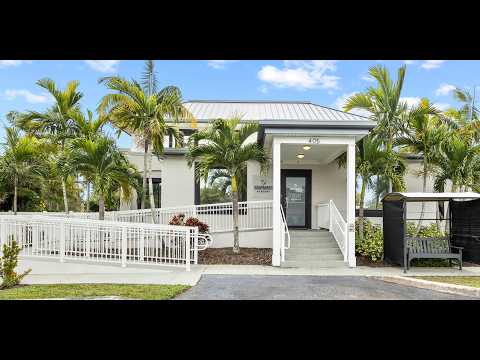
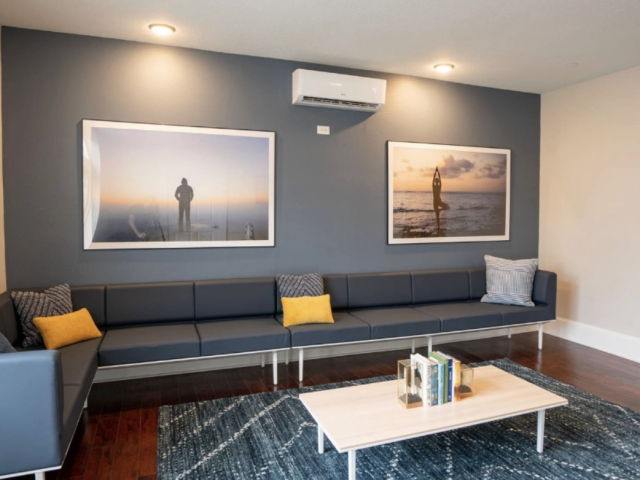
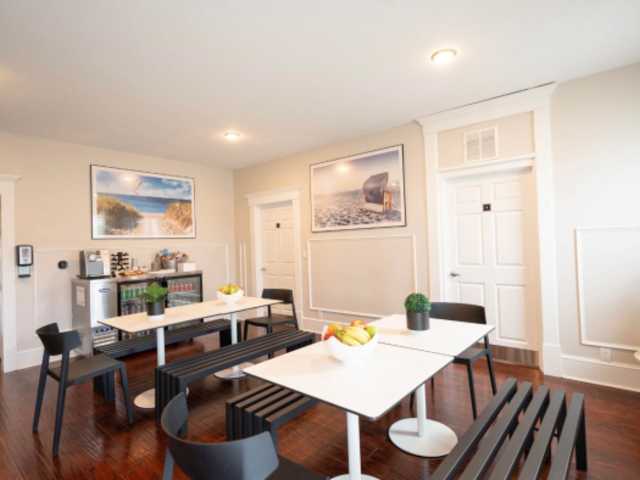
Located in a peaceful Florida setting, Braveminds Academy features semi-private bedrooms with only two beds each to make sure everyone has their own space while still having the support of a roommate. To keep the environment balanced and safe, roommates are always paired within two years of each other. Outside of the bedrooms, the home is built for brotherhood, featuring a backyard sport court for basketball and pickleball, and plenty of areas to relax.
Eliminate the Stress of What Comes Next
The team sits down with a case manager within the first seven days to start mapping out what life looks like back home, whether that’s setting up appointments with therapists, finding an outpatient program, or coordinating a smooth transition back to school. Even after the bags are packed, the door stays open with their alumni program that keeps the connection alive. Former students can check in, mentor current clients, and celebrate milestones at one, three, and five-year marks.
Highlights from the Center
Customized Treatment Plans
Certified Professionals
Adolescents
Center Overview

Insurance Accepted









Not Accepted















Cash Pay Rates

Recovery.com Verified Listing
Recovery.com verified that the name, location, contact information and license to operate for this treatment provider are valid and up-to-date.

Licensed by Florida
Recovery.com is an independent, third-party mental health resource. Verification does not imply endorsement and does not guarantee the quality of treatment services.
Meet Your Care Team

Alex Williams
Executive Director
MSW
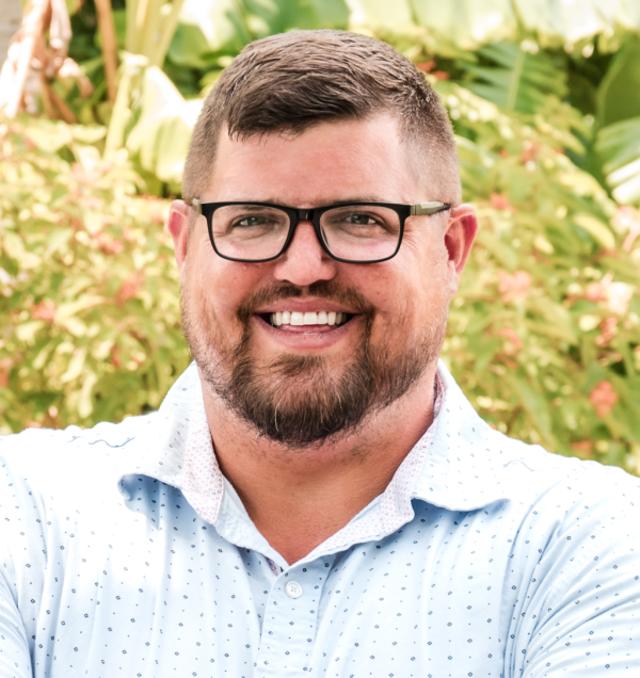
Travis Atchison
Clinical Director
PhD, LCSW-QS, MCAP

Laura Williams
Director of Nursing
EdD, MSN, RN

Tony Martino
Director of Marketing
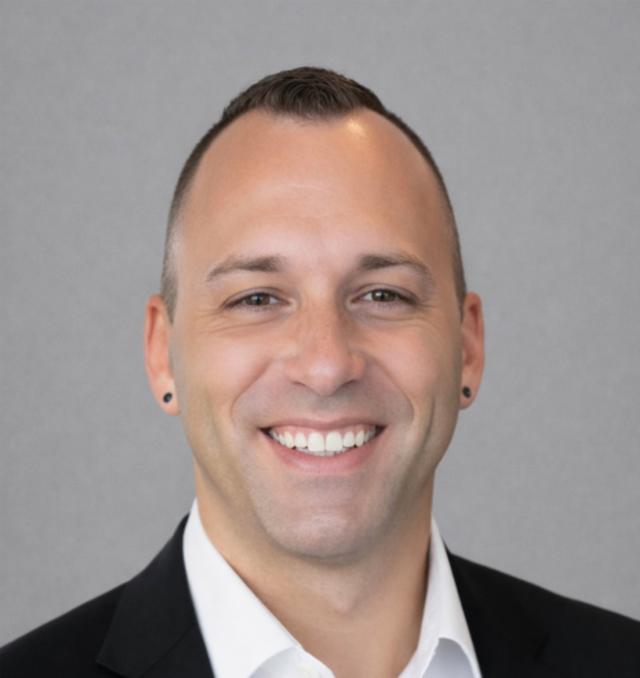
Robert Capley
Director of Operations

Erica Gentry
MHT Supervisor / Intake Coordinator
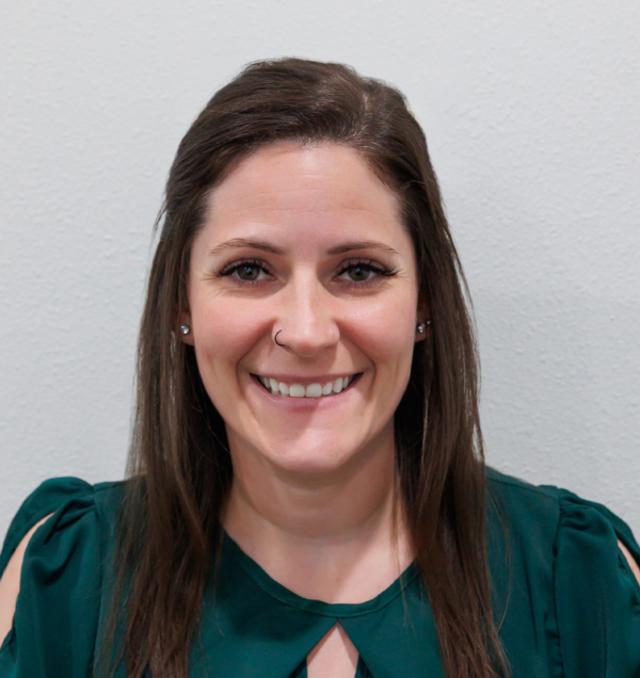
Tianna Audet
Lead Therapist
LCSW
Your Care Options
Specializations
Who We Treat
Treatment Services
Approaches
Therapies
Languages
Conditions We Treat
Substances We Treat
Aftercare
Care Designed for Your Needs
Personal Amenities
Amenities
Special Considerations
Learn More About the Center
How to Talk to Teenage Sons
Discover how to break through the silence and rebuild a lasting connection with your son.
What Residential Treatment Looks Like
Step inside the daily life of a residential program to see how structured routines, professional support, and peer connection work together.
Outpatient vs. Residential Treatment
Explore the critical differences between outpatient and residential care to choose the best option.
How to Know if Residential Treatment is Needed
Understand the clear warning signs and behavioral red flags that indicate someone will need more than therapy.