Find Treatment By
Rehabs by Location


Find Treatment By
Learn
About Us
Recovery.com combines independent research with expert guidance on addiction and mental health treatment. Our mission is to help everyone find the best path to recovery through the most comprehensive, helpful network of treatment providers worldwide.
Advisory Council
Our advisory council brings together leaders in behavioral health, technology, and business. Their diverse expertise ensures our resources and product are innovative, evidence-based, and effective. They guide our mission as accomplished individuals dedicated to improving the landscape of addiction recovery and mental wellness.


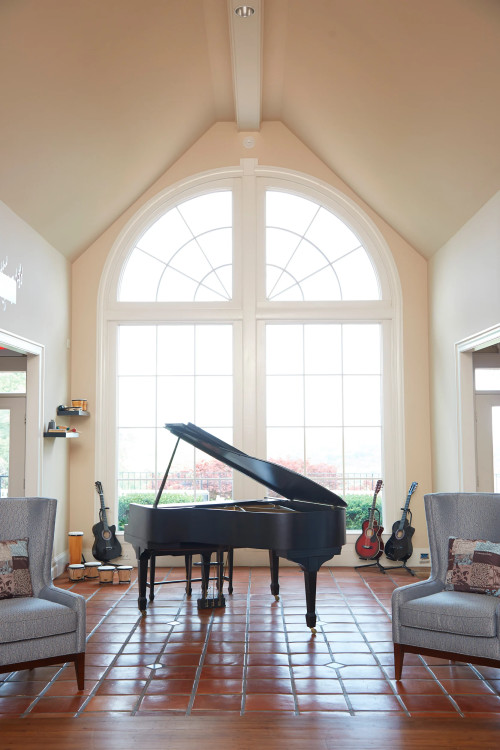


Bluff
Verified Center
This provider's information has been quality-checked by Recovery.com's Research Team for accuracy and completeness, including center verification through appropriate third-party organizations.
Treatment Focus
This center treats substance use disorders and co-occurring mental health conditions. Your treatment plan addresses each condition at once with personalized, compassionate care for comprehensive healing.
Primary Level of Care
Offering intensive care with 24/7 monitoring, residential treatment is typically 30 days and can cover multiple levels of care. Length can range from 14 to 90 days typically.
Treatment Focus
This center treats substance use disorders and co-occurring mental health conditions. Your treatment plan addresses each condition at once with personalized, compassionate care for comprehensive healing.
Primary Level of Care
Offering intensive care with 24/7 monitoring, residential treatment is typically 30 days and can cover multiple levels of care. Length can range from 14 to 90 days typically.
Provider's Policy
We accept a wide variety of health insurance plans. Our recovery specialists will help you figure out what your policy covers. We are experts in working with insurance companies to ensure our patients receive all of the insurance coverage they are due.
Bluff
Bluff
About Bluff
At Bluff, recovery is more than a series of meetings. It’s a vibrant process of continued learning, character development, and restored relationships, supported by relapse prevention skills. Bluff helps people with addiction and co-occurring mental health disorders with medically supervised detox, residential care, and step-down support through a day treatment program (PHP). Set on 178 acres near Augusta (home of The Masters), Bluff welcomes patients from Charleston, Savannah, and Myrtle Beach.
Combine Skills-Based and Experiential Healing
Bluff blends evidence-based clinical care with immersive, experiential therapies to help patients build stability for long-term recovery. In individual, group, and family sessions, cognitive behavioral therapy (CBT) helps clients identify and change destructive thought patterns while dialectical behavior therapy (DBT) builds distress tolerance, interpersonal effectiveness, and emotional regulation. Equine-assisted therapy, gardening, art, and movement use hands-on methods to build insight, connection, and self-expression.
Restore Energy with Nature and Nutrition
Clients stay in on-campus cottages designed for comfort and calm on Bluff’s 178-acre destination campus just outside Augusta. Much of daily life happens outdoors, with nature trails, ample outdoor seating, live oaks, and expansive green space for mindfulness, movement, and reflection. Bluff also offers a high-engagement ropes course, a large on-site horse barn, and culinary excellence with a professional chef and nutrition therapy.
Reinforce Progress with an Alumni Network
Bluff supports long-term recovery with aftercare planning that keeps clients connected through continued individual and group therapy, relapse-prevention strategies for triggers and daily stressors, and community support groups like Alcoholics Anonymous (AA) and Narcotics Anonymous (NA). A vibrant alumni network extends accountability and fellowship. Aftercare can include life skills training in communication, time management, and financial planning, plus family education and sober living guidance in Augusta when helpful.
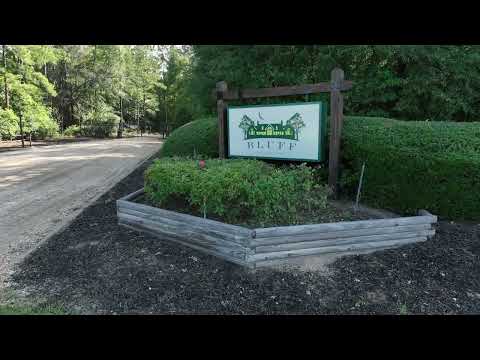
Highlights from the Center
Highlights
These highlights are provided by and paid for by the center.
Equine Therapy
Therapeutic Location
Wellness Emphasis
Medically Assisted Detox
Center Overview
Treatment Focus
This center treats substance use disorders and co-occurring mental health conditions. Your treatment plan addresses each condition at once with personalized, compassionate care for comprehensive healing.
CARF Accredited
CARF stands for the Commission on Accreditation of Rehabilitation Facilities. It's an independent, non-profit organization that provides accreditation services for a variety of healthcare services. To be accredited means that the program meets their standards for quality, effectiveness, and person-centered care.

Insurance Accepted









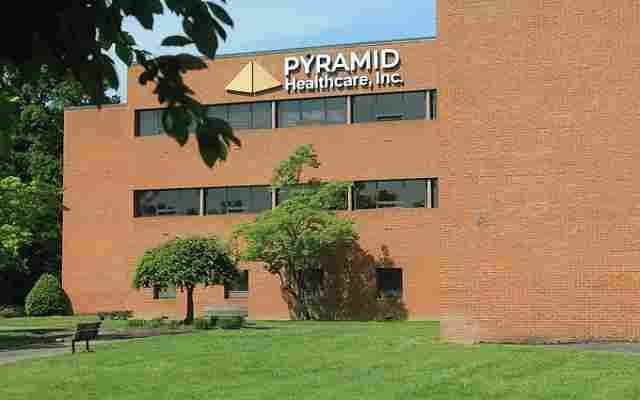
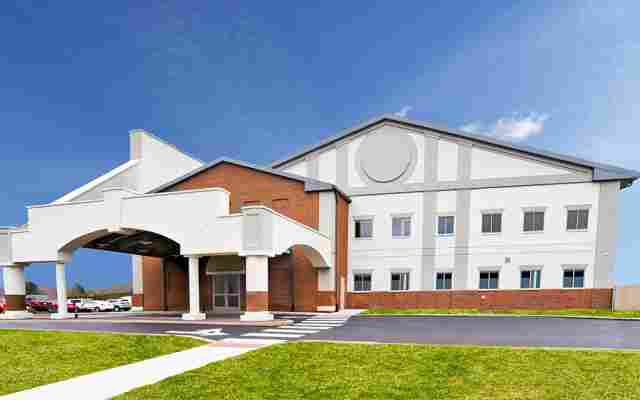
More Pyramid Healthcare Locations

Recovery.com Verified Listing
Recovery.com verified that the name, location, contact information and license to operate for this treatment provider are valid and up-to-date.
Licensed by Georgia
CARF Accredited
Recovery.com is an independent, third-party mental health resource. Verification does not imply endorsement and does not guarantee the quality of treatment services.
Meet Your Care Team
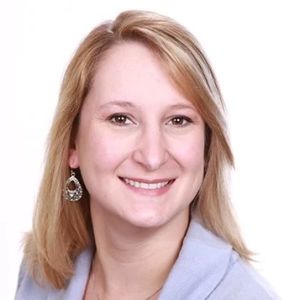
Rachel Ryan
Vice President of Operations
MS, MBA, LPC
Your Care Options
Specializations
Alcohol
Using alcohol as a coping mechanism, or drinking excessively throughout the week, signals an alcohol use disorder.
Detox
Detox fully and safely removes toxic substances from the body, allowing the next steps in treatment to begin with a clean slate.
Equine Therapy
Guided interactions with trained horses, their handler, and a therapist can help patients improve their self-esteem, trust, empathy, and social skills.
Experiential Therapy
With this approach, patients heal by doing. Therapists help patients process difficult emotions to speak, using guided activities like art or dance.
Holistic
A non-medicinal, wellness-focused approach that aims to align the mind, body, and spirit for deep and lasting healing.
Prescription Drugs
It's possible to abuse any drug, even prescribed ones. If you crave a medication, or regularly take it more than directed, you may have an addiction.
Veterans
Patients who completed active military duty receive specialized treatment focused on trauma, grief, loss, and finding a new work-life balance.
Who We Treat
Men and Women
Men and women attend treatment for addiction in a co-ed setting, going to therapy groups together to share experiences, struggles, and successes.
Veterans
Patients who completed active military duty receive specialized treatment focused on trauma, grief, loss, and finding a new work-life balance.
Treatment Services
Day Treatment
In a PHP, patients live at home but follow an intensive schedule of treatment. Most programs require you to be on-site for about 40 hours per week.
Detox
Detox fully and safely removes toxic substances from the body, allowing the next steps in treatment to begin with a clean slate.
Residential
In a residential rehab program, patients live onsite, with access to daily treatment and 24-hour care. An average stay is 30-90 days.
Approaches
Evidence-Based
A combination of scientifically rooted therapies and treatments make up evidence-based care, defined by their measured and proven results.
Holistic
A non-medicinal, wellness-focused approach that aims to align the mind, body, and spirit for deep and lasting healing.
Twelve Step
Incorporating spirituality, community, and responsibility, 12-Step philosophies prioritize the guidance of a Higher Power and a continuation of 12-Step practices.
Therapies
Acceptance and Commitment Therapy (ACT)
This cognitive behavioral therapy teaches patients to accept challenging feelings and make the appropriate changes to reach personal goals.
Art Therapy
Visual art invites patients to examine the emotions within their work, focusing on the process of creativity and its gentle therapeutic power.
Equine Therapy
Guided interactions with trained horses, their handler, and a therapist can help patients improve their self-esteem, trust, empathy, and social skills.
Experiential Therapy
With this approach, patients heal by doing. Therapists help patients process difficult emotions to speak, using guided activities like art or dance.
Eye Movement Therapy (EMDR)
Lateral, guided eye movements help reduce the emotional reactions of retelling and reprocessing trauma, allowing intense feelings to dissipate.
Family Therapy
Family therapy addresses group dynamics within a family system, with a focus on improving communication and interrupting unhealthy relationship patterns.
Languages
Conditions We Treat
Anxiety
Anxiety is a common mental health condition that can include excessive worry, panic attacks, physical tension, and increased blood pressure.
Bipolar
This mental health condition is characterized by extreme mood swings between depression, mania, and remission.
Depression
Symptoms of depression may include fatigue, a sense of numbness, and loss of interest in activities. This condition can range from mild to severe.
Personality Disorders
Personality disorders destabilize the way a person thinks, feels, and behaves. If untreated, they can undermine relationships and lead to severe distress.
Post Traumatic Stress Disorder
PTSD is a long-term mental health issue caused by a disturbing event or events. Symptoms include anxiety, dissociation, flashbacks, and intrusive thoughts.
Trauma
Some traumatic events are so disturbing that they cause long-term mental health problems. Those ongoing issues can also be referred to as "trauma."
Substances We Treat
Alcohol
Using alcohol as a coping mechanism, or drinking excessively throughout the week, signals an alcohol use disorder.
Co-Occurring Disorders
A person with multiple mental health diagnoses, such as addiction and depression, has co-occurring disorders also called dual diagnosis.
Drug Addiction
Drug addiction is the excessive and repetitive use of substances, despite harmful consequences to a person's life, health, and relationships.
Prescription Drugs
It's possible to abuse any drug, even prescribed ones. If you crave a medication, or regularly take it more than directed, you may have an addiction.
Aftercare
Care Designed for Your Needs
Personal Amenities
Amenities
Activities
Yoga
Yoga is both a physical and spiritual practice. It includes a flow of movement, breathing techniques, and meditation.
Learn More About the Center
The Correlation Between Veteran Trauma and Addiction
Examine how unresolved combat trauma can fuel substance use in veterans.
The Role of Aftercare in Sustainable Recovery
Understand how effective aftercare strengthens long-term recovery outcomes.
Practicing Mindfulness After Treatment
Learn about simple mindfulness techniques that support daily life after treatment.
Why a Change of Scenery Matters in Addiction Recovery
Discover how healing near Augusta, GA can transform addiction recovery.