This center treats substance use disorders and co-occurring mental health conditions. Your treatment plan addresses each condition at once with personalized, compassionate care for comprehensive healing.
Offering intensive care with 24/7 monitoring, residential treatment is typically 30 days and can cover multiple levels of care. Length can range from 14 to 90 days typically.
This provider hasn't verified their profile's information. Are you the owner of this center? Claim your listing to better manage your presence on Recovery.com.
This center treats substance use disorders and co-occurring mental health conditions. Your treatment plan addresses each condition at once with personalized, compassionate care for comprehensive healing.
Offering intensive care with 24/7 monitoring, residential treatment is typically 30 days and can cover multiple levels of care. Length can range from 14 to 90 days typically.
We accept most major insurance plans to cover treatment. Our admissions team will be happy to go over all the options with you in a pressure-free, judgment-free conversation.
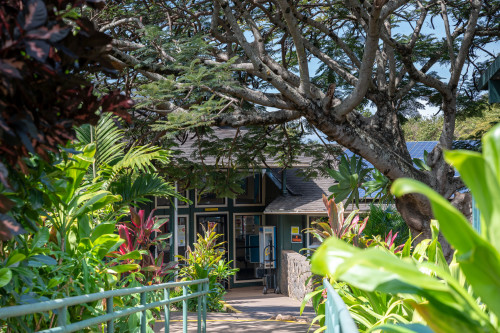
Healing begins with hope, and transformation becomes possible when people are offered support, respect and a true opportunity to rebuild their lives. In the peaceful island countryside of Makawao, Maui County, Hawaii, Aloha House sits beneath open blue skies, and surrounded by lush greenery. It is part of Maui Behavioral Health Resources (MBHR), which serves the community across Maui County. The program supports adults struggling with alcohol and substance use concerns, along with co-occurring mental health conditions, by providing a stable place where meaningful change can begin.
Aloha House offers detox, residential, intensive outpatient program (IOP), and sober living support. Their health team matches each person with the level of care that fits their needs and goals. During detox, clients stay about 5-7 days while their mind and body begins to stabilize. Nurses provide care 24/7, and clients benefit from nutritious meals to help them stay nourished.
In residential treatment, clients take part in activities that strengthen both mind and body. They may participate in 12-Step meetings, adventure outings, and recreational activities that motivate them to follow healthy routines and build new connections. Outpatient clients attend scheduled individual and group therapy sessions, either in-person or virtually, so they can continue receiving support while managing daily life.
This center treats substance use disorders and co-occurring mental health conditions. Your treatment plan addresses each condition at once with personalized, compassionate care for comprehensive healing.
CARF stands for the Commission on Accreditation of Rehabilitation Facilities. It's an independent, non-profit organization that provides accreditation services for a variety of healthcare services. To be accredited means that the program meets their standards for quality, effectiveness, and person-centered care.

Center pricing can vary based on program and length of stay. Contact the center for more information. Recovery.com strives for price transparency so you can make an informed decision.
A person with multiple mental health diagnoses, such as addiction and depression, has co-occurring disorders also called dual diagnosis.
Drug addiction is the excessive and repetitive use of substances, despite harmful consequences to a person's life, health, and relationships.
Using alcohol as a coping mechanism, or drinking excessively throughout the week, signals an alcohol use disorder.
Men and women attend treatment for addiction in a co-ed setting, going to therapy groups together to share experiences, struggles, and successes.
Addiction and mental health treatment caters to adults 55+ and the age-specific challenges that can come with recovery, wellness, and overall happiness.
Incorporating spirituality, community, and responsibility, 12-Step philosophies prioritize the guidance of a Higher Power and a continuation of 12-Step practices.
Separate treatment for men or women can create strong peer connections and remove barriers related to trauma, shame, and gender-specific nuances.
Medical addiction treatment uses approved medications to manage withdrawals and cravings, and to treat contributing mental health conditions.
A non-medicinal, wellness-focused approach that aims to align the mind, body, and spirit for deep and lasting healing.
A combination of scientifically rooted therapies and treatments make up evidence-based care, defined by their measured and proven results.
Providers involve family in the treatment of their loved one through family therapy, visits, or both–because addiction is a family disease.
Individual care meets the needs of each patient, using personalized treatment to provide them the most relevant care and greatest chance of success.
Patient and therapist meet 1-on-1 to work through difficult emotions and behavioral challenges in a personal, private setting.
Family therapy addresses group dynamics within a family system, with a focus on improving communication and interrupting unhealthy relationship patterns.
12-Step groups offer a framework for addiction recovery. Members commit to a higher power, recognize their issues, and support each other in the healing process.
Teaching life skills like cooking, cleaning, clear communication, and even basic math provides a strong foundation for continued recovery.
Patients can connect with a therapist via videochat, messaging, email, or phone. Remote therapy makes treatment more accessible.
Relapse prevention counselors teach patients to recognize the signs of relapse and reduce their risk.
In recreation therapy, recovery can be joyful. Patients practice social skills and work through emotional triggers by engaging in fun activities.
Anxiety is a common mental health condition that can include excessive worry, panic attacks, physical tension, and increased blood pressure.
Symptoms of depression may include fatigue, a sense of numbness, and loss of interest in activities. This condition can range from mild to severe.
Stress is a natural reaction to challenges, and it can even help you adapt. However, chronic stress can cause physical and mental health issues.
Cocaine is a stimulant with euphoric effects. Agitation, muscle ticks, psychosis, and heart issues are common symptoms of cocaine abuse.
It's possible to abuse any drug, even prescribed ones. If you crave a medication, or regularly take it more than directed, you may have an addiction.
Benzodiazepines are prescribed to treat anxiety and sleep issues. They are highly habit forming, and their abuse can cause mood changes and poor judgement.
Ecstasy is a stimulant that causes intense euphoria and heightened awareness. Abuse of this drug can trigger depression, insomnia, and memory problems.
A person with multiple mental health diagnoses, such as addiction and depression, has co-occurring disorders also called dual diagnosis.
Drug addiction is the excessive and repetitive use of substances, despite harmful consequences to a person's life, health, and relationships.
Heroin is a highly addictive and illegal opioid. It can cause insomnia, collapsed veins, heart issues, and additional mental health issues.
Synthetic drugs are made in a lab, unlike plant-based drugs like mushrooms. Most synthetic drugs are either stimulants or synthetic cannabinoids.
Methamphetamine, or meth, increases energy, agitation, and paranoia. Long-term use can result in severe physical and mental health issues.
Great food meets great treatment, with providers serving healthy meals to restore nutrition, wellbeing, and health.

Treatment
4.0
Accommodations
3.0
Food & Nutrition
4.0
Value
3.5
Anonymous
Treatment in 2018 • Reviewed 02/19/18
Review from Rehabs.com
Anonymous
Treatment in 2015 • Reviewed 06/02/15
Review from Rehabs.com