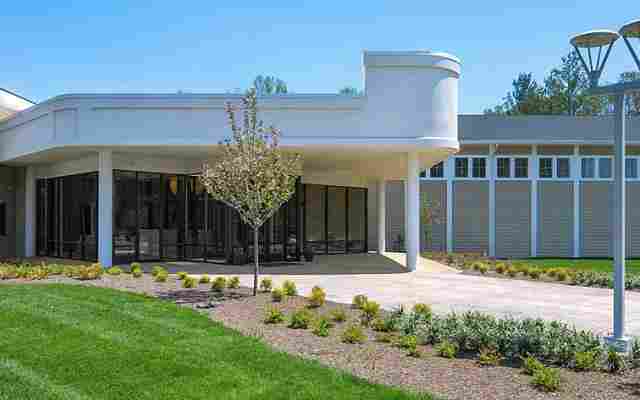
Recovery Centers of America at Indianapolis
Verified Center
This provider's information has been quality-checked by Recovery.com's Research Team for accuracy and completeness, including center verification through appropriate third-party organizations.
Treatment Focus
This center treats substance use disorders and mental health conditions. You'll receive individualized care catered to your unique situation and diagnosis, learn practical skills for recovery, and make new connections in a restorative environment.
Primary Level of Care
Offering intensive care with 24/7 monitoring, residential treatment is typically 30 days and can cover multiple levels of care. Length can range from 14 to 90 days typically.
Treatment Focus
This center treats substance use disorders and mental health conditions. You'll receive individualized care catered to your unique situation and diagnosis, learn practical skills for recovery, and make new connections in a restorative environment.
Primary Level of Care
Offering intensive care with 24/7 monitoring, residential treatment is typically 30 days and can cover multiple levels of care. Length can range from 14 to 90 days typically.
Provider's Policy
RCA is in-network with most major insurances and accept most out-of-network insurances. They take 6 Degrees Health, Allied Trades, American Behavioral, Behavioral Health Systems, 1199SEIU, Emblem GHI, First Choice, GIC/Unicare, Health Link, Healthsmart, Healthcare Transformation Consortium, Independence Administrators, Indiana Pathways for Aging, Indiana University Health Plan, Mental Health Consultants, Meritain, MHS, New Avenues, Oxford, Physician Health of Northern Indiana, PNOA, Quest Behavioral Health, Suburban Health Organization, VACCN, Sentara, ELAP, Instil Health, and the ones in the list.
Recovery Centers of America at Indianapolis
About Recovery Centers of America at Indianapolis
Ranked #2 in Indiana on Newsweek’s 2024 list of America’s Best Addiction Centers, RCA at Indianapolis delivers clinically proven care with signature compassion. They treat substance use disorders and mental health conditions through a full continuum of services, including medically monitored detox, residential treatment, and day treatment and intensive outpatient programs (in-person or virtual). They admit clients 24/7, accept most insurance, and provide transportation, intervention, and family support services when needed.
Navigate Recovery with 6 Guiding Principles
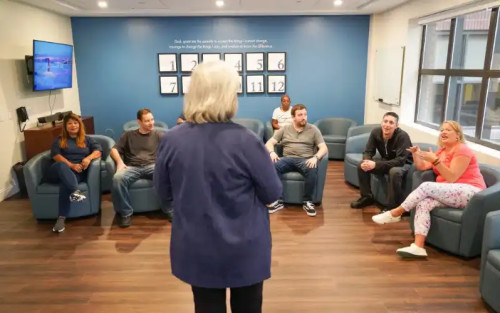
RCA applies six core tenets they’ve determined essential for every client to achieve sustained recovery. These include medications to reduce cravings and prevent relapse, daily 12-step meetings for peer support, and dialectical behavior therapy (DBT) skills training to manage emotions and cope with challenges. Clients also benefit from family involvement, strong alumni connections after discharge, and care that’s guided by real-time progress tracking to adapt and improve treatment along the way.
Recharge in a Restorative Setting
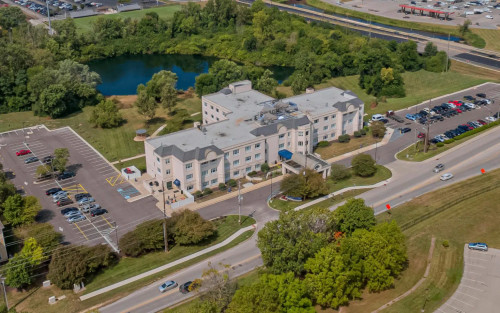
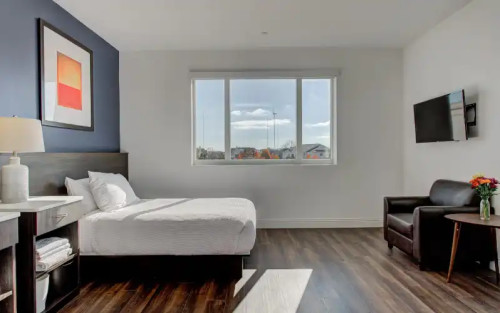
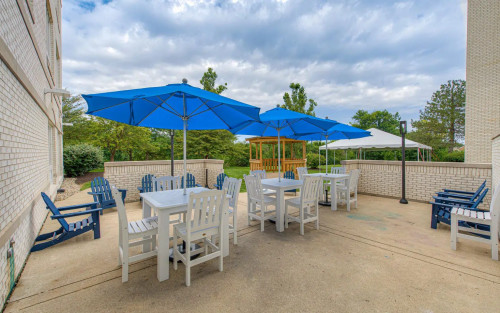
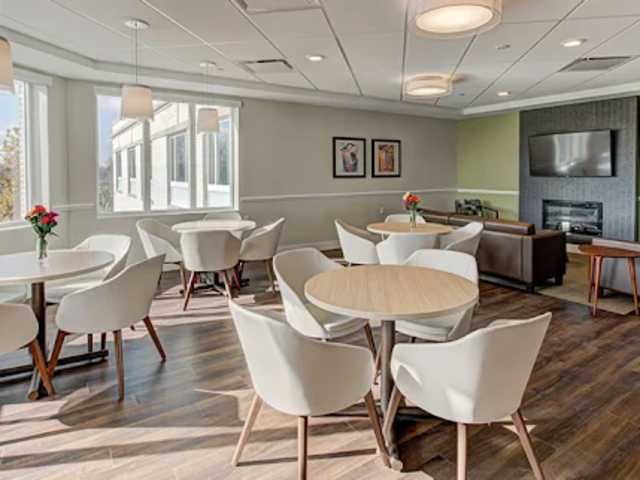
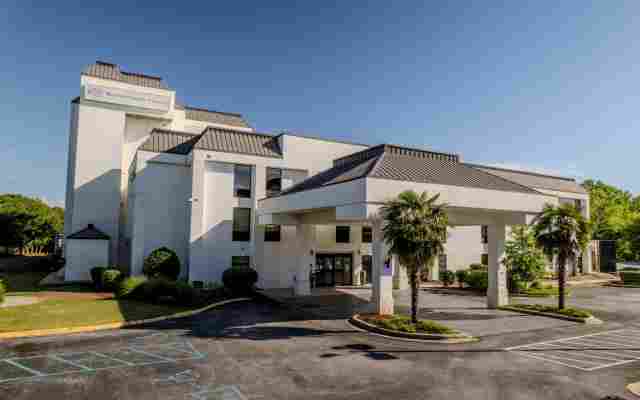
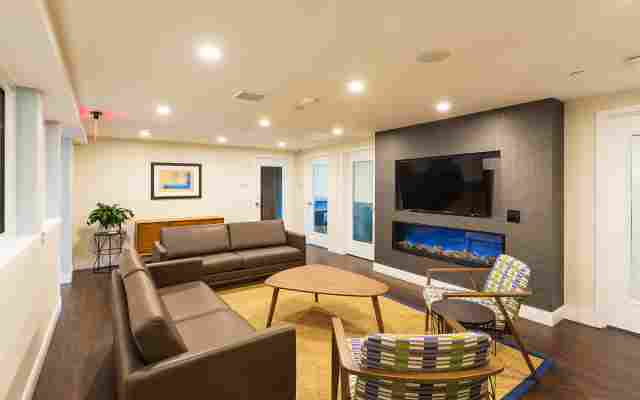
Located at the “Crossroads of America,” RCA at Indianapolis offers clients a retreat from the stresses of everyday life to focus on recovery. Semi-private rooms feature flat-screen TVs and individual bathrooms for added comfort. Clients enjoy a modern gym, outdoor recreation like volleyball and disc golf, and a peaceful pond for fishing. Fresh, homemade meals and welcoming common areas help create a supportive, restorative atmosphere throughout the treatment experience.
Stay Supported with a Thriving Alumni Network
RCA’s alumni association helps clients stay supported and inspired long after treatment ends. They offer ongoing recovery meetings and sober events like movies, sports, and picnics to bring alumni together for fun, fellowship, and connection. Many events allow alumni to invite family and friends, so their support system can play an active role in recovery.
Highlights from the Center
Highlights
These highlights are provided by and paid for by the center.
Therapeutic Location
Customized Treatment Plans
Perfect for Professionals
Tech Friendly
Center Overview

Treatment Focus
This center treats substance use disorders and mental health conditions. You'll receive individualized care catered to your unique situation and diagnosis, learn practical skills for recovery, and make new connections in a restorative environment.
Joint Commission Accredited
The Joint Commission accreditation is a voluntary, objective process that evaluates and accredits healthcare organizations (like treatment centers) based on performance standards designed to improve quality and safety for patients. To be accredited means the treatment center has been found to meet the Commission's standards for quality and safety in patient care.
Insurance Accepted
Cash Pay Rates
Estimated Cash Pay Rate
Center pricing can vary based on program and length of stay. Contact the center for more information. Recovery.com strives for price transparency so you can make an informed decision.
Meet Your Care Team

Christine Schultz
CEO for Indianapolis

Jason Kirby
Chief Medical Officer
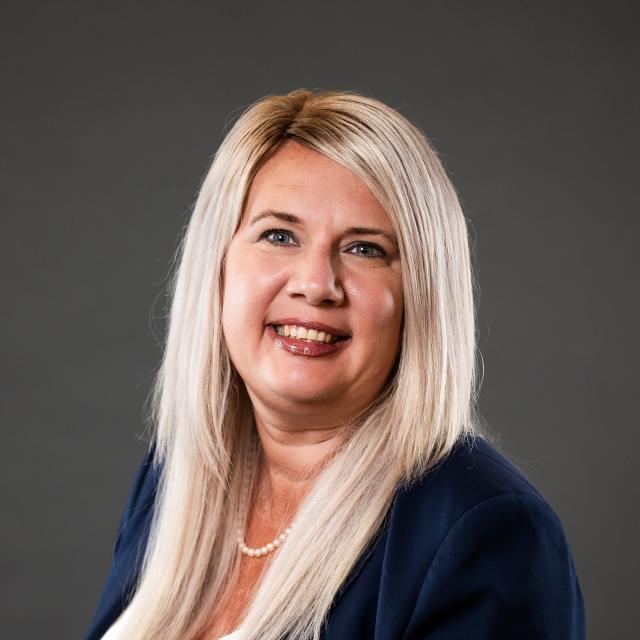
Ashley Gardner
VP of Nursing

Pete Vernig
VP of Mental Health Services

Jaye Rodenbush
Director of Alumni Engagement
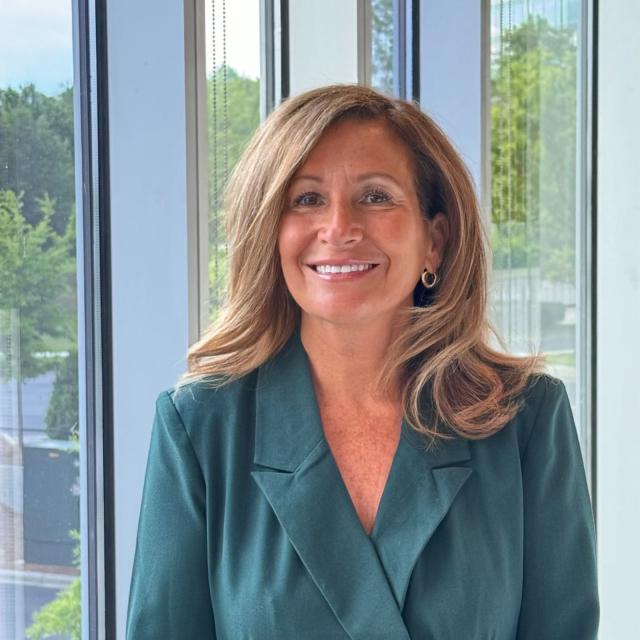
Stacey Hodgman
Director of Case Management

Desmond Kane
Interventionist Manager
MA, CADC

Dr. Will Cooke
Medical Director
MD, FAAFP, FASAM, AAHIVS

Darius Brannon
Clinical Director
MSEd, LCAC, LICDC

Amanda Hildebrandt
Training Coordinator
BS, CADAC II

Sam Scheib
Alumni Coordinator for Indianapolis

Jennifer Sharaba
HR Business Partner

Mark West
IT Technician


Levels of Care
Your Care Options
Specializations
Anxiety
Anxiety is a common mental health condition that can include excessive worry, panic attacks, physical tension, and increased blood pressure.
Detox
Detox fully and safely removes toxic substances from the body, allowing the next steps in treatment to begin with a clean slate.
Co-Occurring Disorders
A person with multiple mental health diagnoses, such as addiction and depression, has co-occurring disorders also called dual diagnosis.
Flexible technology policies
Centers with flexible technology policies allow professionals to stay in touch with work and give patients a greater sense of connection and normalcy.
Intensive Outpatient Program
In an IOP, patients live at home or a sober living, but attend treatment typically 9-15 hours a week. Most programs include talk therapy, support groups, and other methods.
Professionals
Busy, high-ranking professionals get the personalized treatment they need with greater accommodations for work, privacy, and outside communication.
Residential
In a residential rehab program, patients live onsite, with access to daily treatment and 24-hour care. An average stay is 30-90 days.
Who We Treat
Executives
Executive treatment programs typically directly support the needs of people who manage businesses and may provide flexible schedules and office space to allow work during treatment.
Men and Women
Men and women attend treatment for addiction in a co-ed setting, going to therapy groups together to share experiences, struggles, and successes.
Pregnant Women
Addiction and mental health treatment meets the clinical and psychological needs of pregnant women, ensuring they receive optimal care in all areas.
Professionals
Busy, high-ranking professionals get the personalized treatment they need with greater accommodations for work, privacy, and outside communication.
Approaches
Evidence-Based
A combination of scientifically rooted therapies and treatments make up evidence-based care, defined by their measured and proven results.
Family Involvement
Providers involve family in the treatment of their loved one through family therapy, visits, or both–because addiction is a family disease.
Twelve Step
Incorporating spirituality, community, and responsibility, 12-Step philosophies prioritize the guidance of a Higher Power and a continuation of 12-Step practices.
Therapies
1-on-1 Counseling
Patient and therapist meet 1-on-1 to work through difficult emotions and behavioral challenges in a personal, private setting.
Art Therapy
Visual art invites patients to examine the emotions within their work, focusing on the process of creativity and its gentle therapeutic power.
Family Therapy
Family therapy addresses group dynamics within a family system, with a focus on improving communication and interrupting unhealthy relationship patterns.
Life Skills
Teaching life skills like cooking, cleaning, clear communication, and even basic math provides a strong foundation for continued recovery.
Meditation & Mindfulness
A practiced state of mind that brings patients to the present. It allows them to become fully aware of themselves, their feelings, and the present moment.
Music Therapy
Singing, performing, and even listening to music can be therapeutic. Music therapy sessions are facilitated by certified counselors.
Online Therapy
Patients can connect with a therapist via videochat, messaging, email, or phone. Remote therapy makes treatment more accessible.
Languages
Conditions We Treat
ADHD, ADD
ADHD is a common mental health condition caused by dopamine imbalance. Common symptoms include inattention, hyperactivitiy, and impulsivity.
Anxiety
Anxiety is a common mental health condition that can include excessive worry, panic attacks, physical tension, and increased blood pressure.
Bipolar
This mental health condition is characterized by extreme mood swings between depression, mania, and remission.
Depression
Symptoms of depression may include fatigue, a sense of numbness, and loss of interest in activities. This condition can range from mild to severe.
Obsessive Compulsive Disorder (OCD)
OCD is characterized by intrusive and distressing thoughts that drive repetitive behaviors. This pattern disrupts daily life and relationships.
Personality Disorders
Personality disorders destabilize the way a person thinks, feels, and behaves. If untreated, they can undermine relationships and lead to severe distress.
Post Traumatic Stress Disorder
PTSD is a long-term mental health issue caused by a disturbing event or events. Symptoms include anxiety, dissociation, flashbacks, and intrusive thoughts.
Schizophrenia
Schizophrenia is a serious mental health condition that causes hallucinations, delusions, and disordered thinking.
Stress
Stress is a natural reaction to challenges, and it can even help you adapt. However, chronic stress can cause physical and mental health issues.
Substances We Treat
Alcohol
Using alcohol as a coping mechanism, or drinking excessively throughout the week, signals an alcohol use disorder.
Benzodiazepines
Benzodiazepines are prescribed to treat anxiety and sleep issues. They are highly habit forming, and their abuse can cause mood changes and poor judgement.
Co-Occurring Disorders
A person with multiple mental health diagnoses, such as addiction and depression, has co-occurring disorders also called dual diagnosis.
Cocaine
Cocaine is a stimulant with euphoric effects. Agitation, muscle ticks, psychosis, and heart issues are common symptoms of cocaine abuse.
Drug Addiction
Drug addiction is the excessive and repetitive use of substances, despite harmful consequences to a person's life, health, and relationships.
Ecstasy
Ecstasy is a stimulant that causes intense euphoria and heightened awareness. Abuse of this drug can trigger depression, insomnia, and memory problems.
Heroin
Heroin is a highly addictive and illegal opioid. It can cause insomnia, collapsed veins, heart issues, and additional mental health issues.
Aftercare
Care Designed for Your Needs
Personal Amenities
Amenities
Special Considerations
Healthy Meals are provided
Great food meets great treatment, with providers serving healthy meals to restore nutrition, wellbeing, and health.
Pet Friendly
For greater comfort and healing, pet-friendly treatment centers welcome dogs and animal companions to stay with their owners while they attend treatment.
Clients can bring their own pet(s)
For greater comfort and healing, pet-friendly treatment centers welcome dogs and animal companions to stay with their owners while they attend treatment.
Flexible technology policies
Centers with flexible technology policies allow professionals to stay in touch with work and give patients a greater sense of connection and normalcy.
Activities
Yoga
Yoga is both a physical and spiritual practice. It includes a flow of movement, breathing techniques, and meditation.