This provider's information has been quality-checked by Recovery.com's Research Team for accuracy and completeness, including center verification through appropriate third-party organizations.
This center treats substance use disorders and co-occurring mental health conditions. Your treatment plan addresses each condition at once with personalized, compassionate care for comprehensive healing.
Recovery coaching is a type of support service designed to help individuals maintain their recovery goals, provide guidance and support, and connect them with resources and community-based services.
This center treats substance use disorders and co-occurring mental health conditions. Your treatment plan addresses each condition at once with personalized, compassionate care for comprehensive healing.
Recovery coaching is a type of support service designed to help individuals maintain their recovery goals, provide guidance and support, and connect them with resources and community-based services.
You pay directly for treatment out of pocket. This approach can offer enhanced privacy and flexibility, without involving insurance. Exact costs vary based on program and length of stay. Contact the center for specific details.
The Lighthouse Recovery 365 is for people who want support in recovery. Whether someone is just starting out, returning after a setback, or looking for steady ground long term, The Lighthouse offers recovery coaching for men, women, and families. Instead of a rigid program, Recovery 365 provides flexible, ongoing coaching that helps individuals build tools and community in the real world. Recovery 365 can be accessed on its own or alongside Lighthouse’s sober living program.
Recovery 365 is for people who want to stop doing recovery alone. Clients work with a professional coach who shows up consistently and helps make recovery feel doable. Each client is seen as the greatest resource in shaping their own path to recovery, with coaching that respects personal choice and lived experience. With regular in-person meetings, daily check-ins, and support that adjusts as needs change, no one is left to figure things out alone. Coaching is backed by accountability tools and coordination with therapists and family members, with more intensive support available when extra help is needed.
Recovery 365 helps people build recovery capital through support that makes recovery last. Recovery capital is what helps people not just get sober, but stay well. It’s the strength that comes from Lighthouse-facilitated weekly recovery dinners, ongoing social activities, wellness-focused support groups, and facilitated virtual groups for clients and family members.
These highlights are provided by and paid for by the center.
Perfect for Professionals
Certified Professionals
Utmost Confidentiality
Addiction Recovery
This center treats substance use disorders and co-occurring mental health conditions. Your treatment plan addresses each condition at once with personalized, compassionate care for comprehensive healing.


Recovery.com Verified Listing
Recovery.com verified that the name, location, contact information and license to operate for this treatment provider are valid and up-to-date.

Licensed by Connecticut

NAATP Member
Recovery.com is an independent, third-party mental health resource. Verification does not imply endorsement and does not guarantee the quality of treatment services.

Cini Shaw
Chief Recovery Officer
MA, AADC, CASAC, NCPRSS

Trey Laird
CEO and Founder
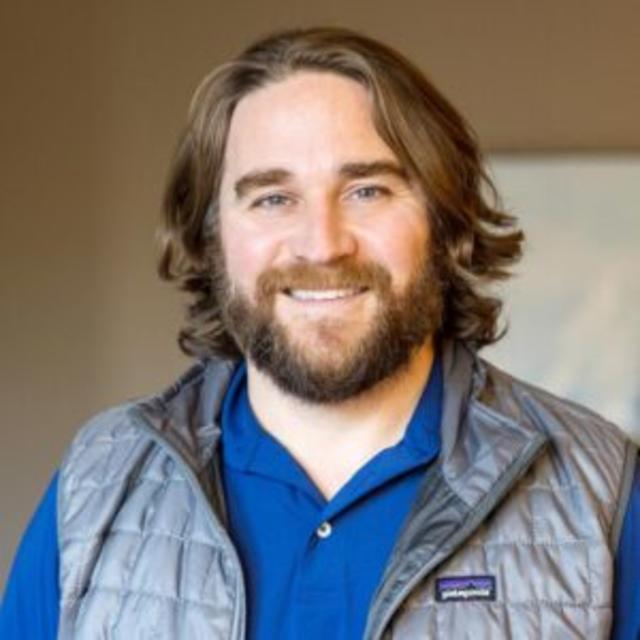
Christopher O'Hara
Recovery Coach
CCAR Recovery Coach Professional (RCP)

Philippa Doyle
Recovery Coach
CCAR Recovery Coach Professional (RCP)

Dave Cator
Recovery Coach
CCAR Recovery Coach Professional

COURTNEY POMRINK
Recovery Coach
CCAR Recovery Coach Professional

Peter Krieger
Recovery Coach
CCAR Recovery Coach Professional

Stephanie Weiss
Recovery Coach
CCAR Recovery Coach Professional
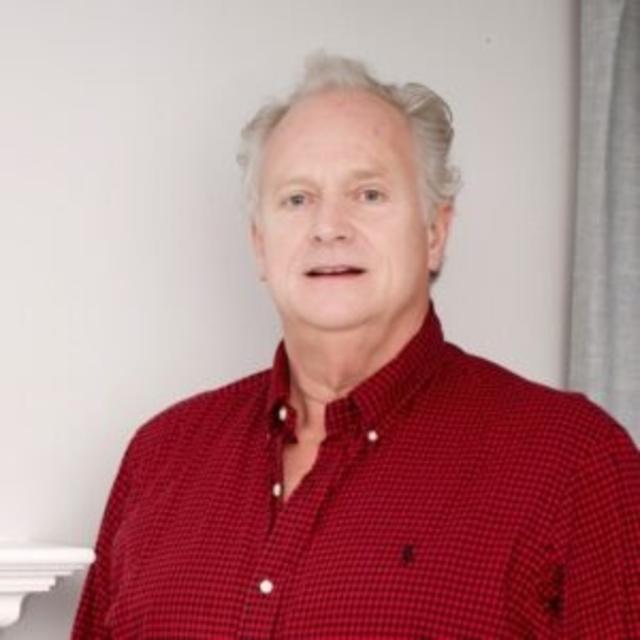
David Mckenna
Recovery Coach
CCAR Recovery Coach Professional

David Czaja
Director, Men’s Recovery Coaching

A support service designed to help individuals identify and maintain their personal recovery goals, provide guidance and support, and connect them with recovery resources and community-based services.
Using alcohol as a coping mechanism, or drinking excessively throughout the week, signals an alcohol use disorder.
Cocaine is a stimulant with euphoric effects. Agitation, muscle ticks, psychosis, and heart issues are common symptoms of cocaine abuse.
Heroin is a highly addictive and illegal opioid. It can cause insomnia, collapsed veins, heart issues, and additional mental health issues.
Methamphetamine, or meth, increases energy, agitation, and paranoia. Long-term use can result in severe physical and mental health issues.
Opioids produce pain-relief and euphoria, which can lead to addiction. This class of drugs includes prescribed medication and the illegal drug heroin.
It's possible to abuse any drug, even prescribed ones. If you crave a medication, or regularly take it more than directed, you may have an addiction.
Professionals who helps guide loved ones through an intervention to help someone overcome addiction or mental health issues. They may also help clients find treatment centers and navigate the recovery process.
Men and women attend treatment for addiction in a co-ed setting, going to therapy groups together to share experiences, struggles, and successes.
A support service designed to help individuals identify and maintain their personal recovery goals, provide guidance and support, and connect them with recovery resources and community-based services.
Professionals who helps guide loved ones through an intervention to help someone overcome addiction or mental health issues. They may also help clients find treatment centers and navigate the recovery process.
Individual care meets the needs of each patient, using personalized treatment to provide them the most relevant care and greatest chance of success.
The specific needs, histories, and conditions of individual patients receive personalized, highly relevant care throughout their recovery journey.
Patient and therapist meet 1-on-1 to work through difficult emotions and behavioral challenges in a personal, private setting.
Family therapy addresses group dynamics within a family system, with a focus on improving communication and interrupting unhealthy relationship patterns.
Using alcohol as a coping mechanism, or drinking excessively throughout the week, signals an alcohol use disorder.
Benzodiazepines are prescribed to treat anxiety and sleep issues. They are highly habit forming, and their abuse can cause mood changes and poor judgement.
A person with multiple mental health diagnoses, such as addiction and depression, has co-occurring disorders also called dual diagnosis.
Cocaine is a stimulant with euphoric effects. Agitation, muscle ticks, psychosis, and heart issues are common symptoms of cocaine abuse.
Drug addiction is the excessive and repetitive use of substances, despite harmful consequences to a person's life, health, and relationships.
Heroin is a highly addictive and illegal opioid. It can cause insomnia, collapsed veins, heart issues, and additional mental health issues.
Methamphetamine, or meth, increases energy, agitation, and paranoia. Long-term use can result in severe physical and mental health issues.
Opioids produce pain-relief and euphoria, which can lead to addiction. This class of drugs includes prescribed medication and the illegal drug heroin.
Synthetic drugs are made in a lab, unlike plant-based drugs like mushrooms. Most synthetic drugs are either stimulants or synthetic cannabinoids.