Find Treatment By
Rehabs by Location


Learn
About Us
Recovery.com combines independent research with expert guidance on addiction and mental health treatment. Our mission is to help everyone find the best path to recovery through the most comprehensive, helpful network of treatment providers worldwide.
Advisory Council
Our advisory council brings together leaders in behavioral health, technology, and business. Their diverse expertise ensures our resources and product are innovative, evidence-based, and effective. They guide our mission as accomplished individuals dedicated to improving the landscape of addiction recovery and mental wellness.
What Is Orthorexia? 10 Expert Answers to the Internet’s Most Searched Orthorexia Questions


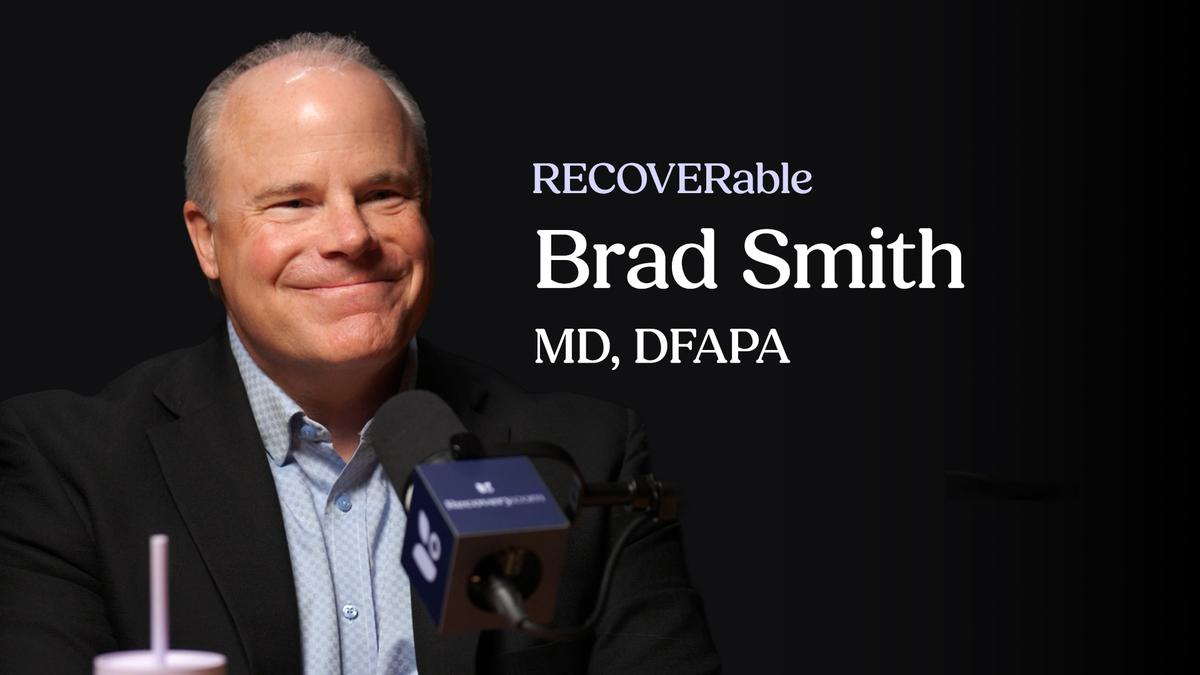
Wanting to eat nutritious foods is not inherently a problem. But what happens when eating “clean” or “pure” becomes an obsession that dictates what you eat, where you go, and how you feel about yourself?
That is the concern behind orthorexia, a pattern of restrictive eating centered on consuming foods a person considers healthy or pure. Dr. Brad Smith explains that the problem is not simply choosing nutritious foods. It is when those choices become so rigid and extreme that they begin affecting a person’s nutrition, mental health, relationships, or everyday life.
Here, Dr. Smith answers 10 common questions about orthorexia, including how to recognize it, why it can become dangerous, and what recovery may look like.
1. What Is Orthorexia?
Orthorexia is an eating disorder that involves restricting or manipulating food choices in pursuit of foods a person believes are especially healthy or “pure.” Unlike simply trying to improve nutrition, the pursuit of healthy eating can become increasingly rigid and consuming.
The Pursuit of “Pure” Food Can Become Extreme
Dr. Smith describes a “mission-driven” quality to orthorexia. A person may become focused on foods they consider unspoiled, minimally processed, free from preservatives, or sourced in a particular way.
The intention may initially be positive. In fact, Dr. Smith points out that people generally do not set out to develop an eating disorder. The problem occurs when the pursuit of health becomes so extreme that the person's diet no longer provides adequate nutrition or the rules surrounding food begin controlling their life.
Explore Eating Disorders Treatment Centers
2. When Does Healthy Eating Become Orthorexia?
Healthy eating generally allows room for flexibility. Orthorexia can make following certain food rules feel mandatory.
Reading an ingredient label, limiting certain foods, or trying to eat more nutritious foods does not automatically indicate an eating disorder. The concern is how extreme the behavior becomes and how much it interferes with everyday life.
Obsession and Rigidity Are Important Warning Signs
Dr. Smith uses reading food labels as an example. Reading a label once to understand what is in a food is very different from reading it five or six times because you cannot stop worrying about the ingredients.
Similarly, someone may become unwilling to eat anything containing an unfamiliar ingredient or refuse food when they cannot verify exactly how it was prepared.
When thoughts about food become difficult to let go of or food rules begin interfering with normal activities, the behavior has moved beyond simply trying to make healthy choices.
3. What Are the Signs and Symptoms of Orthorexia?
Orthorexia can be difficult to recognize because the person's food choices may initially look exceptionally healthy.
Signs may include increasingly limited food variety, excessive time spent thinking about ingredients or sourcing, repeatedly checking labels, avoiding restaurants, and withdrawing from meals with family or friends.
Watch for Changes in Everyday Life
One of the clearest warning signs is when eating habits begin changing how someone interacts with the world.
Dr. Smith recommends paying attention to whether a person is removing themselves from normal social activities because of food. They may stop eating meals with family, avoid gatherings at other people's homes, or turn down restaurants because they cannot control the ingredients or preparation.
The more time someone spends obsessing about food and the smaller their acceptable food list becomes, the more concerning the pattern may be.
4. Can You Have Orthorexia Without Wanting to Lose Weight?
Yes. Dr. Smith says he has worked with many people with orthorexia who never intended to lose weight or reach a particular body size.
Instead, the driving question may be, “Am I eating the right things for my body?”
Weight Loss May Be a Consequence, Not the Goal
Someone with orthorexia can lose weight because they have eliminated so many foods that they are no longer meeting their nutritional needs. However, that does not necessarily mean weight loss motivated the restriction.
Dr. Smith notes that some people may have overlapping body image concerns, but orthorexia is typically more focused on whether foods are healthy, pure, or acceptable than on achieving a particular number on the scale or clothing size.
5. What Is the Difference Between Orthorexia and Anorexia?
Orthorexia and anorexia nervosa can both involve significant food restriction. The major distinction Dr. Smith highlights is why the person is restricting.
The Motivation Behind Restriction Is Different
With orthorexia, the person may believe, “I need to eat as pure as possible” or that foods must be sourced in a particular way to benefit their health.
With anorexia nervosa, restriction is more commonly connected to changing weight, body size, shape, or appearance.
A person with orthorexia may ultimately lose weight, but Dr. Smith explains that this is often a consequence of increasingly restrictive eating rather than the original purpose of the behavior.
6. Is Orthorexia Related to OCD or Anxiety?
There can be considerable overlap between orthorexia, anxiety, and obsessive tendencies, or obsessive compulsive disorder (OCD).
Dr. Smith says orthorexia appears more frequently among people who have an underlying tendency toward anxiety or obsessive ways of interacting with the world.
Food Thoughts Can Become Difficult to Let Go Of
The obsessive component can appear in constant thoughts about the next meal, where food came from, whether it is sufficiently “pure,” or whether an ingredient is acceptable.
Breaking a food rule can also cause significant emotional distress. Dr. Smith describes people experiencing remorse, self-loathing, or becoming unable to stop thinking about what they ate.
For some people, these thoughts can become so persistent that they interfere with sleep and other parts of everyday life.
7. Can Social Media Make Orthorexia Worse?
Yes. Social media can reinforce restrictive ideas about food, particularly among people who may already be vulnerable to developing an eating disorder.
Clean-eating, fitness, and wellness influencers may promote dietary changes with positive intentions. However, their messages can affect different people in very different ways.
Wellness Advice Can Be Taken to an Extreme
Dr. Smith points out that “influencers influence people.” Someone who eats mostly fast food or ultra-processed foods may benefit from incorporating a greater variety of nutritious foods.
But another person may take the same message much further. Over time, recommendations about eating “clean” can turn into increasingly restrictive rules.
For someone predisposed to disordered eating, Dr. Smith says that process can become a “slippery slope” toward extreme restriction.
8. Is Orthorexia Dangerous?
It can be. Dr. Smith emphasizes that orthorexia, like other restrictive eating disorders, can become medically dangerous and potentially life-threatening.
The fact that the foods someone eats are considered healthy does not guarantee that their overall diet is healthy.
Severe Restriction Can Lead to Malnutrition
Someone could eat foods such as vegetables and salads while still becoming severely malnourished if those foods are not providing enough energy and nutrients.
Orthorexia can involve eliminating entire food categories, which may make it difficult to get adequate macronutrients, vitamins, and minerals.
When restriction becomes severe enough, Dr. Smith explains that malnutrition can affect multiple organ systems and become life-threatening.
9. Is Orthorexia in the DSM-5?
Orthorexia does not currently have its own distinct diagnostic category in the Diagnostic and Statistical Manual of Mental Disorders (DSM-5).
Dr. Smith explains that one major reason is how relatively new the concept is compared with eating disorders such as anorexia nervosa.
Researchers Are Still Defining Orthorexia
The term only emerged in the late 1990s, and researchers are still working to determine which characteristics should be used to reliably identify the disorder.
Dr. Smith explains that establishing a DSM diagnosis requires research into which criteria are reliable and valid across studies. Orthorexia has not yet accumulated the same level of research needed to establish its own agreed-upon diagnostic criteria.
Clinically significant eating patterns that do not fit another established diagnosis may be addressed under other specified feeding or eating disorder (OSFED) when appropriate.
10. How Is Orthorexia Treated?
Treatment for orthorexia can look similar to treatment for other eating disorders because the condition can affect physical health, psychological well-being, nutrition, and social functioning.
Dr. Smith says treatment is often best provided through a multidisciplinary team.
Treatment Addresses Both Nutrition and Mental Health
A dietitian may help someone increase food variety and volume so their nutritional needs are met. Mental health professionals can address the anxiety, obsessive thoughts, and rigid beliefs surrounding food.
Medical providers and nurses may also monitor the physical effects of restriction, particularly when someone has become malnourished.
For people who have been severely restricting food, nutritional restoration may need to happen gradually and under medical supervision because rapidly increasing intake can carry its own medical risks.
Final Thoughts
Orthorexia can be particularly difficult to recognize because it may start with good intentions and behaviors that other people praise. Eating nutritious foods is not the problem. The concern is when eating “correctly” becomes so important that there is little room left for flexibility, adequate nutrition, relationships, or peace of mind.
If your eating patterns, or those of someone you care about, have become increasingly restrictive or difficult to control, Dr. Smith recommends checking it out with a healthcare provider or eating disorder specialist. Eating disorder treatment centers can also provide screening and help determine whether additional support is appropriate.
Our Promise
How Is Recovery.com Different?
We believe everyone deserves access to accurate, unbiased information about mental health and recovery. That's why we have a comprehensive set of treatment providers and don't charge for inclusion. Any center that meets our criteria can list for free. We do not and have never accepted fees for referring someone to a particular center. Providers who advertise with us must be verified by our Research Team and we clearly mark their status as advertisers.
Our goal is to help you choose the best path for your recovery. That begins with information you can trust.