Peace Valley Recovery

Verified Center

This provider's information has been quality-checked by Recovery.com's Research Team for accuracy and completeness, including center verification through appropriate third-party organizations.

Substance Use and Mental Health

Treatment Focus

This center treats substance use disorders and mental health conditions. You'll receive individualized care catered to your unique situation and diagnosis, learn practical skills for recovery, and make new connections in a restorative environment.

Residential

Primary Level of Care

Offering intensive care with 24/7 monitoring, residential treatment is typically 30 days and can cover multiple levels of care. Length can range from 14 to 90 days typically.

4.9
(107)
Insurance

Provider's Policy

Our admissions team is here to help you understand your options when it comes to paying for treatment. Although every policy is different, there’s a good chance that if you have insurance it will cover at least a portion of your care.

Peace Valley helps individuals reclaim their lives from addiction and co-occurring mental health conditions. Their approach offers the structure people need while allowing them to stay connected to home, family, and daily life if needed. With multiple levels of care, including partial hospitalization programs and intensive outpatient programs with housing, clients receive rigorous treatment that works.

More than a Number—Feel Known and Supported

At Peace Valley, treatment is deeply personal because each client’s story is different. They don’t believe in one-size-fits-all or generic programming. Instead, each client receives a thoughtfully crafted treatment plan to reflect their needs, experiences, and goals. Small group therapy sizes ensure that no one gets lost in the crowd, while the close-knit community and hands-on staff create a level of attention and care that is hard to find. Through their approach, clients not only find temporary stability, but a foundation built on real connection and support.

Step away from Stress and into Healing

Located near the water and surrounded by green space, clients find space to reconnect with themselves away from the noise of daily life. The environment creates a sense of safety and calm, making it easy to focus on personal growth. In between sessions, clients can rest and recharge overlooking the waterfront views or on the walking paths.

Get Tools for Life after Treatment

The real work of recovery continues as clients return to daily life, so aftercare planning begins long before clients leave treatment. With ongoing therapy and support groups, relapse prevention tools and community resources, clients can navigate challenges with confidence and stay grounded in their recovery.
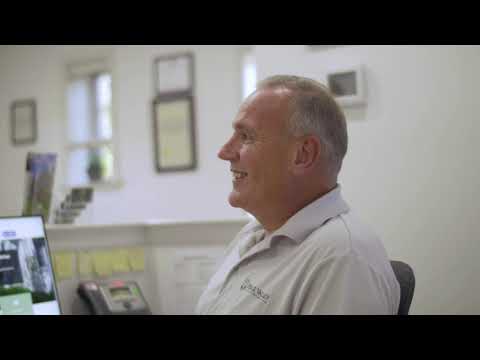
Peace Valley Recovery thumbnail

Highlights from the Center

Highlights

These highlights are provided by and paid for by the center.

  • 1-on-1 Counseling

  • Customized Treatment Plans

  • Holistic Approach

  • Family Owned & Operated

AT A GLANCE

Center Overview

Location
5230 York Rd, Doylestown, PA 18902 View Map
Primary Focus
This center treats substance use disorders and mental health conditions....

Treatment Focus

This center treats substance use disorders and mental health conditions. You'll receive individualized care catered to your unique situation and diagnosis, learn practical skills for recovery, and make new connections in a restorative environment.

Accreditation
CARF

CARF Accredited

CARF stands for the Commission on Accreditation of Rehabilitation Facilities. It's an independent, non-profit organization that provides accreditation services for a variety of healthcare services. To be accredited means that the program meets their standards for quality, effectiveness, and person-centered care.

Typical Program Length
30+ days
Founded in 2019
7 years in business
Substance Use We Treat
Alcohol, Benzodiazepines, Cocaine, Drug Addiction +3 More
How to pay

Insurance Accepted

United Healthcare
Aetna
Not Accepted
Not Accepted
Cigna
Anthem
Humana
Highmark
Carelon Behavioral Health
CareFirst
Provider's Policy: Our admissions team is here to help you understand your options when it comes to paying for treatment. Although every policy is different, there’s a good chance that if you have insurance it will cover at least a portion of your care.
Verify Insurance
Heal, Feel, and Grow through Personalized Therapies
At Peace Valley, therapy goes far beyond talk. Whether processing deep wounds through EMDR, building coping skills with cognitive behavioral therapy (CBT) or dialectical behavior therapy (DBT), or finding calm through sound, music, or aromatherapy, each approach supports mind, body, and emotions. Clients also have space to connect with themselves on horseback, out in nature, or in group settings through Dharma Recovery, SMART Recovery, or 12-Step groups.
Rebuild Life with a Daily Routine
Every day at Peace Valley is designed to help clients find their footing. Mornings begin with group therapy, setting a powerful tone to help clients process emotions and connect with others who understand. After a mid-morning break, they dive deep into therapy and skill-building, led by counselors who meet them where they are. Afternoon sessions bring real progress and healing conversations.
Make Recovery Feel Possible through Medication Management
For many clients, safe and carefully monitored medications can be a powerful part of the recovery journey. With the right care, certain medications can ease anxiety, improve mood, reduce cravings, and help clients feel more stable. When symptoms feel manageable, clients have the energy and clarity to fully engage in therapy and create lasting recovery.
Have Family Conversations that Heal
When a loved one struggles with addiction, the whole family carries the weight—confusion, resentment, and fear. But recovery doesn’t have to be a lonely journey. Their family program helps families break old patterns, rebuild trust, and finally have those honest conversations that need to be had. Through family education sessions, counseling, and self-care tools, family members can dive deep into healing.

Recovery.com Verified Listing

Recovery.com verified that the name, location, contact information and license to operate for this treatment provider are valid and up-to-date.

CARF Accredited

CARF Accredited

Licensed by Pennsylvania

Licensed by Pennsylvania

NAATP Member

NAATP Member

Recovery.com is an independent, third-party mental health resource. Verification does not imply endorsement and does not guarantee the quality of treatment services.

Staff

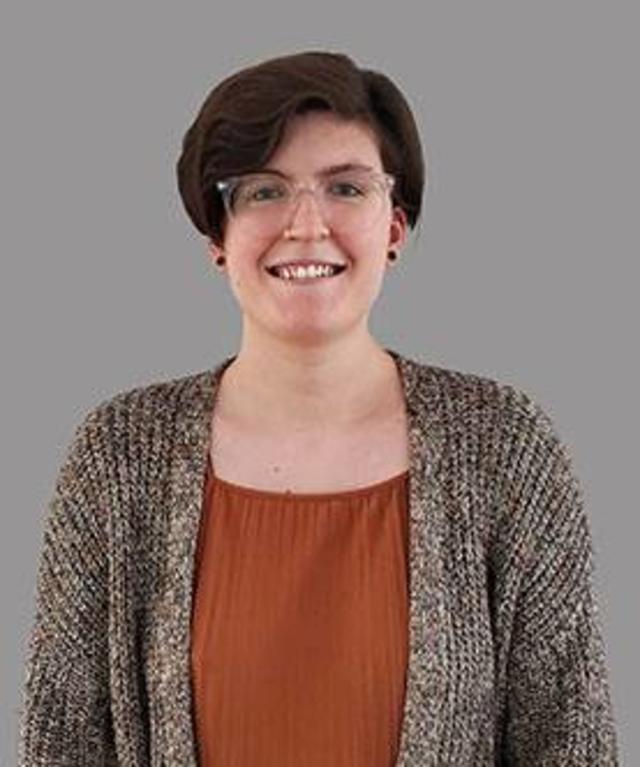
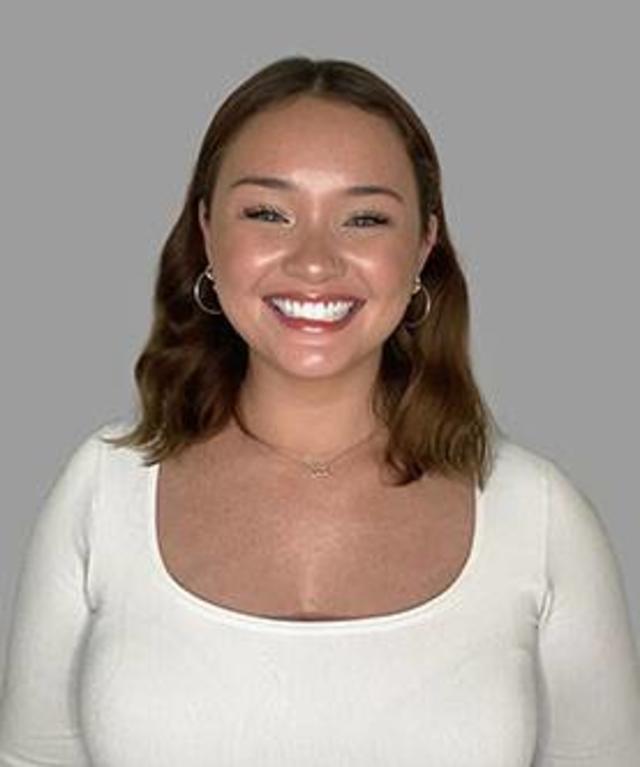
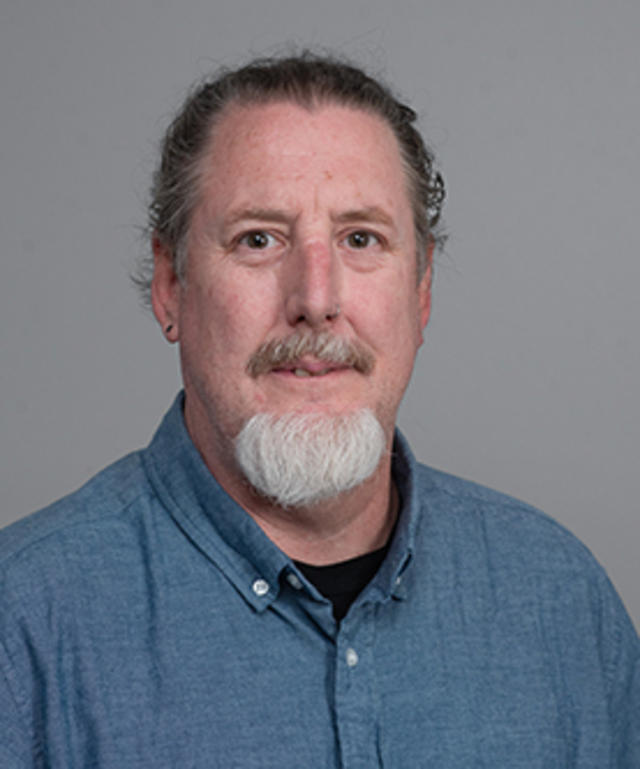
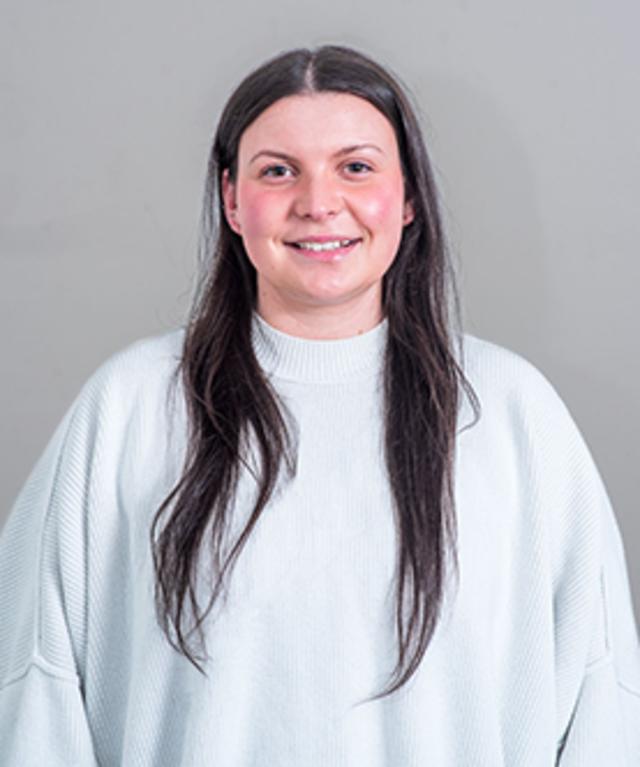
Meet Your Care Team

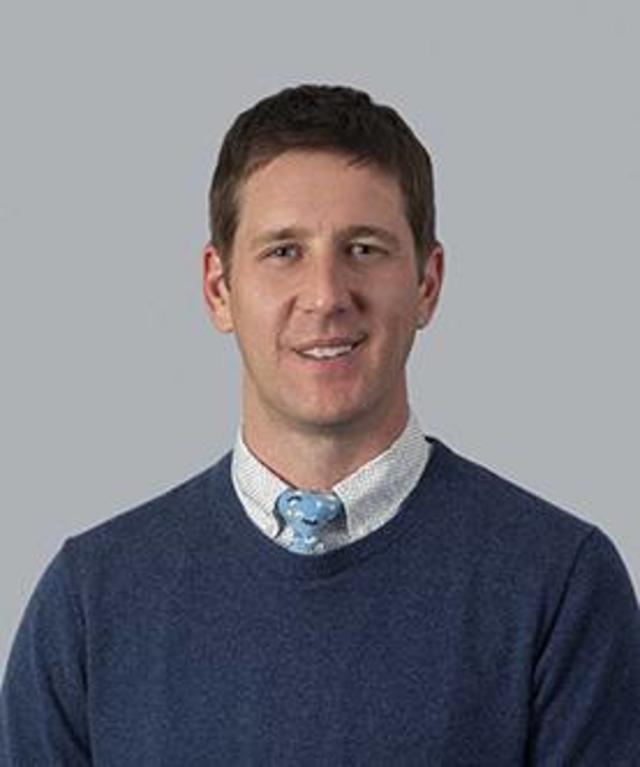
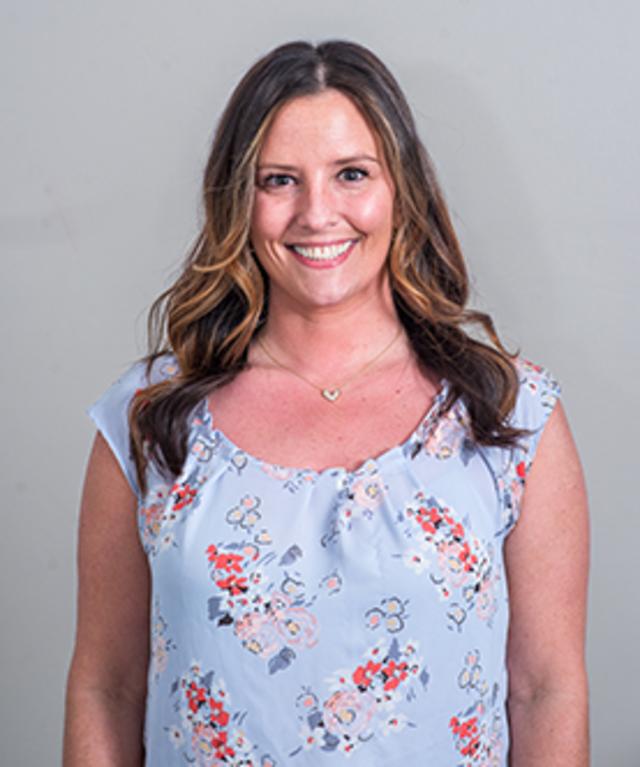
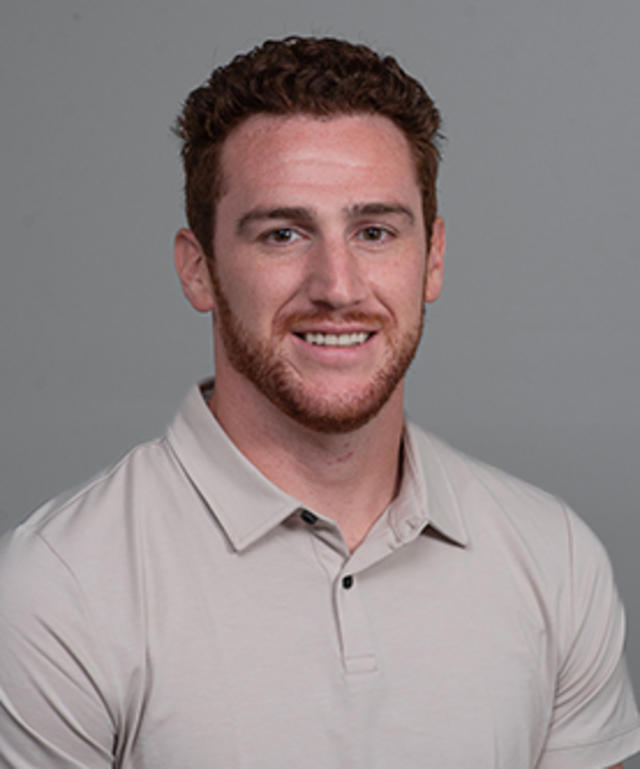
Michael Parker

Michael Parker

Chief Executive Officer
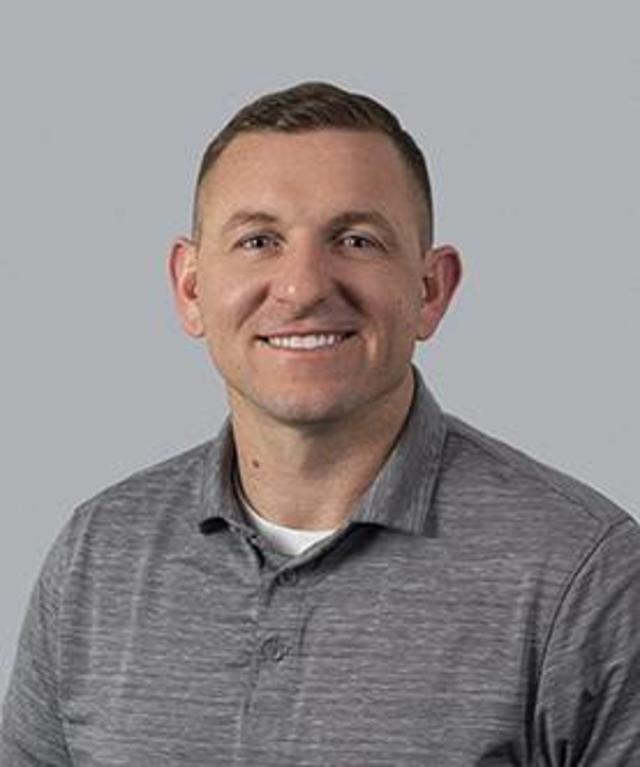
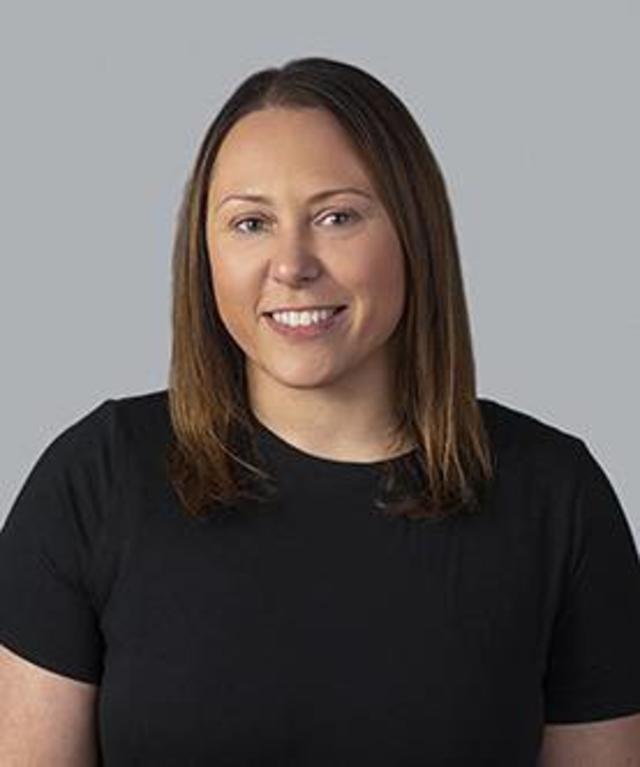
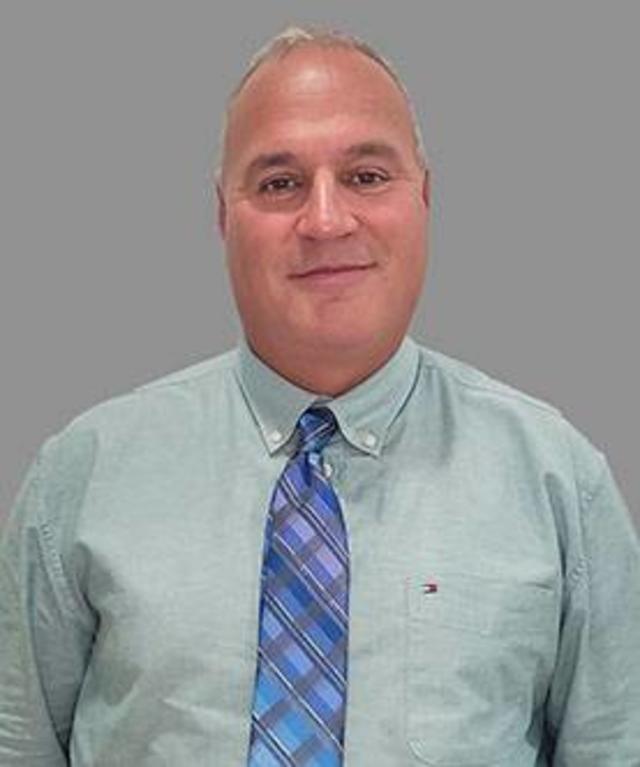
Stephen LaBar

Stephen LaBar

Chief Operating Officer
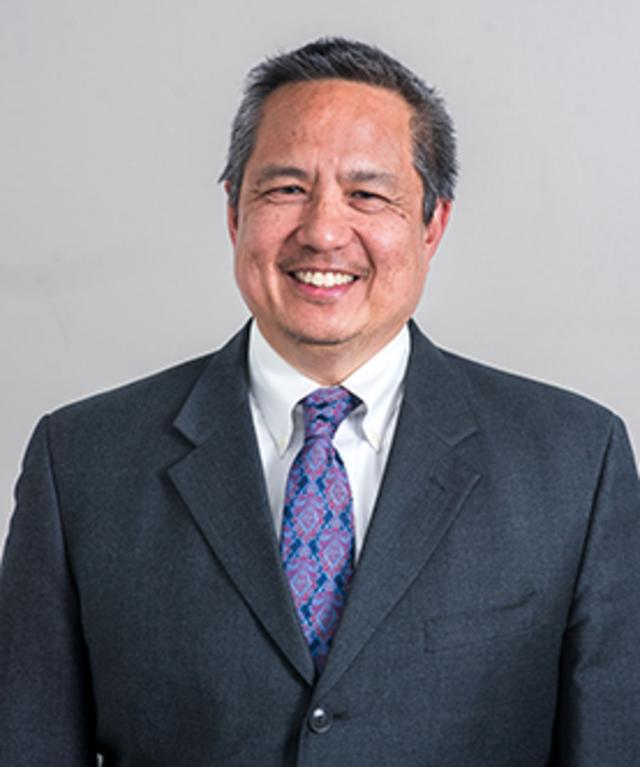
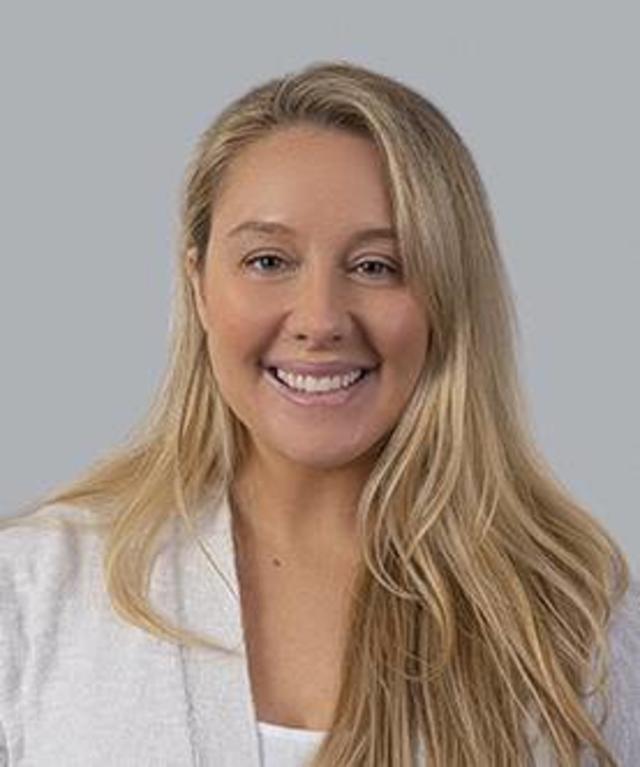
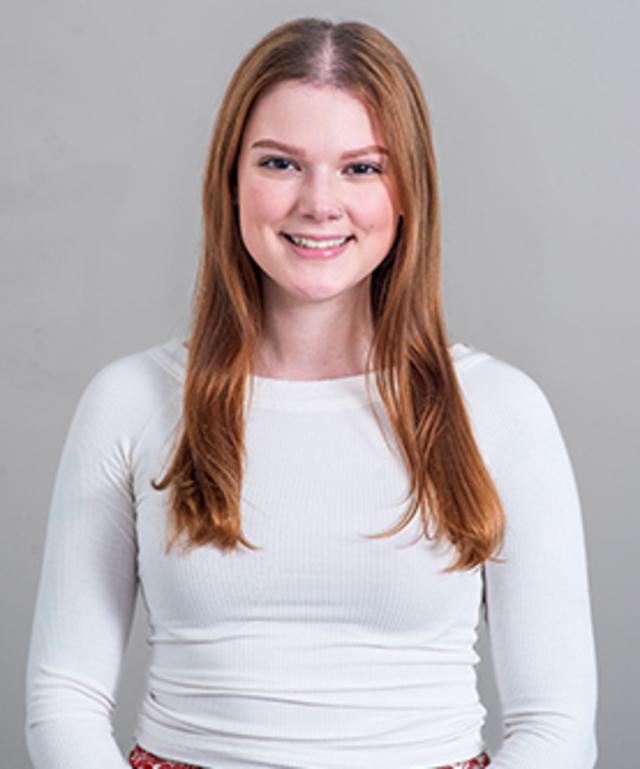
Dr. Nito Gan

Dr. Nito Gan

Medical Director

MD

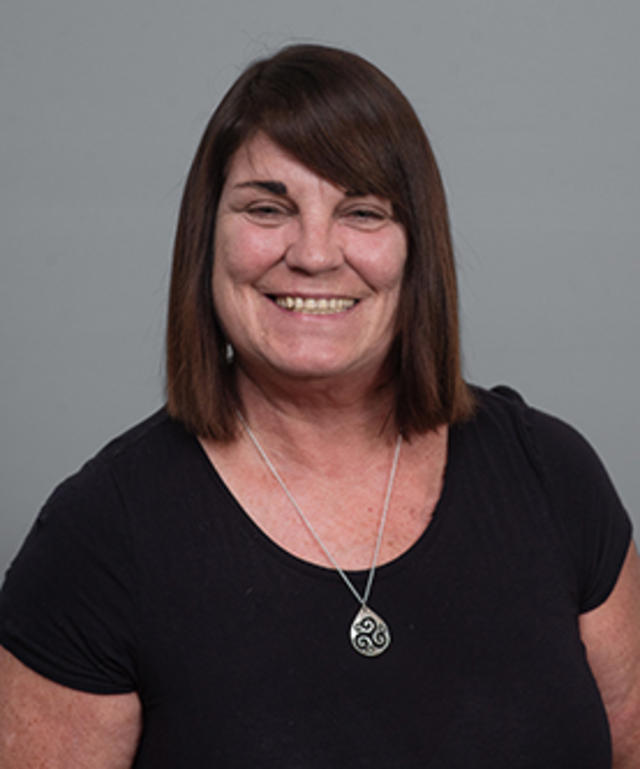
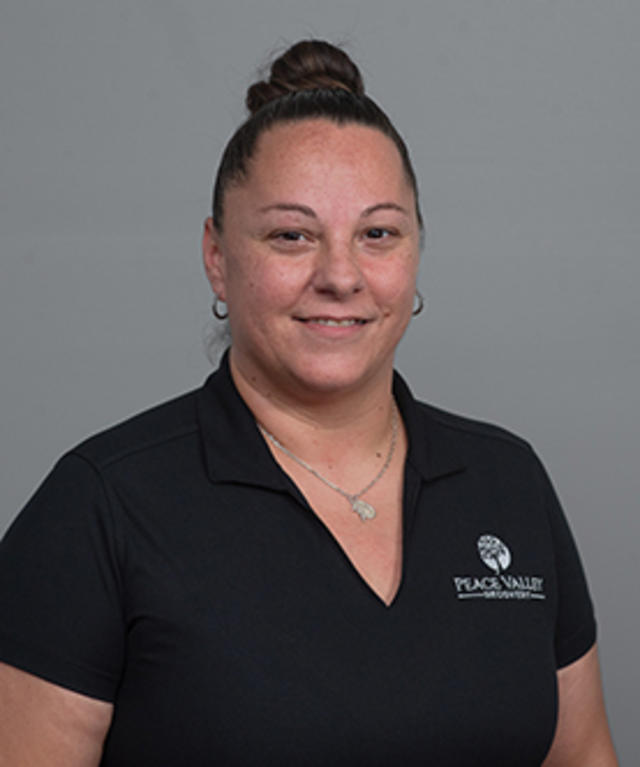
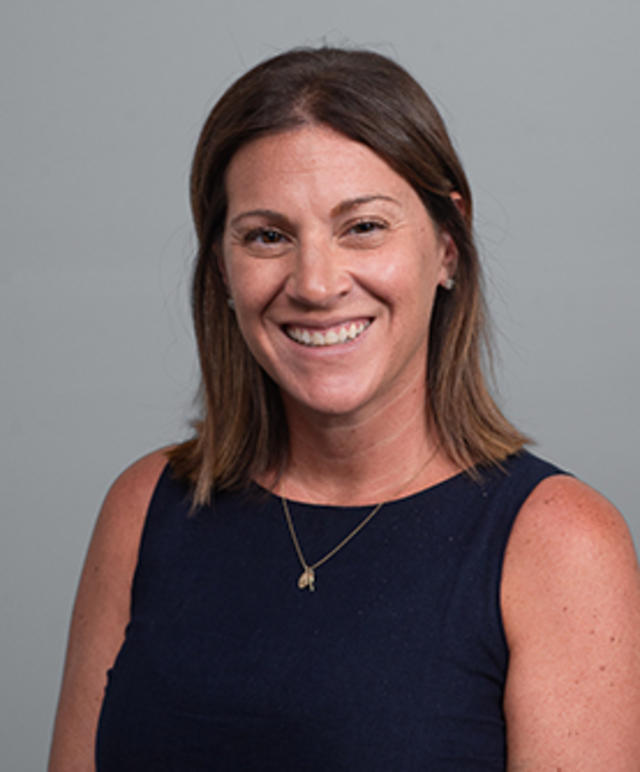
Monica Kras

Monica Kras

Clinical Therapist

Treatment

Your Care Options

Specializations

Alcohol

Alcohol

Using alcohol as a coping mechanism, or drinking excessively throughout the week, signals an alcohol use disorder.

Cocaine

Cocaine

Cocaine is a stimulant with euphoric effects. Agitation, muscle ticks, psychosis, and heart issues are common symptoms of cocaine abuse.

Drug Addiction

Drug Addiction

Drug addiction is the excessive and repetitive use of substances, despite harmful consequences to a person's life, health, and relationships.

Heroin

Heroin

Heroin is a highly addictive and illegal opioid. It can cause insomnia, collapsed veins, heart issues, and additional mental health issues.

Holistic

Holistic

A non-medicinal, wellness-focused approach that aims to align the mind, body, and spirit for deep and lasting healing.

Opioids

Opioids

Opioids produce pain-relief and euphoria, which can lead to addiction. This class of drugs includes prescribed medication and the illegal drug heroin.

Outpatient

Outpatient

During outpatient rehab, patients attend a structured treatment program while continuing to live at home.

Outpatient Therapy

Who We Treat

Men
Women
Young Adults

Young Adults

Emerging adults ages 18-25 receive treatment catered to the unique challenges of early adulthood, like college, risky behaviors, and vocational struggles.

LGBTQ+

LGBTQ+

Addiction and mental illnesses in the LGBTQ+ community must be treated with an affirming, safe, and relevant approach, which many centers provide.

Men and Women

Men and Women

Men and women attend treatment for addiction in a co-ed setting, going to therapy groups together to share experiences, struggles, and successes.

Midlife Adults

Midlife Adults

For adults ages 40+, treatment shifts to focus on the unique challenges, blocks, and risk factors of their age group, and unites peers in a similar community.

Treatment Services

Day Treatment

Day Treatment

Also commonly called PHP, patients may live at home or in a recovery residence while following an intensive treatment program. Most have a weekly schedule of M–F and 4 to 6 hours per day.

Intensive Outpatient Program

Intensive Outpatient Program

In an IOP, patients live at home or a sober living, but attend treatment typically 9-15 hours a week. Most programs include talk therapy, support groups, and other methods.

Outpatient

Outpatient

During outpatient rehab, patients attend a structured treatment program while continuing to live at home.

Outpatient Therapy
Private Therapy

Private Therapy

This is an individual therapy that's often available at private therapy clinics. Clients may be able to choose a therapist who best fits their unique needs.

Residential

Residential

In a residential rehab program, patients live onsite, with access to daily treatment and 24-hour care. An average stay is 30-90 days.

Approaches

Evidence-Based

Evidence-Based

A combination of scientifically rooted therapies and treatments make up evidence-based care, defined by their measured and proven results.

Holistic

Holistic

A non-medicinal, wellness-focused approach that aims to align the mind, body, and spirit for deep and lasting healing.

Individual Treatment

Individual Treatment

Individual care meets the needs of each patient, using personalized treatment to provide them the most relevant care and greatest chance of success.

Trauma Informed

Therapies

1-on-1 Counseling

1-on-1 Counseling

Patient and therapist meet 1-on-1 to work through difficult emotions and behavioral challenges in a personal, private setting.

Art Therapy

Art Therapy

Visual art invites patients to examine the emotions within their work, focusing on the process of creativity and its gentle therapeutic power.

Cognitive Behavioral Therapy
Eye Movement Therapy (EMDR)

Eye Movement Therapy (EMDR)

Lateral, guided eye movements help reduce the emotional reactions of retelling and reprocessing trauma, allowing intense feelings to dissipate.

Family Therapy

Family Therapy

Family therapy addresses group dynamics within a family system, with a focus on improving communication and interrupting unhealthy relationship patterns.

Group Therapy
Life Skills

Life Skills

Teaching life skills like cooking, cleaning, clear communication, and even basic math provides a strong foundation for continued recovery.

Medication-Assisted Treatment

Medication-Assisted Treatment

Combined with behavioral therapy, prescribed medications can enhance treatment by relieving withdrawal symptoms and focus patients on their recovery.

Meditation & Mindfulness

Meditation & Mindfulness

A practiced state of mind that brings patients to the present. It allows them to become fully aware of themselves, their feelings, and the present moment.

Languages

English

Substances We Treat

Alcohol

Alcohol

Using alcohol as a coping mechanism, or drinking excessively throughout the week, signals an alcohol use disorder.

Benzodiazepines

Benzodiazepines

Benzodiazepines are prescribed to treat anxiety and sleep issues. They are highly habit forming, and their abuse can cause mood changes and poor judgement.

Cocaine

Cocaine

Cocaine is a stimulant with euphoric effects. Agitation, muscle ticks, psychosis, and heart issues are common symptoms of cocaine abuse.

Drug Addiction

Drug Addiction

Drug addiction is the excessive and repetitive use of substances, despite harmful consequences to a person's life, health, and relationships.

Heroin

Heroin

Heroin is a highly addictive and illegal opioid. It can cause insomnia, collapsed veins, heart issues, and additional mental health issues.

Opioids

Opioids

Opioids produce pain-relief and euphoria, which can lead to addiction. This class of drugs includes prescribed medication and the illegal drug heroin.

Prescription Drugs

Prescription Drugs

It's possible to abuse any drug, even prescribed ones. If you crave a medication, or regularly take it more than directed, you may have an addiction.

Aftercare

Follow-up Sessions (online)
Relapse Prevention Planning
Aftercare Group Therapy
Mentoring and Peer support
Experience

Care Designed for Your Needs

Amenities

Access to Nature
Air-Conditioned Rooms
Airport Transfers
Coffee Maker and Tea
Internet
Outdoor Dining
Outdoor Lounge
Recreation Room
View

Special Considerations

Dietary Accommodations
Family Program
Young Adults Program

Young Adults Program

Programs for young adults bring teens 18+ together to discuss age-specific challenges, vocational and educational progress, and successes in treatment.

LGBTQ group

LGBTQ group

Group therapy unites LGBTQ+ patients in a safe and culturally competent setting, encouraging peer support under the expert leadership of a therapist.

Activities

Yoga

Yoga

Yoga is both a physical and spiritual practice. It includes a flow of movement, breathing techniques, and meditation.

AA/NA Meetings
Farming, Gardening
Alternative Meetings
Hiking
Movies
Reading

Smoking and Vaping Policy

Smoking Allowed in Designated Areas
Vaping Allowed in Designated Areas
Frequently Asked Questions

Further Research

The following therapies are included: mindfulness-based cognitive therapy, group therapy and more.
Doylestown, Pennsylvania, United States .
Our admissions team is here to help you understand your options when it comes to paying for treatment. Although every policy is different, there’s a good chance that if you have insurance it will cover at least a portion of your care.
The typical length is 30+ days.
Peace Valley Recovery provides day treatment, intensive outpatient program and more.