Find Treatment By
Rehabs by Location
View virtual treatment providers
AlabamaArizonaArkansasCaliforniaColoradoConnecticutFloridaGeorgiaHawaiiIllinoisIndianaIowaKansasKentuckyLouisianaMaineMarylandMassachusettsMichiganMinnesotaMississippiMissouriNebraskaNevadaNew HampshireNew JerseyNew MexicoNew YorkNorth CarolinaOhioOklahomaOregonPennsylvaniaSouth CarolinaTennesseeTexasUtahVirginiaWashingtonWisconsin


Learn
About Us
Recovery.com combines independent research with expert guidance on addiction and mental health treatment. Our mission is to help everyone find the best path to recovery through the most comprehensive, helpful network of treatment providers worldwide.
Advisory Council
Our advisory council brings together leaders in behavioral health, technology, and business. Their diverse expertise ensures our resources and product are innovative, evidence-based, and effective. They guide our mission as accomplished individuals dedicated to improving the landscape of addiction recovery and mental wellness.


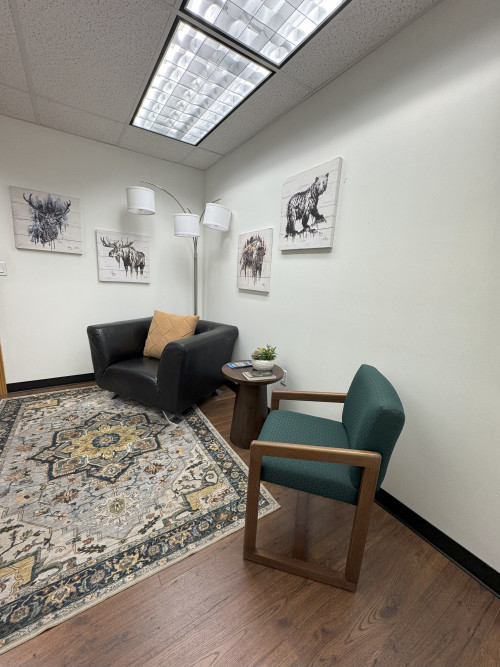
Spirit Mountain Recovery Roy IOP/PHP
Substance Use
Outpatient
5.0
(2)
Unclaimed
Substance Use
Outpatient
Insurance
Spirit Mountain Recovery Roy IOP/PHP
5.0
•Substance Use•OutpatientSpirit Mountain Recovery Roy IOP/PHP
5.0
(2)
AT A GLANCE
Center Overview
Location
5145 S. Arpt. Rd, Roy, UT 84067 View Map
Primary Focus
This center treats substance use disorders and co-occurring mental healt...
Accreditation
Joint Commission
Conditions We Treat
Anxiety, Bipolar, Depression, Post Traumatic Stress Disorder +1 More
Substance Use We Treat
Alcohol, Benzodiazepines, Chronic Relapse, Co-Occurring Disorders +9 More
spiritmountainrecovery.com
Are you the owner of this center? Claim it
How to pay
Insurance Accepted

BlueCross BlueShield
All Centers in Utah
United Healthcare
All Centers in Utah
Aetna
All Centers in Utah
Cigna
All Centers in UtahNot Accepted

Medicaid

Medicare








Provider's Policy: At Spirit Mountain Recovery, we want to make it easy for you to get addiction treatment. Our goal is to help you figure out the financial side of rehab now, so you don’t have to worry about it later when you’re focusing on recovery.
Verify InsurancePrivate Pay Option
Cash Pay Rates
We don't have pricing information for this center. Please contact the center for more information.
Care Options
Levels of Care
Everyone's recovery journey is unique. Whether it looks like residential rehab for 30 days, an outpatient program, or virtual therapy, you can find a level of care that fits your needs.

Detox
Not Offered at This Center
Typically the initial stage of treatment for substance use, focusing on medically supervised management of withdrawal symptoms.
Residential Rehab
Not Offered at This Center
Offering intensive care with 24/7 monitoring, residential substance use treatment is typically 30 days. Length can range from 14 to 90 days.
Sober Living
Not Offered at This Center
Transitional housing designed to support individuals recovering from substance use disorders offering a safe, supportive and structured environment for practicing long-term sobriety, while reintegrating back into daily living.

Day Treatment
In a PHP, patients live at home but follow an intensive schedule of treatment. Most programs require you to be on-site for about 40 hours per week.
Intensive Outpatient Program
An intensive outpatient program (IOP) falls between inpatient care and traditional outpatient services, with therapy and skills-building activities designed to support recovery and provide flexibility. IOP is ideal for those needing support but not the 24/7 care of a residential facility.
Outpatient
Outpatient treatment offers flexible therapeutic and medical care without the need to stay overnight in a hospital or inpatient facility. Outpatient care typically offers a range of therapies and medical interventions individuals can attend alongside daily life.
Virtual Care
Not Offered at This Center
Therapy and treatment delivered online through video sessions, messaging, or phone calls, so you can get care from anywhere, on a schedule that works for you.
In-Home Care
Not Offered at This Center
Clinicians come to you, providing treatment and support in the privacy and comfort of your own home.
Co-Occurring Mental Health
Treatment for co-occurring mental health disorders, which affect the majority of individuals diagnosed, integrates care for mental health conditions with primary substance use. Personalized care plans are crafted to effectively address each condition simultaneously, optimizing the healing process.
Treatment
Your Care Options
Specializations
Alcohol
Bipolar
Drug Addiction
Who We Treat
Men
Women
Men and Women
Approaches
Evidence-Based
Family Involvement
Individual Treatment
Non 12 Step
Therapies
1-on-1 Counseling
Acceptance and Commitment Therapy (ACT)
Acupuncture
Adventure Therapy
Animal Therapy
Aromatherapy
Art Therapy
Attachment-Based Family Therapy
Cognitive Behavioral Therapy
Languages
English
Conditions We Treat
Anxiety
Bipolar
Depression
Post Traumatic Stress Disorder
Trauma
Substances We Treat
Alcohol
Benzodiazepines
Chronic Relapse
Co-Occurring Disorders
Cocaine
Drug Addiction
Ecstasy
Heroin
Marijuana
Aftercare
Family Follow-up Counseling
Follow-up Sessions (online)
Return Visits
Ability to Call a Counselor
Alumni Events & Get-Togethers
Alumni Reunions
Private, Online Alumni Groups
Professional Re-entry Support
Medication Assistance
Experience
Care Designed for Your Needs
Amenities
Access to Nature
Chef-prepared Meals
Special Considerations
Dietary Accommodations
Vegetarian
Kosher
Halal
Wheelchair Accessible
Vegan
Gluten-Free
Flexible technology policies
Activities
Swimming
Ziplining
Farming, Gardening
Biking
Horseback Riding
Boating Charters
Volleyball
Games
Dance Classes
Off-Site Activities
Adventure Outings
Off-Site Amenities
Walking Trails
Fitness Center
Access to Nature
Tennis Court
Frequently Asked Questions
Further Research
What therapies does Spirit Mountain Recovery Roy IOP/PHP offer?
The following therapies are included: acupuncture, dance therapy and more.
Where is Spirit Mountain Recovery Roy IOP/PHP located?
Roy, Utah, United States.
What insurance does Spirit Mountain Recovery Roy IOP/PHP accept?
At Spirit Mountain Recovery, we want to make it easy for you to get addiction treatment. Our goal is to help you figure out the financial side of rehab now, so you don’t have to worry about it later when you’re focusing on recovery.
What levels of care does Spirit Mountain Recovery Roy IOP/PHP offer?
Spirit Mountain Recovery Roy IOP/PHP provides day treatment, intensive outpatient program and more.
Explore More
Easily search by condition, location, and other programs tailored to meet your needs.