Find Treatment By
Rehabs by Location


Learn
About Us
Recovery.com combines independent research with expert guidance on addiction and mental health treatment. Our mission is to help everyone find the best path to recovery through the most comprehensive, helpful network of treatment providers worldwide.
Advisory Council
Our advisory council brings together leaders in behavioral health, technology, and business. Their diverse expertise ensures our resources and product are innovative, evidence-based, and effective. They guide our mission as accomplished individuals dedicated to improving the landscape of addiction recovery and mental wellness.
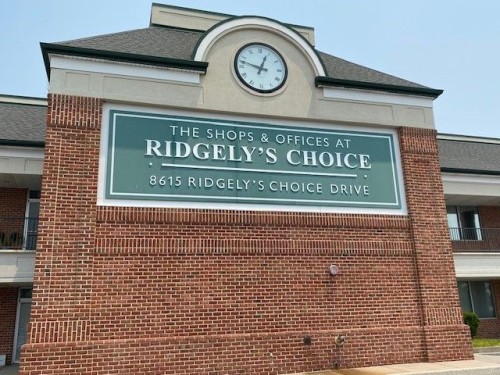
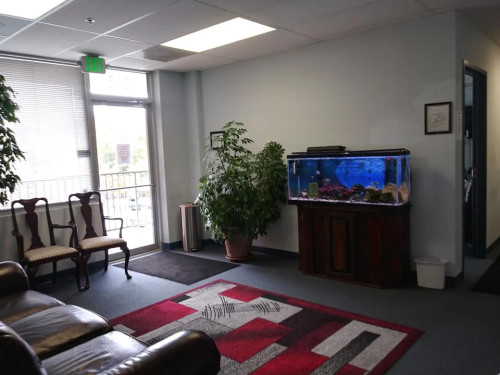
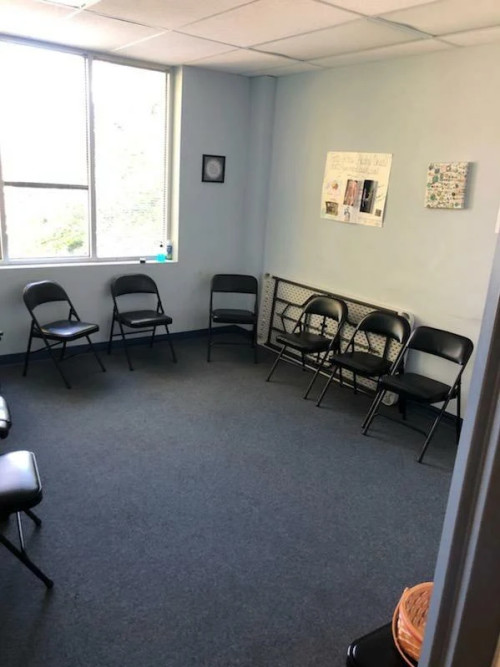
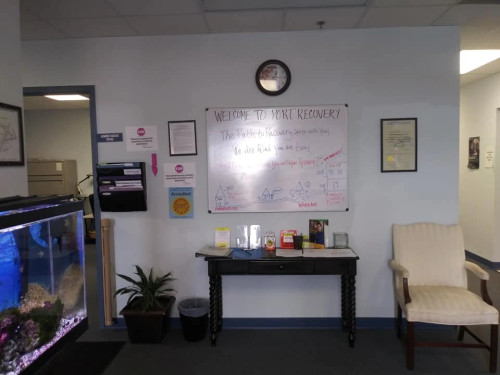
About Port Recovery
Helping address addiction and problem gambling with compassionate, structured care, Port Recovery is a residential and outpatient treatment center offering day treatment, intensive outpatient program (IOP), and long-term residential care. They provide individual and group therapy in person or virtually, along with medication-assisted treatment (MAT) and mental health support. Residential stays range from 30 days to 9 months and include supervised housing and daily structure.
Integrate Therapy and Medical Care
They combine current brain science, therapeutic techniques, and a practical approach to treatment. As part of care, they prescribe Suboxone, Sublocade, Zubsolv, and Vivitrol for opioid addiction and alcohol cravings, while also offering mental health therapy and medication management. They provide no-cost problem gambling counseling, a licensed virtual support group, primary care, and state-licensed DUI education with in-person and virtual options.
Recovery Through Transition
Founded in 1999, they focus on helping those facing addiction, gambling concerns, court involvement, and re-entry needs build greater stability. Their residential program steps down from round-the-clock support to supportive housing or outpatient care, with help seeking employment and long-term housing. They also work with drug courts, parole, probation, pre-trial, and other court-ordered programs.
Extending Support Across Maryland
In addition to their Nottingham location, Port Recovery has affiliated male and female sober living and residential programs in Baltimore, providing additional options for continued housing and treatment support.
Center Overview
Supportive Medication for Recovery
Medication-Assisted Treatment (MAT) is an evidence-based approach that pairs FDA-approved medications with counseling to treat addiction. The medications are used to reduce cravings, ease withdrawal symptoms, or block the effects of substances. More about MAT
Methadone

Naltrexone
Buprenorphine
This center prescribes medications for opioid use disorder and also accepts patients receiving MAT prescribed elsewhere.
Note: Treatment centers offer different forms of MAT—such as oral tablets, dissolvable films, or monthly injections—and their policies can vary based on state regulations, provider preferences, and insurance coverage. Because of these differences, it's best to contact the center directly to learn what options are available and what might be right for your situation.
Insurance Accepted
Cash Pay Rates
Levels of Care

