Find Treatment By
Rehabs by Location


Learn
About Us
Recovery.com combines independent research with expert guidance on addiction and mental health treatment. Our mission is to help everyone find the best path to recovery through the most comprehensive, helpful network of treatment providers worldwide.
Advisory Council
Our advisory council brings together leaders in behavioral health, technology, and business. Their diverse expertise ensures our resources and product are innovative, evidence-based, and effective. They guide our mission as accomplished individuals dedicated to improving the landscape of addiction recovery and mental wellness.
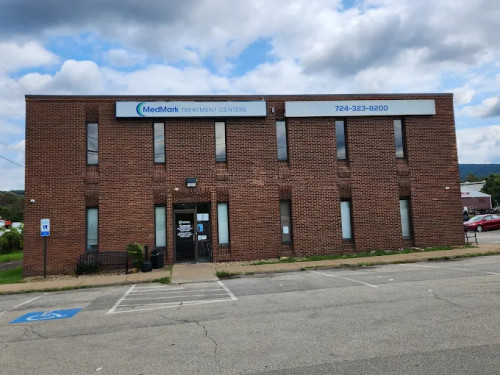
MedMark Treatment Centers Lemont Furnace
MedMark Treatment Centers Lemont Furnace
MedMark Treatment Centers Lemont Furnace
About MedMark Treatment Centers Lemont Furnace
Located in Lemont Furnace, Pennsylvania, MedMark delivers outpatient care tailored to individuals struggling with opioid dependency. Each person receives a customized care plan designed to treat addiction to substances such as heroin, fentanyl, and prescription painkillers. Treatment includes the use of carefully monitored medications like methadone and buprenorphine, alongside both individual and group counseling. By accepting Medicare Part B and a range of private insurance plans, the center ensures that effective care remains accessible to a wide community.
Benefit from Integrated Counseling Services
The center’s recovery model blends medication-assisted support with a variety of evidence-based therapies. These include cognitive behavioral therapy, trauma-focused interventions, and motivational interviewing—each chosen to uncover the underlying roots of addiction. This holistic combination not only eases physical cravings but also empowers individuals to adopt healthier thinking patterns, improve emotional resilience, and reduce the chances of relapse.
Utilize Additional Resources for Comprehensive Care
Beyond core treatment, clients gain access to wraparound services that enrich the recovery experience. Case management, specialized care for pregnant individuals, and connections to local support networks help address the broader challenges tied to substance use. Overdose prevention training and structured discharge planning further ensure continuity of care, guiding each person toward long-term stability and success.
The clinic is open Monday through Friday from 5:30 a.m. to 12:30 p.m., and Saturday from 6:30 to 8:30 a.m.

Center Overview
Supportive Medication for Recovery
Medication-Assisted Treatment (MAT) is an evidence-based approach that pairs FDA-approved medications with counseling to treat addiction. The medications are used to reduce cravings, ease withdrawal symptoms, or block the effects of substances. More about MAT
Methadone

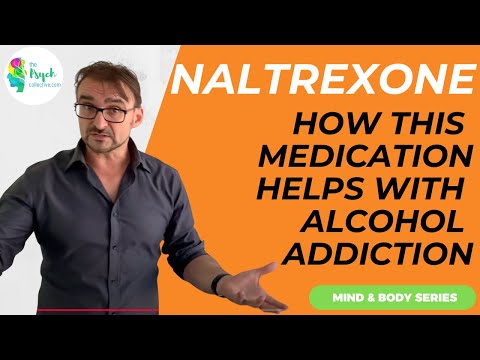
Naltrexone
Buprenorphine

Note: Treatment centers offer different forms of MAT—such as oral tablets, dissolvable films, or monthly injections—and their policies can vary based on state regulations, provider preferences, and insurance coverage. Because of these differences, it's best to contact the center directly to learn what options are available and what might be right for your situation.
Insurance Accepted


Cash Pay Rates
Levels of Care

