Ozark Recovery Center
Verified Center
This provider's information has been quality-checked by Recovery.com's Research Team for accuracy and completeness, including center verification through appropriate third-party organizations.
Treatment Focus
This center treats substance use disorders and co-occurring mental health conditions. Your treatment plan addresses each condition at once with personalized, compassionate care for comprehensive healing.
Primary Level of Care
Outpatient treatment offers flexible therapeutic and medical care without the need to stay overnight in a hospital or inpatient facility. Some centers offer intensive outpatient program (IOP), which falls between inpatient care and traditional outpatient service.
Treatment Focus
This center treats substance use disorders and co-occurring mental health conditions. Your treatment plan addresses each condition at once with personalized, compassionate care for comprehensive healing.
Primary Level of Care
Outpatient treatment offers flexible therapeutic and medical care without the need to stay overnight in a hospital or inpatient facility. Some centers offer intensive outpatient program (IOP), which falls between inpatient care and traditional outpatient service.
Provider's Policy
At Ozark Recovery Center, our specialized addiction and recovery services in Arkansas can provide a foundation to lasting recovery. Most insurance plans can cover a majority of treatment costs, and we’re here to guide you every step of the way.
About Ozark Recovery Center
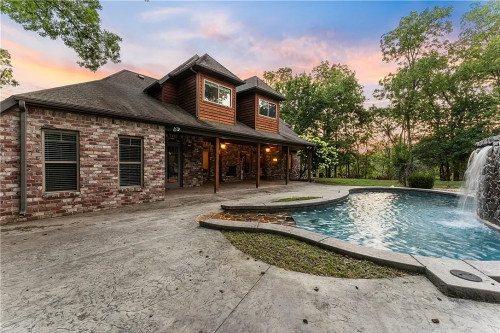
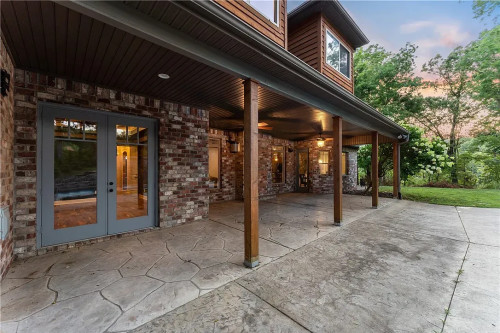
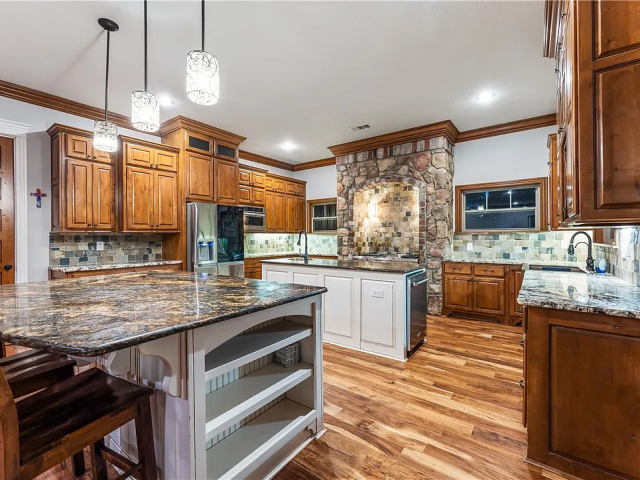
With an approach rooted in respect and understanding, Ozark Recovery Center helps people rebuild hope, purpose, and self-worth through outpatient addiction treatment. Located in Rogers, Arkansas, they treat substance use and co-occurring mental health concerns through a partial hospitalization program (PHP), an intensive outpatient program (IOP), traditional outpatient care, and coordinated recovery support. Their flexible model helps clients strengthen recovery while staying connected to work, family, school, or daily responsibilities.
Understand Triggers and Build Recovery Skills
Clients begin with an assessment and a tailored care plan that can include cognitive behavioral therapy (CBT), dialectical behavior therapy (DBT), individual therapy, group therapy, family therapy, psychiatry, and medication-assisted treatment (MAT) when appropriate. Their approach addresses addiction triggers, emotional regulation, relapse prevention, and co-occurring mental health needs while supporting mental, physical, and spiritual wellness.
Stay Connected to Daily Life
Ozark Recovery Center’s outpatient model allows clients to receive structured addiction treatment without stepping away from everyday responsibilities. Clients can attend care while continuing to live at home, stay connected to work or school, and maintain supportive family relationships. When a more recovery-focused living environment is helpful, Ozark Recovery Center can coordinate with local sober living partners for added structure and accountability.
Continue Recovery with Step-Down Support
Aftercare planning helps clients continue recovery with less intensive support after completing PHP or IOP. Depending on need and progress, clients may step down to outpatient therapy, alumni support groups, sober living, relapse prevention planning, or ongoing psychiatric and medication support. This continuity helps clients maintain accountability, respond to triggers, and keep building stability as daily responsibilities increase.
Highlights from the Center
Highlights
These highlights are provided by and paid for by the center.
Trauma-Informed Care
Center Overview
Treatment Focus
This center treats substance use disorders and co-occurring mental health conditions. Your treatment plan addresses each condition at once with personalized, compassionate care for comprehensive healing.
Insurance Accepted


Recovery.com Verified Listing
Recovery.com verified that the name, location, contact information and license to operate for this treatment provider are valid and up-to-date.

Licensed by Arkansas
Recovery.com is an independent, third-party mental health resource. Verification does not imply endorsement and does not guarantee the quality of treatment services.
Meet Your Care Team
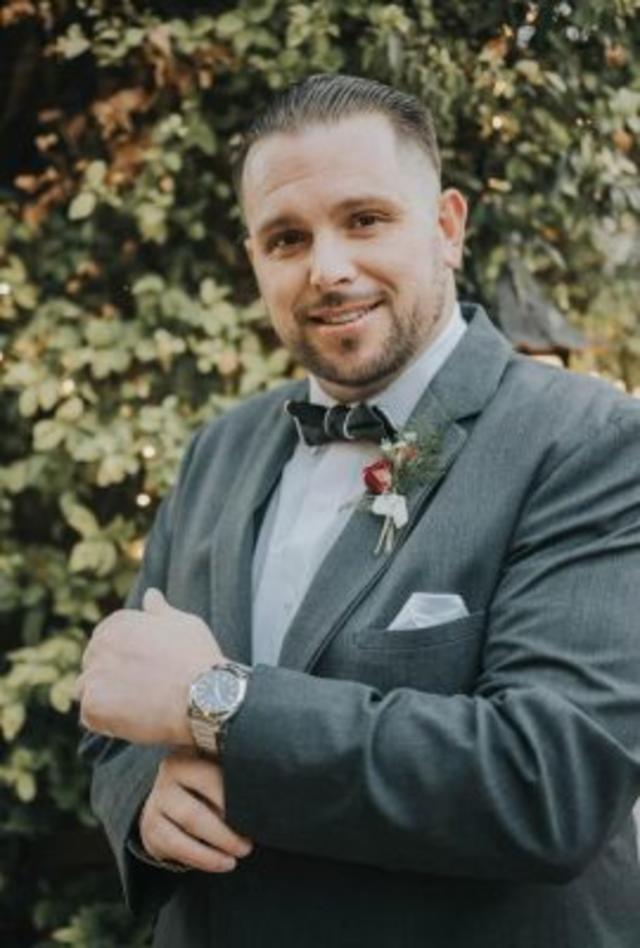
Thomas Sedillo
Program Director
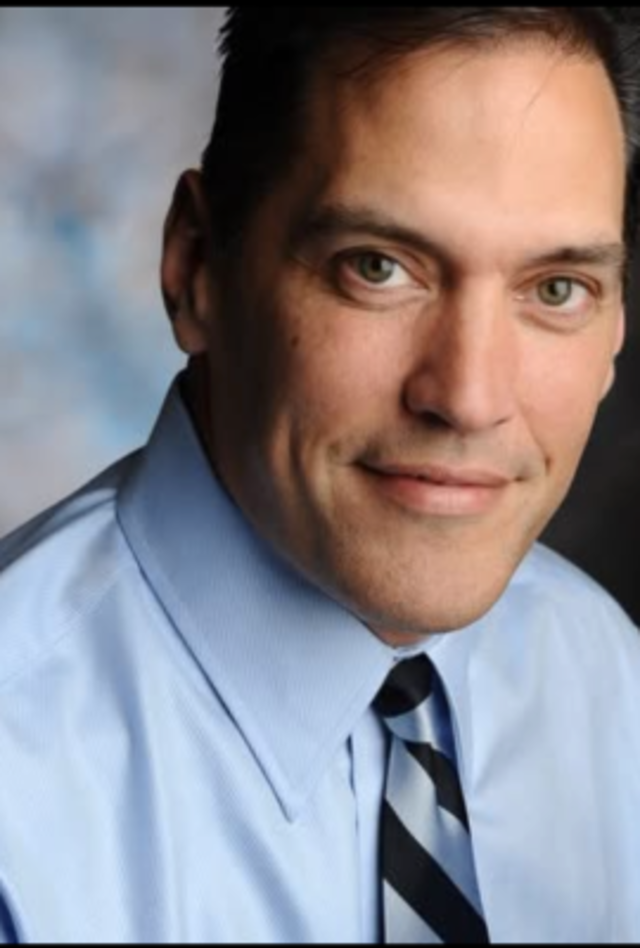
Todd Simpson
Medical Director
Ashley Leichtamer
HR

Maddison Ruiz
RDS
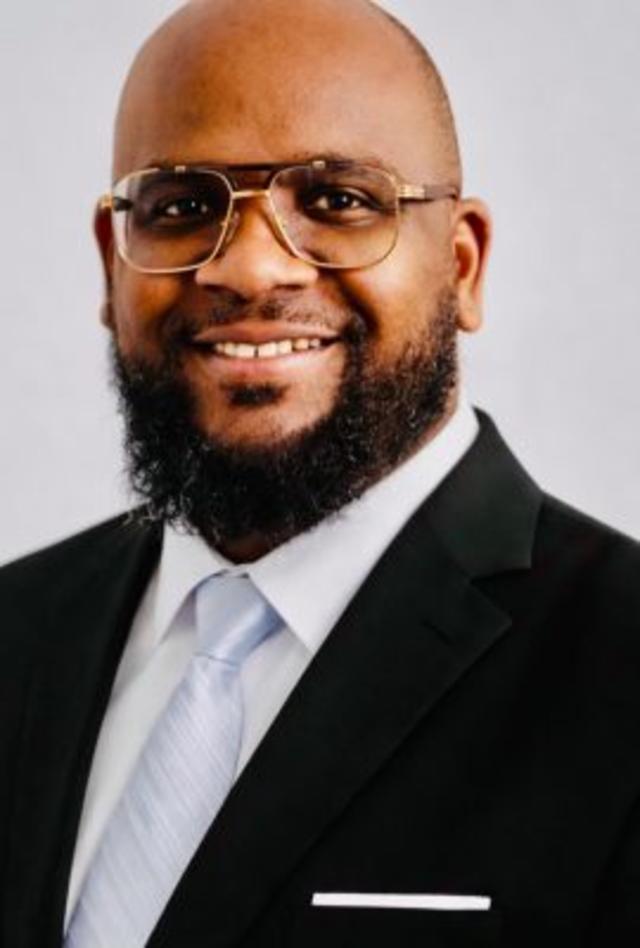
Lori Keen
Certified Alcohol and Drug Counselor (ADC)
Isander Plaza
Alcohol and Drug Counselor
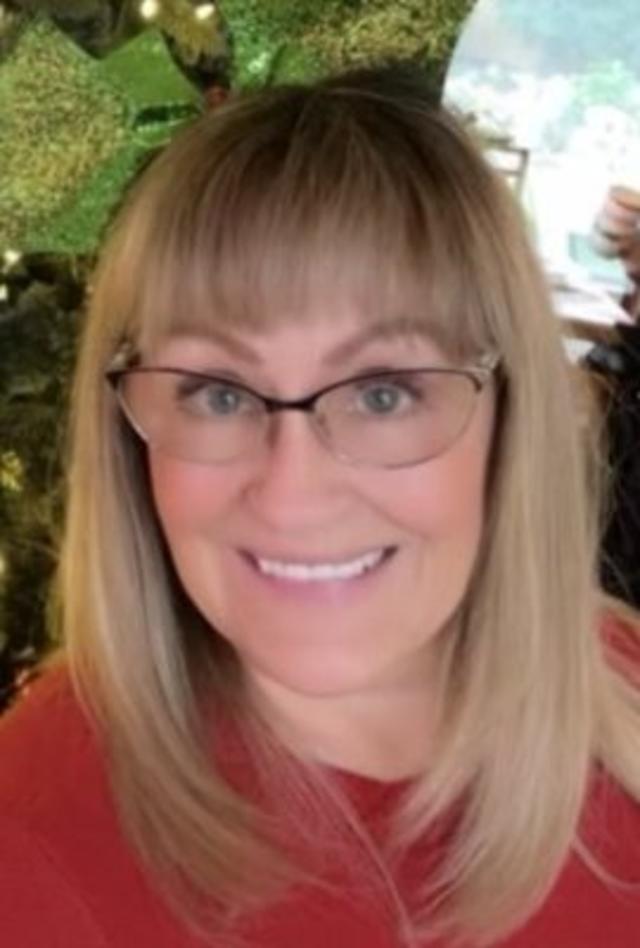
Judi Johnson
Clinical Supervisor
Your Care Options
Specializations
Alcohol
Using alcohol as a coping mechanism, or drinking excessively throughout the week, signals an alcohol use disorder.
Co-Occurring Disorders
A person with multiple mental health diagnoses, such as addiction and depression, has co-occurring disorders also called dual diagnosis.
Who We Treat
Men and Women
Men and women attend treatment for addiction in a co-ed setting, going to therapy groups together to share experiences, struggles, and successes.
Treatment Services
Day Treatment
Also commonly called PHP, patients may live at home or in a recovery residence while following an intensive treatment program. Most have a weekly schedule of M–F and 4 to 6 hours per day.
Intensive Outpatient Program
In an IOP, patients live at home or a sober living, but attend treatment typically 9-15 hours a week. Most programs include talk therapy, support groups, and other methods.
Outpatient
During outpatient rehab, patients attend a structured treatment program while continuing to live at home.
Approaches
Evidence-Based
A combination of scientifically rooted therapies and treatments make up evidence-based care, defined by their measured and proven results.
Personalized Treatment
The specific needs, histories, and conditions of individual patients receive personalized, highly relevant care throughout their recovery journey.
Therapies
1-on-1 Counseling
Patient and therapist meet 1-on-1 to work through difficult emotions and behavioral challenges in a personal, private setting.
Family Therapy
Family therapy addresses group dynamics within a family system, with a focus on improving communication and interrupting unhealthy relationship patterns.
Life Skills
Teaching life skills like cooking, cleaning, clear communication, and even basic math provides a strong foundation for continued recovery.
Medication-Assisted Treatment
Combined with behavioral therapy, prescribed medications can enhance treatment by relieving withdrawal symptoms and focus patients on their recovery.
Mindfulness-Based Cognitive Therapy
MBCT combines mindfulness practices—like meditation—with cognitive therapy techniques to help patients work through negative thought patterns.
Motivational Interviewing
Based on the idea that motivation to change comes from within, providers use a conversational framework to discover personalized methods for change.
Languages
Conditions We Treat
Anxiety
Anxiety is a common mental health condition that can include excessive worry, panic attacks, physical tension, and increased blood pressure.
Bipolar
This mental health condition is characterized by extreme mood swings between depression, mania, and remission.
Depression
Symptoms of depression may include fatigue, a sense of numbness, and loss of interest in activities. This condition can range from mild to severe.
Post Traumatic Stress Disorder
PTSD is a long-term mental health issue caused by a disturbing event or events. Symptoms include anxiety, dissociation, flashbacks, and intrusive thoughts.
Substances We Treat
Alcohol
Using alcohol as a coping mechanism, or drinking excessively throughout the week, signals an alcohol use disorder.
Benzodiazepines
Benzodiazepines are prescribed to treat anxiety and sleep issues. They are highly habit forming, and their use can cause mood changes and poor judgement.
Co-Occurring Disorders
A person with multiple mental health diagnoses, such as addiction and depression, has co-occurring disorders also called dual diagnosis.
Cocaine
Cocaine is a stimulant with euphoric effects. Agitation, muscle ticks, psychosis, and heart issues are common symptoms of cocaine use.
Drug Addiction
Drug addiction is the excessive and repetitive use of substances, despite harmful consequences to a person's life, health, and relationships.
Heroin
Heroin is a highly addictive and illegal opioid. It can cause insomnia, collapsed veins, heart issues, and additional mental health issues.
Opioids
Opioids produce pain-relief and euphoria, which can lead to addiction. This class of drugs includes prescribed medication and the illegal drug heroin.
Prescription Drugs
It's possible to develop an addiction to any drug, even prescribed ones. If you crave a medication, or regularly take it more than directed, you may have an addiction.
Synthetic Drugs
Synthetic drugs are made in a lab, unlike plant-based drugs like mushrooms. Most synthetic drugs are either stimulants or synthetic cannabinoids.
Aftercare
Care Designed for Your Needs
Special Considerations
Learn More About the Center
Medication-Assisted Treatment (MAT)
Learn more about MAT and how it can support alcohol and drug recovery.
Supportive Housing & Sober Living
Read about sober living and why it can be a good option for people in early recovery.
How Can Psychiatry Help a Substance Use Disorder?
Discover how psychiatric care alongside addiction treatment often supports lasting healing.
Finding Drug Rehabs in Arkansas
Understand the continuum of care and what treatment option might fit best.