Find Treatment By
Rehabs by Location


Find Treatment By
Learn
About Us
Recovery.com combines independent research with expert guidance on addiction and mental health treatment. Our mission is to help everyone find the best path to recovery through the most comprehensive, helpful network of treatment providers worldwide.
Advisory Council
Our advisory council brings together leaders in behavioral health, technology, and business. Their diverse expertise ensures our resources and product are innovative, evidence-based, and effective. They guide our mission as accomplished individuals dedicated to improving the landscape of addiction recovery and mental wellness.



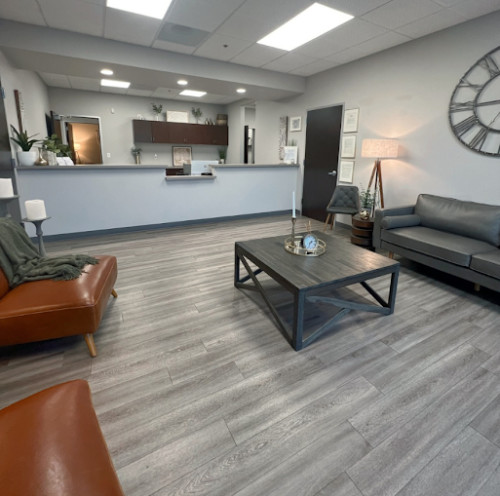
Oasis Eating Disorders Recovery
Treatment Focus
You can get treatment for eating disorders at this center, helping you navigate symptoms, build coping tools, and restore your physical health under expert care.
Primary Level of Care
Outpatient treatment offers flexible therapeutic and medical care without the need to stay overnight in a hospital or inpatient facility. Some centers offer intensive outpatient program (IOP), which falls between inpatient care and traditional outpatient service.
Claimed
Recovery.com has connected directly with this treatment provider to validate the information in their profile.
Treatment Focus
You can get treatment for eating disorders at this center, helping you navigate symptoms, build coping tools, and restore your physical health under expert care.
Primary Level of Care
Outpatient treatment offers flexible therapeutic and medical care without the need to stay overnight in a hospital or inpatient facility. Some centers offer intensive outpatient program (IOP), which falls between inpatient care and traditional outpatient service.
Provider's Policy
We work with many major insurance providers to help cover the cost of treatment. Our team can verify your benefits and explain what your plan covers. If insurance isn’t an option, we also provide private pay options and can discuss flexible payment plans.
Oasis Eating Disorders Recovery
Oasis Eating Disorders Recovery
About Oasis Eating Disorders Recovery
Specializing in treating various eating disorders among teens and adults, Oasis Eating Disorders Recovery offers age-specific intensive outpatient programs (IOP) that combine evidence-based therapies, group support, and nutritional guidance to promote long-term recovery. Their program includes customized meal plans based on individuals’ needs and struggles, supervised meals with a supportive and judgement-free environment, and groups focusing on body image, nutrition education, and more.
Combining Methods for Effective Recovery
Oasis Eating Disorders Recovery combines evidence-based therapies to meet individuals where they are and move them towards healthier relationships with food and their bodies. They use eye movement desensitization and reprocessing (EMDR) therapy for those who have a history of trauma, dialectical behavior therapy (DBT) to help individuals with emotional regulation, and cognitive behavioral therapy (CBT) to help individuals identify and reframe destructive thought patterns that contribute to disordered eating. Oasis also uses experiential approaches like art therapy and body positive movement, offering a more holistic path to healing.
Ongoing Support for Lasting Healing
With case management services and aftercare planning, Oasis works to ensure that clients are supported well beyond treatment at their center. They help clients transition smoothly to their next stage of care and assist with finding outpatient therapists, dietitians, support groups, and other necessary recovery resources. Oasis Eating Disorders Recovery also equips clients with crisis intervention planning and after-hours resources to successfully navigate recovery outside of their IOP.

Highlights from the Center
Highlights
These highlights are provided by and paid for by the center.
Mental Health Disorder Treatment
Center Overview
Treatment Focus
You can get treatment for eating disorders at this center, helping you navigate symptoms, build coping tools, and restore your physical health under expert care.
Insurance Accepted
Cash Pay Rates
Estimated Cash Pay Rate
Center pricing can vary based on program and length of stay. Contact the center for more information. Recovery.com strives for price transparency so you can make an informed decision.
Levels of Care


Your Care Options
Specializations
Eating Disorders
An eating disorder is a long-term pattern of unhealthy behavior relating to food. Most people with eating disorders have a distorted self-image.
Who We Treat
Adolescents
Teens receive the treatment they need for mental health disorders and addiction, with the added support of educational and vocational services.
Men and Women
Men and women attend treatment for addiction in a co-ed setting, going to therapy groups together to share experiences, struggles, and successes.
Approaches
Evidence-Based
A combination of scientifically rooted therapies and treatments make up evidence-based care, defined by their measured and proven results.
Family Involvement
Providers involve family in the treatment of their loved one through family therapy, visits, or both–because addiction is a family disease.
Holistic
A non-medicinal, wellness-focused approach that aims to align the mind, body, and spirit for deep and lasting healing.
Therapies
1-on-1 Counseling
Patient and therapist meet 1-on-1 to work through difficult emotions and behavioral challenges in a personal, private setting.
Art Therapy
Visual art invites patients to examine the emotions within their work, focusing on the process of creativity and its gentle therapeutic power.
Experiential Therapy
With this approach, patients heal by doing. Therapists help patients process difficult emotions to speak, using guided activities like art or dance.
Eye Movement Therapy (EMDR)
Lateral, guided eye movements help reduce the emotional reactions of retelling and reprocessing trauma, allowing intense feelings to dissipate.
Family Therapy
Family therapy addresses group dynamics within a family system, with a focus on improving communication and interrupting unhealthy relationship patterns.
Mindfulness Therapy
This ancient practice can be mental, emotional, and even spiritual. In meditation, you focus your attention on the present moment without judgement.
Languages
Conditions We Treat
Eating Disorders
An eating disorder is a long-term pattern of unhealthy behavior relating to food. Most people with eating disorders have a distorted self-image.