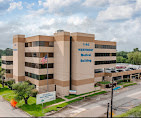
This center treats substance use disorders and co-occurring mental health conditions. Your treatment plan addresses each condition at once with personalized, compassionate care for comprehensive healing.
Outpatient treatment offers flexible therapeutic and medical care without the need to stay overnight in a hospital or inpatient facility. Some centers off intensive outpatient program (IOP), which falls between inpatient care and traditional outpatient service.
This provider hasn't verified their profile's information. Are you the owner of this center? Claim your listing to better manage your presence on Recovery.com.
This center treats substance use disorders and co-occurring mental health conditions. Your treatment plan addresses each condition at once with personalized, compassionate care for comprehensive healing.
Outpatient treatment offers flexible therapeutic and medical care without the need to stay overnight in a hospital or inpatient facility. Some centers off intensive outpatient program (IOP), which falls between inpatient care and traditional outpatient service.
Our admissions team will work with you to explore the right payment options based on your needs, ensuring you get the best possible treatment.
NorthShore Treatment Center treats adult opioid and alcohol use disorders and other drug addictions. Levels of care include medically supervised detox, outpatient counseling and a suggested twelve-month recovery course. The program emphasizes whole-person restoration and tracks progress with monthly and quarterly assessments. Psychiatric evaluation and medication management are available to address co-occurring mental health needs and support stable recovery outcomes. They list experienced psychiatrists and clinical staff and practical support.
They deliver evidence-based care combining medication-assisted treatment with methadone and buprenorphine Suboxone, individual, group and family counseling, and psychiatric medication management. Nursing services and routine HIV/AIDS and TB screening support medical safety. Regular assessments guide adjustments to treatment. This integrated approach aims to reduce cravings, manage withdrawal symptoms, build coping skills and improve daily functioning for adults pursuing sustained recovery. Care is coordinated among prescribers, counselors and nursing staff consistently.
They provide same-day virtual new-client registration and flexible telemedicine follow-ups to streamline access for adults seeking care. The clinic lists over seven healthcare professionals and more than fifteen years of combined experience on its pages. Phone and email contact options and online booking for specific services create practical pathways for scheduling admissions and beginning treatment quickly. Clients can confirm address and insurance directly.
This center treats substance use disorders and co-occurring mental health conditions. Your treatment plan addresses each condition at once with personalized, compassionate care for comprehensive healing.

Center pricing can vary based on program and length of stay. Contact the center for more information. Recovery.com strives for price transparency so you can make an informed decision.
A person with multiple mental health diagnoses, such as addiction and depression, has co-occurring disorders also called dual diagnosis.
Drug addiction is the excessive and repetitive use of substances, despite harmful consequences to a person's life, health, and relationships.
Opioids produce pain-relief and euphoria, which can lead to addiction. This class of drugs includes prescribed medication and the illegal drug heroin.
Using alcohol as a coping mechanism, or drinking excessively throughout the week, signals an alcohol use disorder.
Men and women attend treatment for addiction in a co-ed setting, going to therapy groups together to share experiences, struggles, and successes.
Incorporating spirituality, community, and responsibility, 12-Step philosophies prioritize the guidance of a Higher Power and a continuation of 12-Step practices.
A combination of scientifically rooted therapies and treatments make up evidence-based care, defined by their measured and proven results.
Individual care meets the needs of each patient, using personalized treatment to provide them the most relevant care and greatest chance of success.
Patient and therapist meet 1-on-1 to work through difficult emotions and behavioral challenges in a personal, private setting.
Family therapy addresses group dynamics within a family system, with a focus on improving communication and interrupting unhealthy relationship patterns.
12-Step groups offer a framework for addiction recovery. Members commit to a higher power, recognize their issues, and support each other in the healing process.
Patients can connect with a therapist via videochat, messaging, email, or phone. Remote therapy makes treatment more accessible.
Relapse prevention counselors teach patients to recognize the signs of relapse and reduce their risk.
Combined with behavioral therapy, prescribed medications can enhance treatment by relieving withdrawal symptoms and focus patients on their recovery.
Partners work to improve their communication patterns, using advice from their therapist to better their relationship and make healthy changes.
It's possible to abuse any drug, even prescribed ones. If you crave a medication, or regularly take it more than directed, you may have an addiction.
A person with multiple mental health diagnoses, such as addiction and depression, has co-occurring disorders also called dual diagnosis.
Drug addiction is the excessive and repetitive use of substances, despite harmful consequences to a person's life, health, and relationships.
Heroin is a highly addictive and illegal opioid. It can cause insomnia, collapsed veins, heart issues, and additional mental health issues.
Opioids produce pain-relief and euphoria, which can lead to addiction. This class of drugs includes prescribed medication and the illegal drug heroin.
Using alcohol as a coping mechanism, or drinking excessively throughout the week, signals an alcohol use disorder.