Find Treatment By
Rehabs by Location


Find Treatment By
Learn
About Us
Recovery.com combines independent research with expert guidance on addiction and mental health treatment. Our mission is to help everyone find the best path to recovery through the most comprehensive, helpful network of treatment providers worldwide.
Advisory Council
Our advisory council brings together leaders in behavioral health, technology, and business. Their diverse expertise ensures our resources and product are innovative, evidence-based, and effective. They guide our mission as accomplished individuals dedicated to improving the landscape of addiction recovery and mental wellness.
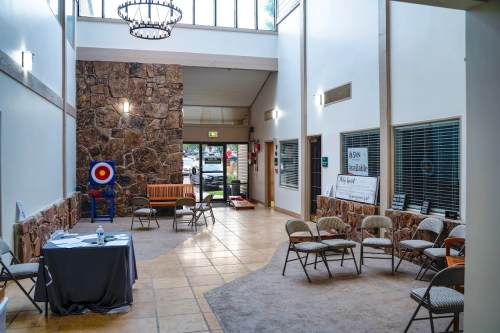
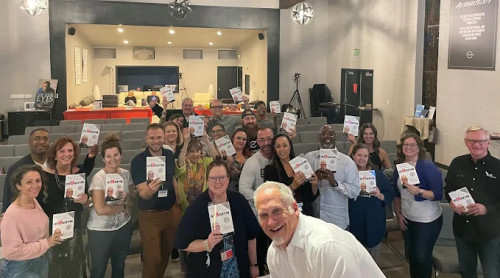
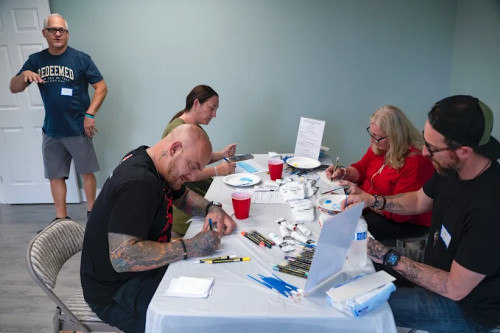

LFTR Christian Rehab Services
Treatment Focus
This center primarily treats substance use disorders, helping you stabilize, create relapse-prevention plans, and connect to compassionate support.
Primary Level of Care
Outpatient treatment offers flexible therapeutic and medical care without the need to stay overnight in a hospital or inpatient facility. Some centers offer intensive outpatient program (IOP), which falls between inpatient care and traditional outpatient service.
Claimed
Recovery.com has connected directly with this treatment provider to validate the information in their profile.
Treatment Focus
This center primarily treats substance use disorders, helping you stabilize, create relapse-prevention plans, and connect to compassionate support.
Primary Level of Care
Outpatient treatment offers flexible therapeutic and medical care without the need to stay overnight in a hospital or inpatient facility. Some centers offer intensive outpatient program (IOP), which falls between inpatient care and traditional outpatient service.
Provider's Policy
Our admissions specialists explain your coverage options, potential out-of-pocket expenses, and alternative payment arrangements to ensure financial concerns don't impede your access to quality Christian treatment.
LFTR Christian Rehab Services
LFTR Christian Rehab Services
About LFTR Christian Rehab Services
Lifted From The Rut (LFTR) Christian Rehab Services is a Christ-centered addiction treatment program near Denver, Colorado, located southwest of the city in Littleton, CO near C-470 and Kipling. LFTR provides a Christian intensive outpatient program (IOP), outpatient counseling, addiction intervention services, and recovery coaching for individuals struggling with alcohol and drug addiction.
The office is open Monday through Friday, 9 a.m. to 7 p.m.
Christ-Centered, Evidence-Based Addiction Treatment
LFTR integrates biblical truth with evidence-based, trauma-informed therapy and 12-Step recovery principles. LFTR designs their services to help clients identify triggers, regulate emotions, address trauma, and break unhealthy patterns that contribute to substance use. LFTR's goal is whole-person healing (mind, heart, and spirit) while helping clients restore trust in God, strengthen relationships, and rediscover purpose.
Trauma-Informed and Clinically Grounded Care
They use clinically grounded talk therapies psychoeducation, reflective counseling, and structured group work to support emotional regulation, accountability, and long-term recovery. Additionally, they use holistic experiences like yoga, guided meditation, and somatic experiencing to help clients reflect and develop healthier habits.
Redirect. Overcome. Build.
LFTR's approach aims to help individuals who feel stuck in destructive cycles that rob them of joy and hope.
- Redirecting unhealthy thinking patterns
- Overcoming emotional, spiritual, and behavioral obstacles
- Building sustainable rhythms for sobriety and life transformation
While the IOP and outpatient counseling focus on clinical structure and therapeutic support, their recovery coaching emphasizes goal setting, personal growth, and grace-centered accountability rooted in biblical principles.
Long-Term Aftercare & Alumni Support
LFTR offers ongoing aftercare services for clients who desire continued connection beyond formal treatment. Alumni may remain involved as long as the support is helpful. Aftercare opportunities include structured gatherings, peer support, service projects, and mentoring relationships within a Christian recovery community.
Center Overview
Treatment Focus
This center primarily treats substance use disorders, helping you stabilize, create relapse-prevention plans, and connect to compassionate support.
Insurance Accepted
Cash Pay Rates
Estimated Cash Pay Rate
Center pricing can vary based on program and length of stay. Contact the center for more information. Recovery.com strives for price transparency so you can make an informed decision.
Levels of Care


Your Care Options
Specializations
Recovery Coaching
A support service designed to help individuals identify and maintain their personal recovery goals, provide guidance and support, and connect them with recovery resources and community-based services.
Christian
Through surrender and commitment to Christ, patients refocus the efforts and source of their recovery with clinical and spiritual care.
Spiritual Care
Tending to spiritual health helps treatment become more effective, allowing patients to better cope with their emotions and rebuild their spiritual wellbeing.
Twelve Step Facilitation
12-Step groups offer a framework for addiction recovery. Members commit to a higher power, recognize their issues, and support each other in the healing process.
Interventionists
Professionals who helps guide loved ones through an intervention to help someone overcome addiction or mental health issues. They may also help clients find treatment centers and navigate the recovery process.
Who We Treat
Men and Women
Men and women attend treatment for addiction in a co-ed setting, going to therapy groups together to share experiences, struggles, and successes.
Approaches
Christian
Through surrender and commitment to Christ, patients refocus the efforts and source of their recovery with clinical and spiritual care.
Evidence-Based
A combination of scientifically rooted therapies and treatments make up evidence-based care, defined by their measured and proven results.
Spiritual Emphasis
Spirituality connects patients to a higher power and helps strengthen their recovery, hope, and compliance with other treatment modalities.
Twelve Step
Incorporating spirituality, community, and responsibility, 12-Step philosophies prioritize the guidance of a Higher Power and a continuation of 12-Step practices.
Therapies
1-on-1 Counseling
Patient and therapist meet 1-on-1 to work through difficult emotions and behavioral challenges in a personal, private setting.
Acceptance and Commitment Therapy (ACT)
This cognitive behavioral therapy teaches patients to accept challenging feelings and make the appropriate changes to reach personal goals.
Expressive Arts
Creative processes like art, writing, or dance use inner creative desires to help boost confidence, emotional growth, and initiate change.
Family Therapy
Family therapy addresses group dynamics within a family system, with a focus on improving communication and interrupting unhealthy relationship patterns.
Meditation & Mindfulness
A practiced state of mind that brings patients to the present. It allows them to become fully aware of themselves, their feelings, and the present moment.
Mindfulness Therapy
This ancient practice can be mental, emotional, and even spiritual. In meditation, you focus your attention on the present moment without judgement.
Languages
Conditions We Treat
Stress
Stress is a natural reaction to challenges, and it can even help you adapt. However, chronic stress can cause physical and mental health issues.
Trauma
Some traumatic events are so disturbing that they cause long-term mental health problems. Those ongoing issues can also be referred to as "trauma."
Substances We Treat
Alcohol
Using alcohol as a coping mechanism, or drinking excessively throughout the week, signals an alcohol use disorder.
Benzodiazepines
Benzodiazepines are prescribed to treat anxiety and sleep issues. They are highly habit forming, and their abuse can cause mood changes and poor judgement.
Cocaine
Cocaine is a stimulant with euphoric effects. Agitation, muscle ticks, psychosis, and heart issues are common symptoms of cocaine abuse.
Drug Addiction
Drug addiction is the excessive and repetitive use of substances, despite harmful consequences to a person's life, health, and relationships.
Ecstasy
Ecstasy is a stimulant that causes intense euphoria and heightened awareness. Abuse of this drug can trigger depression, insomnia, and memory problems.
Heroin
Heroin is a highly addictive and illegal opioid. It can cause insomnia, collapsed veins, heart issues, and additional mental health issues.
Methamphetamine
Methamphetamine, or meth, increases energy, agitation, and paranoia. Long-term use can result in severe physical and mental health issues.
Aftercare
Care Designed for Your Needs
Special Considerations
Religion-Based Track
Patients can join faith-based recovery tracks to approach recovery with others in their faith, healing in a like-minded group with similar goals.