Find Treatment By
Rehabs by Location


Learn
About Us
Recovery.com combines independent research with expert guidance on addiction and mental health treatment. Our mission is to help everyone find the best path to recovery through the most comprehensive, helpful network of treatment providers worldwide.
Advisory Council
Our advisory council brings together leaders in behavioral health, technology, and business. Their diverse expertise ensures our resources and product are innovative, evidence-based, and effective. They guide our mission as accomplished individuals dedicated to improving the landscape of addiction recovery and mental wellness.
Groups Recover Together Memphis
Groups Recover Together Memphis
Groups Recover Together Memphis
About Groups Recover Together Memphis
Just 14 minutes drive from the peaceful 96-acre Memphis Botanical Garden and 2.9 miles from Saint Francis Hospital, the center offers outpatient support in a space that feels both local and welcoming. As part of their network of 11 active centers in Tennessee, Groups Recover Together Memphis provides medication-assisted treatment (MAT) for opioid addiction through both in-person care and virtual services. The center operates Monday to Thursday, and closes Friday through Sunday.
Supportive Care Rooted in Proven Methods
Patients receive evidence-based care, including cognitive behavioral therapy (CBT), motivational interviewing (MI), and the matrix model. These approaches address trauma, anger management, and relapse prevention to promote emotional stability and long-term recovery. Services also include substance use education, discharge planning, aftercare coordination, and sign language support for the deaf and hard of hearing.
Recovery Starts with Medication Therapy and Support
The center provides FDA-approved suboxone to manage withdrawal symptoms and reduce cravings, complemented by weekly group therapy sessions. Clients receive personalized care from a supportive team including substance use counselors, recovery support specialists, and clinicians. Their intake specialists remain available 24/7 to answer questions and assist clients in scheduling appointments online at their convenience.

Center Overview
Supportive Medication for Recovery
Medication-Assisted Treatment (MAT) is an evidence-based approach that pairs FDA-approved medications with counseling to treat addiction. The medications are used to reduce cravings, ease withdrawal symptoms, or block the effects of substances. More about MAT
Methadone

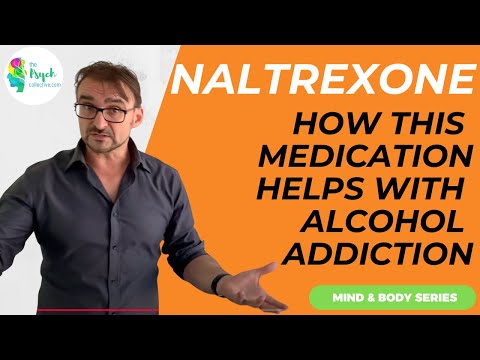
Naltrexone
Buprenorphine

Note: Treatment centers offer different forms of MAT—such as oral tablets, dissolvable films, or monthly injections—and their policies can vary based on state regulations, provider preferences, and insurance coverage. Because of these differences, it's best to contact the center directly to learn what options are available and what might be right for your situation.
Insurance Accepted












Cash Pay Rates
Levels of Care

