Foundations Minnesota - PRIDE Minneapolis
Treatment Focus
This center treats substance use disorders and co-occurring mental health conditions. Your treatment plan addresses each condition at once with personalized, compassionate care for comprehensive healing.
Primary Level of Care
Outpatient treatment offers flexible therapeutic and medical care without the need to stay overnight in a hospital or inpatient facility. Some centers offer intensive outpatient program (IOP), which falls between inpatient care and traditional outpatient service.
Claimed
Recovery.com has connected directly with this treatment provider to validate the information in their profile.
Treatment Focus
This center treats substance use disorders and co-occurring mental health conditions. Your treatment plan addresses each condition at once with personalized, compassionate care for comprehensive healing.
Primary Level of Care
Outpatient treatment offers flexible therapeutic and medical care without the need to stay overnight in a hospital or inpatient facility. Some centers offer intensive outpatient program (IOP), which falls between inpatient care and traditional outpatient service.
Provider's Policy
Wondering how you are going to pay for treatment can be daunting, but we’ve made it easier for you by accepting most insurances. With insurance most clients pay between $0 and $2,000, depending on individual plans. Unfortunately, we do not accept Medicare or out-of-state Medicaid programs.
Foundations Minnesota - PRIDE Minneapolis
About Foundations Minnesota - PRIDE Minneapolis
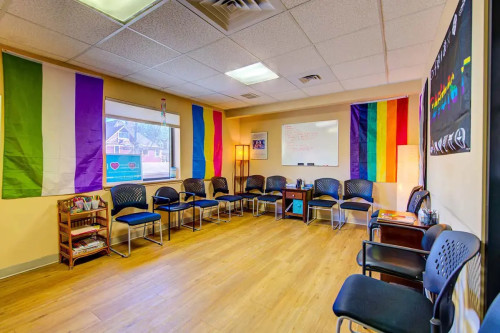
In uptown Minneapolis, this Foundations center is home to the PRIDE Program, a specialized LGBTQ+ -centered addiction treatment and co-occurring mental health service. The program delivers inclusive, identity-informed care, addressing unique experiences, and helping clients feel understood and accepted. This location offers a day treatment program (PHP) with optional housing, intensive outpatient program (IOP), outpatient rehab, and virtual treatment options. Additional services within the PRIDE Program include sexual health education and support.
Engage in Mind- & Body-Based Therapies
Foundations’ approach addresses all aspects of an individual’s well-being. Through process groups, individual sessions, and family therapy, patients come to understand the cause and effect of their condition and discover positive coping strategies. Holistic therapy, spiritual education, and meditation help patients nurture the body and calm the mind. This blend of evidence-based and holistic care helps patients manage cravings, develop healthier habits, and enhance their overall physical and emotional well-being for the long haul.
Support Healing with Appropriate Medications
Whether receiving treatment for addiction, mental health, or both, programs include a comprehensive evaluation conducted by one of Foundations’ experienced psychiatrists. If necessary, psychiatrists may prescribe medications to stabilize symptoms or support their recovery. The treatment team also provides ongoing medication management and monitoring to ensure medications are effective and safe.
Remain Committed to Sobriety with Aftercare
Foundations offers continued support to help patients stay on track with their recovery goals. Key elements in their aftercare program include ongoing therapy and educational classes, as well as an alumni program to stay connected with a supportive community. Through organized outings, support meetings, and celebrations, alumni have a peer network to lean on when they need additional accountability and encouragement.
Receive Competent, LGBTQ+-Affirming Care
Foundations Minnesota’s PRIDE program is specifically developed for LGBTQIA2+ clients. Their inclusive and affirming environment removes barriers often found in non-LGBTQ+-tailored treatment settings, ensuring clients receive 24/7 support from knowledgeable staff and peers who understand their experiences.
Highlights from the Center
Highlights
These highlights are provided by and paid for by the center.
Customized Treatment Plans
Addiction Recovery
Trauma Treatment
Center Overview
Treatment Focus
This center treats substance use disorders and co-occurring mental health conditions. Your treatment plan addresses each condition at once with personalized, compassionate care for comprehensive healing.
Supportive Medication for Recovery
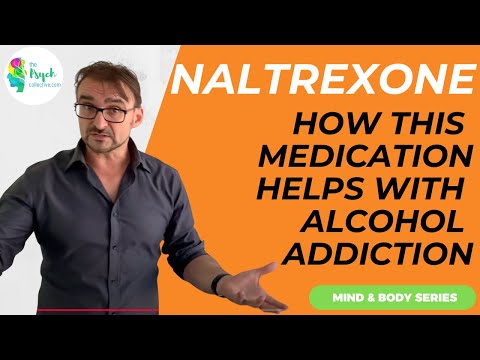
Medication-Assisted Treatment (MAT) is an evidence-based approach that pairs FDA-approved medications with counseling to treat addiction. The medications are used to reduce cravings, ease withdrawal symptoms, or block the effects of substances. More about MAT
Methadone
Naltrexone
Buprenorphine
Note: Treatment centers offer different forms of MAT—such as oral tablets, dissolvable films, or monthly injections—and their policies can vary based on state regulations, provider preferences, and insurance coverage. Because of these differences, it's best to contact the center directly to learn what options are available and what might be right for your situation.
Insurance Accepted

Cash Pay Rates
Estimated Cash Pay Rate
Center pricing can vary based on program and length of stay. Contact the center for more information. Recovery.com strives for price transparency so you can make an informed decision.
Meet Your Care Team

Dr. Patrick Zhao (he/him)
Psychiatrist and Medical Director
MD

Div Mehta (he/him)
Chief Executive Officer
MBBS, MBA, MHA

Meena Iyer (she/they)
Director of Nursing
DNP, MN, BA, RN, PHN

Meghan Bang (she/her)
Director of Utilization Management/Compliance
LADC-S

Kaylee Hoaby (she/they)
Director of Marketing and Business Development

Jessica Rice (she/her)
Admissions supervisor
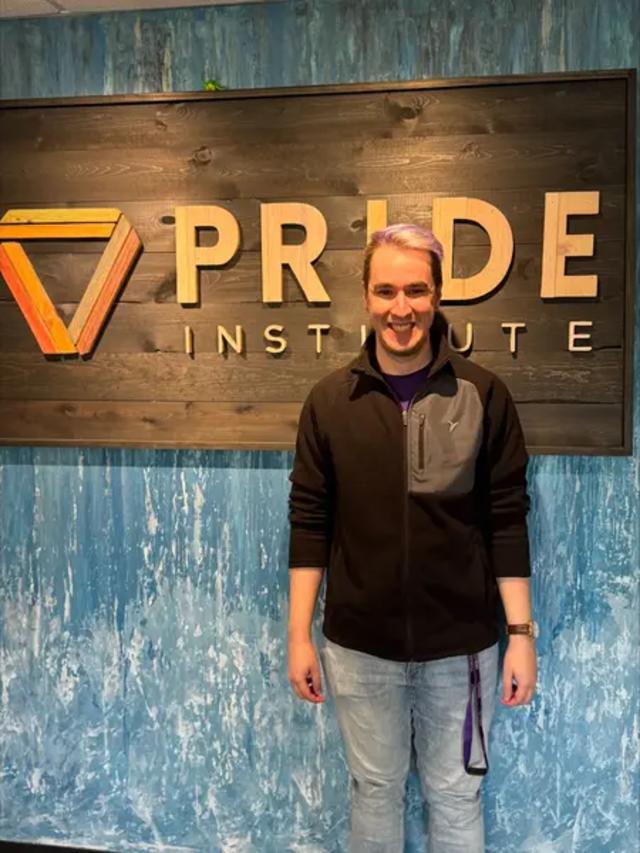
Graham Waitt
Director of Outpatient Services
LADC-S
Levels of Care
Your Care Options
Specializations
Alcohol
Using alcohol as a coping mechanism, or drinking excessively throughout the week, signals an alcohol use disorder.
Co-Occurring Disorders
A person with multiple mental health diagnoses, such as addiction and depression, has co-occurring disorders also called dual diagnosis.
Drug Addiction
Drug addiction is the excessive and repetitive use of substances, despite harmful consequences to a person's life, health, and relationships.
LGBTQ+
Addiction and mental illnesses in the LGBTQ+ community must be treated with an affirming, safe, and relevant approach, which many centers provide.
Who We Treat
LGBTQ+
Addiction and mental illnesses in the LGBTQ+ community must be treated with an affirming, safe, and relevant approach, which many centers provide.
Men and Women
Men and women attend treatment for addiction in a co-ed setting, going to therapy groups together to share experiences, struggles, and successes.
Approaches
Evidence-Based
A combination of scientifically rooted therapies and treatments make up evidence-based care, defined by their measured and proven results.
Gender-Specific
Separate treatment for men or women can create strong peer connections and remove barriers related to trauma, shame, and gender-specific nuances.
Holistic
A non-medicinal, wellness-focused approach that aims to align the mind, body, and spirit for deep and lasting healing.
Therapies
1-on-1 Counseling
Patient and therapist meet 1-on-1 to work through difficult emotions and behavioral challenges in a personal, private setting.
Art Therapy
Visual art invites patients to examine the emotions within their work, focusing on the process of creativity and its gentle therapeutic power.
Experiential Therapy
With this approach, patients heal by doing. Therapists help patients process difficult emotions to speak, using guided activities like art or dance.
Expressive Arts
Creative processes like art, writing, or dance use inner creative desires to help boost confidence, emotional growth, and initiate change.
Family Therapy
Family therapy addresses group dynamics within a family system, with a focus on improving communication and interrupting unhealthy relationship patterns.
Medication-Assisted Treatment
Combined with behavioral therapy, prescribed medications can enhance treatment by relieving withdrawal symptoms and focus patients on their recovery.
Languages
Conditions We Treat
ADHD, ADD
ADHD is a common mental health condition caused by dopamine imbalance. Common symptoms include inattention, hyperactivitiy, and impulsivity.
Anger
Although anger itself isn't a disorder, it can get out of hand. If this feeling interferes with your relationships and daily functioning, treatment can help.
Anxiety
Anxiety is a common mental health condition that can include excessive worry, panic attacks, physical tension, and increased blood pressure.
Bipolar
This mental health condition is characterized by extreme mood swings between depression, mania, and remission.
Chemsex
Also called Party 'n' Play (PnP), chemsex refers to using drugs, like methamphetamine, to enhance sexual activity.
Codependency
Codependency is a pattern of emotional dependence and controlling behavior. It's most common among people with addicted loved ones.
Depression
Symptoms of depression may include fatigue, a sense of numbness, and loss of interest in activities. This condition can range from mild to severe.
Post Traumatic Stress Disorder
PTSD is a long-term mental health issue caused by a disturbing event or events. Symptoms include anxiety, dissociation, flashbacks, and intrusive thoughts.
Stress
Stress is a natural reaction to challenges, and it can even help you adapt. However, chronic stress can cause physical and mental health issues.
Substances We Treat
Alcohol
Using alcohol as a coping mechanism, or drinking excessively throughout the week, signals an alcohol use disorder.
Benzodiazepines
Benzodiazepines are prescribed to treat anxiety and sleep issues. They are highly habit forming, and their use can cause mood changes and poor judgement.
Chronic Relapse
Consistent relapse occurs repeatedly, after partial recovery from addiction. This condition requires long-term treatment.
Co-Occurring Disorders
A person with multiple mental health diagnoses, such as addiction and depression, has co-occurring disorders also called dual diagnosis.
Cocaine
Cocaine is a stimulant with euphoric effects. Agitation, muscle ticks, psychosis, and heart issues are common symptoms of cocaine use.
Drug Addiction
Drug addiction is the excessive and repetitive use of substances, despite harmful consequences to a person's life, health, and relationships.
Heroin
Heroin is a highly addictive and illegal opioid. It can cause insomnia, collapsed veins, heart issues, and additional mental health issues.
Methamphetamine
Methamphetamine, or meth, increases energy, agitation, and paranoia. Long-term use can result in severe physical and mental health issues.
Aftercare
Care Designed for Your Needs
Special Considerations
LGBTQ group
Group therapy unites LGBTQ+ patients in a safe and culturally competent setting, encouraging peer support under the expert leadership of a therapist.