Find Treatment By
Rehabs by Location


Learn
About Us
Recovery.com combines independent research with expert guidance on addiction and mental health treatment. Our mission is to help everyone find the best path to recovery through the most comprehensive, helpful network of treatment providers worldwide.
Advisory Council
Our advisory council brings together leaders in behavioral health, technology, and business. Their diverse expertise ensures our resources and product are innovative, evidence-based, and effective. They guide our mission as accomplished individuals dedicated to improving the landscape of addiction recovery and mental wellness.
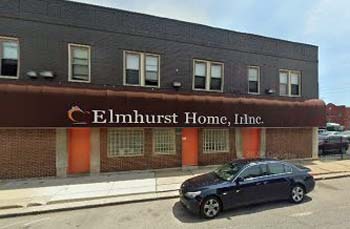
Elmhurst Home Outpatient
Elmhurst Home Outpatient
Elmhurst Home Outpatient
About Elmhurst Home Outpatient
Elmhurst Home offers outpatient treatment for residents of Wayne County with substance use and mental health concerns in the Boston-Edison Historic District of Detroit. Elmhurst Home, Inc. is a non-profit organization and strives to make treatment accessible for all, so no one is turned away for lack of insurance or ability to pay. The 38 Plymouth and 29 Linwood bus lines stop minutes from the building, providing access to much of Detroit. Additionally, Elmhurst Home provides transportation for participants in its outpatient programs.
Levels of Care
Elmhurst Home offers traditional outpatient treatment and an intensive outpatient treatment program (IOP). The IOP meets more frequently and is a good fit for clients needing a higher level of care. Participants in both of these programs must live in Wayne County.
Treatment Methods
Elmhurst offers psychiatric evaluation and medication management for clients in the outpatient and intensive outpatient program (IOP). Clients participate in weekly individual therapy sessions, which incorporate cognitive behavioral therapy and drama therapy, using role play to help facilitate healthy change. Elmhurst Home offers gender-specific group therapy sessions, addressing ways that mental health and substance use affects men and women differently. Clients also learn through psychoeducation, helping them to better understand their conditions and how to cope in healthy ways. Elmhurst Home provides case management for participants in the outpatient programs.
Center Overview
Supportive Medication for Recovery
Medication-Assisted Treatment (MAT) is an evidence-based approach that pairs FDA-approved medications with counseling to treat addiction. The medications are used to reduce cravings, ease withdrawal symptoms, or block the effects of substances. More about MAT
This center prescribes medications for opioid use disorder.
This center accepts patients receiving MAT prescribed elsewhere for alcohol use disorder, but does not prescribe it.
Note: Treatment centers offer different forms of MAT—such as oral tablets, dissolvable films, or monthly injections—and their policies can vary based on state regulations, provider preferences, and insurance coverage. Because of these differences, it's best to contact the center directly to learn what options are available and what might be right for your situation.
Insurance Accepted


Cash Pay Rates
Levels of Care

