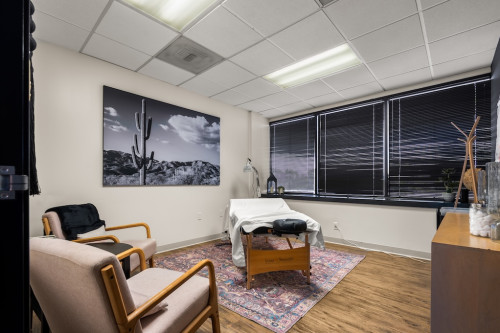
Element Q Healing Center
Verified Center
This provider's information has been quality-checked by Recovery.com's Research Team for accuracy and completeness, including center verification through appropriate third-party organizations.
Treatment Focus
This center treats substance use disorders and mental health conditions. You'll receive individualized care catered to your unique situation and diagnosis, learn practical skills for recovery, and make new connections in a restorative environment.
Primary Level of Care
Outpatient treatment offers flexible therapeutic and medical care without the need to stay overnight in a hospital or inpatient facility. Some centers offer intensive outpatient program (IOP), which falls between inpatient care and traditional outpatient service.
Treatment Focus
This center treats substance use disorders and mental health conditions. You'll receive individualized care catered to your unique situation and diagnosis, learn practical skills for recovery, and make new connections in a restorative environment.
Primary Level of Care
Outpatient treatment offers flexible therapeutic and medical care without the need to stay overnight in a hospital or inpatient facility. Some centers offer intensive outpatient program (IOP), which falls between inpatient care and traditional outpatient service.
Provider's Policy
At Element Q Healing Center, we’re committed to providing affirming and accessible care for the LGBTQIA+ community. We proudly offer affordable treatment options that are covered by most insurance companies.
Element Q Healing Center
About Element Q Healing Center
Recovery is deeply personal, and for members of the LGBTQIA+ community, it often requires care that truly affirms identity and lived experience. At Element Q Healing Center, every therapist and case manager identifies as LGBTQIA+, bringing a shared understanding into the care they provide. Through an inclusive, trauma-informed approach, clients receive individualized support for mental health, trauma, and substance use—creating a foundation for meaningful, lasting healing.
Strengthen Inner Alignment and Resilience
Element Q Healing Center blends evidence-based therapies with holistic practices, supporting the full complexity of each individual. Trauma-focused modalities like eye movement desensitization and reprocessing (EMDR) and somatic therapy help clients process deeply held experiences, while cognitive behavioral therapy (CBT) and dialectical behavior therapy (DBT) address thought and behavioral patterns. Acupuncture, reiki, and trauma-informed yoga further enhance healing by engaging the mind, body, and spirit as interconnected parts of recovery.
Sustain Progress With Steady, Ongoing Support
For clients stepping down from day treatment (PHP) or intensive outpatient care (IOP), Element Q Healing Center offers structured outpatient support to maintain progress and stability. Through continued therapy and personalized care, clients strengthen the tools needed for long-term recovery while staying grounded in an approach that affirms their identity and lived experience.

Center Overview
Treatment Focus
This center treats substance use disorders and mental health conditions. You'll receive individualized care catered to your unique situation and diagnosis, learn practical skills for recovery, and make new connections in a restorative environment.
Joint Commission Accredited
The Joint Commission accreditation is a voluntary, objective process that evaluates and accredits healthcare organizations (like treatment centers) based on performance standards designed to improve quality and safety for patients. To be accredited means the treatment center has been found to meet the Commission's standards for quality and safety in patient care.
Insurance Accepted


Recovery.com Verified Listing
Recovery.com verified that the name, location, contact information and license to operate for this treatment provider are valid and up-to-date.
Joint Commission Accredited

Licensed by California DHCS

NAATP Member
Recovery.com is an independent, third-party mental health resource. Verification does not imply endorsement and does not guarantee the quality of treatment services.
Meet Your Care Team

Dr. Max Doshay
CEO, EMDR Practitioner

Nicole Simpson
Chief Development Officer

Molly Maddocks
Chief Operations Officer

Kat Grassetti
Chief Clinical Officer, EMDR Practitioner
LCSW

TJ Woodward
Chief Wellness Officer

Dr. Sarita Shah
Psychiatrist

Jill Sexton
Psychiatric Nurse Practitioner
NP

Dr. Shannon Franklin
Director of Clinical Training, EMDR Practitioner

Tay Richardson
Clinical Director, EMDR Practitioner, CIIS Certified Sex Therapist
LPCC
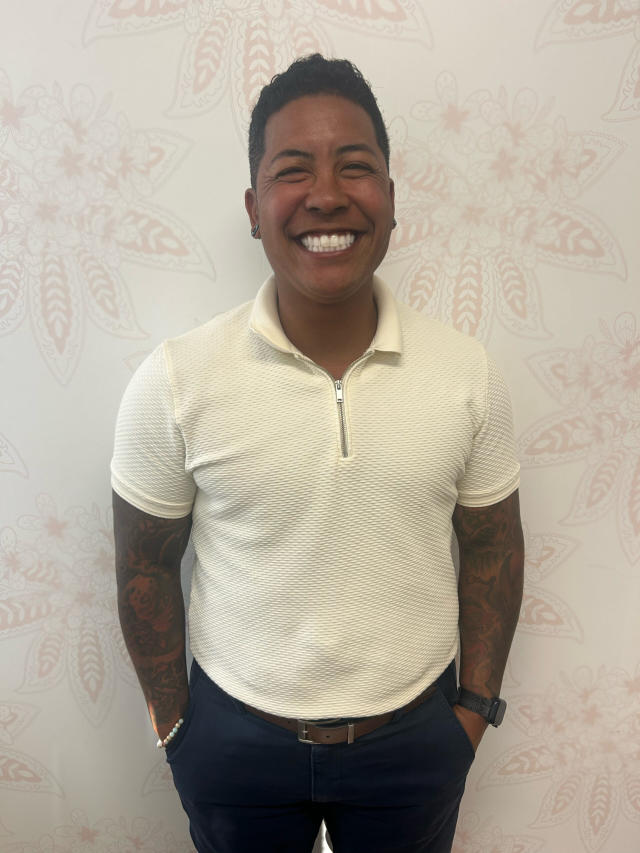
Keoni Carthen
Director of Operations
ASW

Dr. Mae Casanova
Clinician, EMDR Practitioner
MS, MA, PsyD

Dr. Olivia Ratcliff-Totty
Clinician

Faith Abercrombie
Community Outreach Coordinator
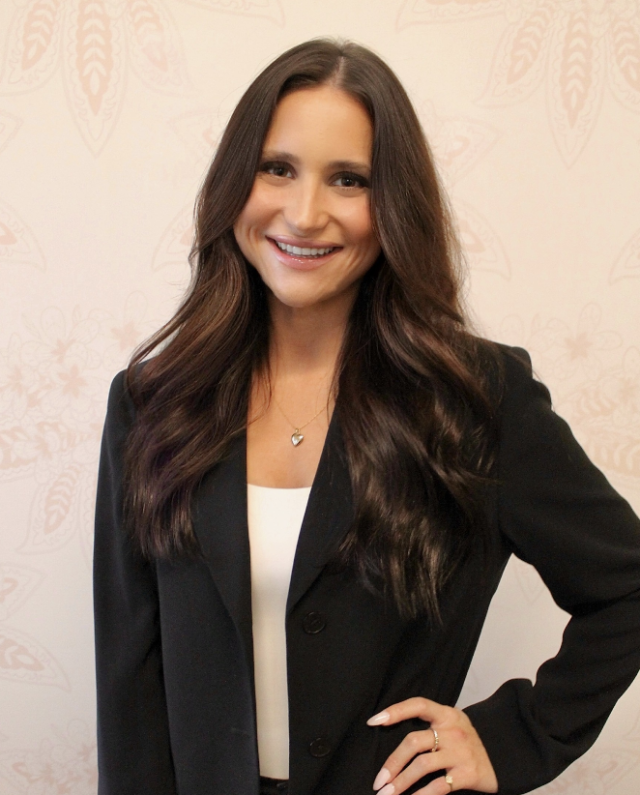
Dr. Kirstyn Perry
Director of Neuropsych Assessment, EMDR Practitioner
MA, PsyD

Katie Noder
Admissions Coordinator

Dr. Lucy Love
Doctor of Acupuncture & Chinese Medicine

Dr. RB Robles
Doctor of Acupuncture and Oriental Medicine
DAOM, L.AC

Dr. Rose Schlaff
Doctor of Physical Therapy
PT, DPT, WHC, IF

Ariane Porras
Somatic Healing Practitioner

Julia Balto
Clinical Hypnotist
MSc, NBC-HWC

Alexis Smith
Trauma-Informed Yoga Instructor
LCSW

Remy Heise
Mental Health Technician
Your Care Options
Specializations
Anxiety
Anxiety is a common mental health condition that can include excessive worry, panic attacks, physical tension, and increased blood pressure.
Co-Occurring Disorders
A person with multiple mental health diagnoses, such as addiction and depression, has co-occurring disorders also called dual diagnosis.
Depression
Symptoms of depression may include fatigue, a sense of numbness, and loss of interest in activities. This condition can range from mild to severe.
Drug Addiction
Drug addiction is the excessive and repetitive use of substances, despite harmful consequences to a person's life, health, and relationships.
LGBTQ+
Addiction and mental illnesses in the LGBTQ+ community must be treated with an affirming, safe, and relevant approach, which many centers provide.
Outpatient
During outpatient rehab, patients attend a structured treatment program while continuing to live at home.
Trauma
Some traumatic events are so disturbing that they cause long-term mental health problems. Those ongoing issues can also be referred to as "trauma."
Chemsex
Also called Party 'n' Play (PnP), chemsex refers to using drugs, like methamphetamine, to enhance sexual activity.
Who We Treat
Young Adults
Emerging adults ages 18-25 receive treatment catered to the unique challenges of early adulthood, like college, risky behaviors, and vocational struggles.
LGBTQ+
Addiction and mental illnesses in the LGBTQ+ community must be treated with an affirming, safe, and relevant approach, which many centers provide.
LGBTQ+ only
Those who identify as LGBTQ+ receive treatment for addiction and mental health with others in the community, making treatment highly relevant and effective.
Men and Women
Men and women attend treatment for addiction in a co-ed setting, going to therapy groups together to share experiences, struggles, and successes.
Mild Disabilities
Adults with mild physical or intellectual disabilities receive treatment catered to their specific needs in a safe and clinically supportive environment.
Treatment Services
Day Treatment
Also commonly called PHP, patients may live at home or in a recovery residence while following an intensive treatment program. Most have a weekly schedule of M–F and 4 to 6 hours per day.
Intensive Outpatient Program
In an IOP, patients live at home or a sober living, but attend treatment typically 9-15 hours a week. Most programs include talk therapy, support groups, and other methods.
Licensed Primary Mental Health
Some primary care providers offer mental health diagnosis and treatment. This can prevent patients from developing more serious conditions.
Outpatient
During outpatient rehab, patients attend a structured treatment program while continuing to live at home.
Approaches
Evidence-Based
A combination of scientifically rooted therapies and treatments make up evidence-based care, defined by their measured and proven results.
Experiential
Expressive tools and therapies help patients process past situations, learn more about themselves, and find healing through action.
Holistic
A non-medicinal, wellness-focused approach that aims to align the mind, body, and spirit for deep and lasting healing.
Individual Treatment
Individual care meets the needs of each patient, using personalized treatment to provide them the most relevant care and greatest chance of success.
Therapies
1-on-1 Counseling
Patient and therapist meet 1-on-1 to work through difficult emotions and behavioral challenges in a personal, private setting.
Acceptance and Commitment Therapy (ACT)
This cognitive behavioral therapy teaches patients to accept challenging feelings and make the appropriate changes to reach personal goals.
Adventure Therapy
This experiential approach uses the physical and emotional challenges of outdoor activities as tools for personal growth.
Animal Therapy
Animals can inspire trust and self-worth. In this experiential therapy, guided interactions are used to improve social skills and emotion regulation.
Aromatherapy
Inhaling or topically applying essential oils can help relieve stress, soothe pains, and relieve emotional distress.
Art Therapy
Visual art invites patients to examine the emotions within their work, focusing on the process of creativity and its gentle therapeutic power.
Dance Therapy
This experiential therapy uses dance to improve body awareness, physical health, and social skills.
Languages
Conditions We Treat
ADHD, ADD
ADHD is a common mental health condition caused by dopamine imbalance. Common symptoms include inattention, hyperactivitiy, and impulsivity.
Anger
Although anger itself isn't a disorder, it can get out of hand. If this feeling interferes with your relationships and daily functioning, treatment can help.
Anxiety
Anxiety is a common mental health condition that can include excessive worry, panic attacks, physical tension, and increased blood pressure.
Bipolar
This mental health condition is characterized by extreme mood swings between depression, mania, and remission.
Burnout
Burnout entails mental and physical exhaustion, and leads to a severe lack of fulfillment. This condition is often caused by overwork.
Codependency
Codependency is a pattern of emotional dependence and controlling behavior. It's most common among people with addicted loved ones.
Depression
Symptoms of depression may include fatigue, a sense of numbness, and loss of interest in activities. This condition can range from mild to severe.
Eating Disorders
An eating disorder is a long-term pattern of unhealthy behavior relating to food. Most people with eating disorders have a distorted self-image.
Gambling
Excessive, repetitive gambling causes financial and interpersonal problems. This addiction can interfere with work, friendships, and familial relationships.
Substances We Treat
Alcohol
Using alcohol as a coping mechanism, or drinking excessively throughout the week, signals an alcohol use disorder.
Benzodiazepines
Benzodiazepines are prescribed to treat anxiety and sleep issues. They are highly habit forming, and their abuse can cause mood changes and poor judgement.
Chronic Relapse
Consistent relapse occurs repeatedly, after partial recovery from addiction. This condition requires long-term treatment.
Co-Occurring Disorders
A person with multiple mental health diagnoses, such as addiction and depression, has co-occurring disorders also called dual diagnosis.
Cocaine
Cocaine is a stimulant with euphoric effects. Agitation, muscle ticks, psychosis, and heart issues are common symptoms of cocaine abuse.
Drug Addiction
Drug addiction is the excessive and repetitive use of substances, despite harmful consequences to a person's life, health, and relationships.
Ecstasy
Ecstasy is a stimulant that causes intense euphoria and heightened awareness. Abuse of this drug can trigger depression, insomnia, and memory problems.
Heroin
Heroin is a highly addictive and illegal opioid. It can cause insomnia, collapsed veins, heart issues, and additional mental health issues.
Methamphetamine
Methamphetamine, or meth, increases energy, agitation, and paranoia. Long-term use can result in severe physical and mental health issues.
Aftercare
Care Designed for Your Needs
Amenities
Special Considerations
LGBTQ group
Group therapy unites LGBTQ+ patients in a safe and culturally competent setting, encouraging peer support under the expert leadership of a therapist.
Activities
Yoga
Yoga is both a physical and spiritual practice. It includes a flow of movement, breathing techniques, and meditation.
Off-Site Activities
Off-Site Amenities
Learn More About the Center
Navigate Life After Family Estrangement
Develop resilience and confidence while navigating life without consistent family support.
Learn the Effects of Poppers
Understand potential health risks and safety concerns associated with using poppers.
Find Support While Navigating Gender Dysphoria
Explore supportive resources and connections that can help reduce isolation and build understanding.
Explore How Chemsex Affects Health
Gain insight into the physical, mental, and emotional effects linked to chemsex experiences.