Find Treatment By
Rehabs by Location


Find Treatment By
Learn
About Us
Recovery.com combines independent research with expert guidance on addiction and mental health treatment. Our mission is to help everyone find the best path to recovery through the most comprehensive, helpful network of treatment providers worldwide.
Advisory Council
Our advisory council brings together leaders in behavioral health, technology, and business. Their diverse expertise ensures our resources and product are innovative, evidence-based, and effective. They guide our mission as accomplished individuals dedicated to improving the landscape of addiction recovery and mental wellness.
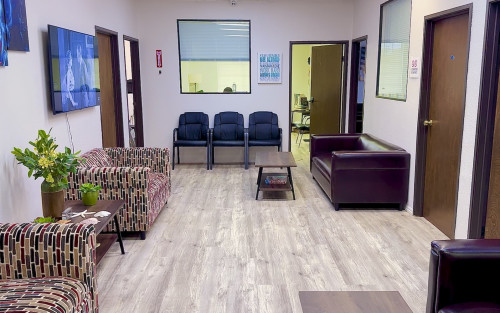
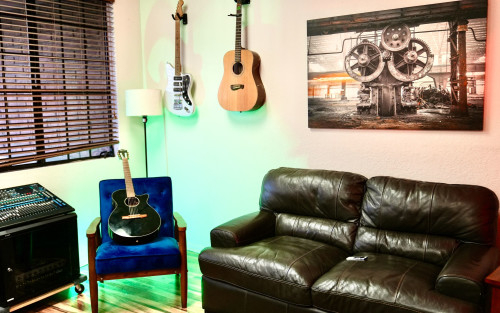
Creo Recovery Center
Treatment Focus
This center treats substance use disorders and mental health conditions. You'll receive individualized care catered to your unique situation and diagnosis, learn practical skills for recovery, and make new connections in a restorative environment.
Primary Level of Care
Outpatient treatment offers flexible therapeutic and medical care without the need to stay overnight in a hospital or inpatient facility. Some centers offer intensive outpatient program (IOP), which falls between inpatient care and traditional outpatient service.
Claimed
Recovery.com has connected directly with this treatment provider to validate the information in their profile.
Treatment Focus
This center treats substance use disorders and mental health conditions. You'll receive individualized care catered to your unique situation and diagnosis, learn practical skills for recovery, and make new connections in a restorative environment.
Primary Level of Care
Outpatient treatment offers flexible therapeutic and medical care without the need to stay overnight in a hospital or inpatient facility. Some centers offer intensive outpatient program (IOP), which falls between inpatient care and traditional outpatient service.
Provider's Policy
Creo Recovery offers a free insurance benefits check to anyone who contacts them. Whether you come to their program or not, they will help you find the best treatment options that fit your personal needs.
Creo Recovery Center
Creo Recovery Center
About Creo Recovery Center
Creo Recovery Center is a creative-based outpatient treatment center located in Santa Ana, CA. Creo specializes in the treatment of substance use and mental health issues with special treatment tracks for professionals, executives, and couples.
Creative Expression Integrated into Evidence-Based Therapies
They combine evidence-based therapies like cognitive behavioral therapy (CBT), dialectical behavior therapy (DBT), trauma-informed care, and motivational interviewing with their creative recovery approach. They integrate music, writing, and experiential expression into treatment to help clients process emotions, rebuild identity, and develop healthy coping strategies beyond traditional talk therapy.
Their on-site recording and podcast studio allows clients to engage in music, voice, and content creation as part of their recovery process. Clients can express themselves through guided sessions, develop new skills, and build confidence while processing emotions in a meaningful, non-traditional way.
Healing for Individuals and Couples
Creo Recovery offers a couples program designed to help partners heal both individually and within the relationship. Their approach combines evidence-based therapies with structured couples work to address communication breakdown, trust issues, and the impact of mental health or substance use on the relationship. Couples participate in a blend of joint sessions and individual therapy, allowing each person to work on personal growth while developing healthier patterns together. Treatment focuses on rebuilding trust, improving communication, establishing boundaries, and creating a shared vision for long-term stability.
Optional Christian Counseling
Creo Recovery offers a voluntary Christian faith-based track for clients who wish to incorporate their spiritual beliefs into the recovery process. This track complements the evidence-based clinical care. The Christian track includes Biblical principles related to healing, forgiveness, and restoration. They facilitate optional prayer and devotional practices, spiritually informed group discussions, and values-based guidance aligned with Christian teachings.
Creo Recovery remains a clinically driven, inclusive program, welcoming individuals regardless of background, belief system, or religious affiliation. They aim to deliver their services in a trauma-informed, culturally competent environment, with respect for each client's autonomy and preferences.
Center Overview
Treatment Focus
This center treats substance use disorders and mental health conditions. You'll receive individualized care catered to your unique situation and diagnosis, learn practical skills for recovery, and make new connections in a restorative environment.
Joint Commission Accredited
The Joint Commission accreditation is a voluntary, objective process that evaluates and accredits healthcare organizations (like treatment centers) based on performance standards designed to improve quality and safety for patients. To be accredited means the treatment center has been found to meet the Commission's standards for quality and safety in patient care.
Insurance Accepted






Cash Pay Rates
Estimated Cash Pay Rate
Center pricing can vary based on program and length of stay. Contact the center for more information. Recovery.com strives for price transparency so you can make an informed decision.
Levels of Care


Your Care Options
Specializations
Alcohol
Using alcohol as a coping mechanism, or drinking excessively throughout the week, signals an alcohol use disorder.
Drug Addiction
Drug addiction is the excessive and repetitive use of substances, despite harmful consequences to a person's life, health, and relationships.
Professionals
Busy, high-ranking professionals get the personalized treatment they need with greater accommodations for work, privacy, and outside communication.
First Responders Program
Paramedics, police officers, firefighters, and others join in a specific First Responders program, usually focused on trauma, grief, and work-life balance.
Who We Treat
Executives
Executive treatment programs typically directly support the needs of people who manage businesses and may provide flexible schedules and office space to allow work during treatment.
Men and Women
Men and women attend treatment for addiction in a co-ed setting, going to therapy groups together to share experiences, struggles, and successes.
Professionals
Busy, high-ranking professionals get the personalized treatment they need with greater accommodations for work, privacy, and outside communication.
Approaches
Evidence-Based
A combination of scientifically rooted therapies and treatments make up evidence-based care, defined by their measured and proven results.
Experiential
Expressive tools and therapies help patients process past situations, learn more about themselves, and find healing through action.
Family Involvement
Providers involve family in the treatment of their loved one through family therapy, visits, or both–because addiction is a family disease.
Individual Treatment
Individual care meets the needs of each patient, using personalized treatment to provide them the most relevant care and greatest chance of success.
Therapies
1-on-1 Counseling
Patient and therapist meet 1-on-1 to work through difficult emotions and behavioral challenges in a personal, private setting.
Acceptance and Commitment Therapy (ACT)
This cognitive behavioral therapy teaches patients to accept challenging feelings and make the appropriate changes to reach personal goals.
Adventure Therapy
This experiential approach uses the physical and emotional challenges of outdoor activities as tools for personal growth.
Animal Therapy
Animals can inspire trust and self-worth. In this experiential therapy, guided interactions are used to improve social skills and emotion regulation.
Art Therapy
Visual art invites patients to examine the emotions within their work, focusing on the process of creativity and its gentle therapeutic power.
Couples Counseling
Partners work to improve their communication patterns, using advice from their therapist to better their relationship and make healthy changes.
Experiential Therapy
With this approach, patients heal by doing. Therapists help patients process difficult emotions to speak, using guided activities like art or dance.
Languages
Conditions We Treat
ADHD, ADD
ADHD is a common mental health condition caused by dopamine imbalance. Common symptoms include inattention, hyperactivitiy, and impulsivity.
Anger
Although anger itself isn't a disorder, it can get out of hand. If this feeling interferes with your relationships and daily functioning, treatment can help.
Anxiety
Anxiety is a common mental health condition that can include excessive worry, panic attacks, physical tension, and increased blood pressure.
Bipolar
This mental health condition is characterized by extreme mood swings between depression, mania, and remission.
Burnout
Burnout entails mental and physical exhaustion, and leads to a severe lack of fulfillment. This condition is often caused by overwork.
Chronic Pain Management
Long-term physical pain can have an affect on mental health. Without support, it can also impact your daily life and even lead to addiction.
Codependency
Codependency is a pattern of emotional dependence and controlling behavior. It's most common among people with addicted loved ones.
Depression
Symptoms of depression may include fatigue, a sense of numbness, and loss of interest in activities. This condition can range from mild to severe.
Gambling
Excessive, repetitive gambling causes financial and interpersonal problems. This addiction can interfere with work, friendships, and familial relationships.
Substances We Treat
Alcohol
Using alcohol as a coping mechanism, or drinking excessively throughout the week, signals an alcohol use disorder.
Benzodiazepines
Benzodiazepines are prescribed to treat anxiety and sleep issues. They are highly habit forming, and their abuse can cause mood changes and poor judgement.
Chronic Relapse
Consistent relapse occurs repeatedly, after partial recovery from addiction. This condition requires long-term treatment.
Co-Occurring Disorders
A person with multiple mental health diagnoses, such as addiction and depression, has co-occurring disorders also called dual diagnosis.
Cocaine
Cocaine is a stimulant with euphoric effects. Agitation, muscle ticks, psychosis, and heart issues are common symptoms of cocaine abuse.
Drug Addiction
Drug addiction is the excessive and repetitive use of substances, despite harmful consequences to a person's life, health, and relationships.
Ecstasy
Ecstasy is a stimulant that causes intense euphoria and heightened awareness. Abuse of this drug can trigger depression, insomnia, and memory problems.
Heroin
Heroin is a highly addictive and illegal opioid. It can cause insomnia, collapsed veins, heart issues, and additional mental health issues.
Aftercare
Care Designed for Your Needs
Amenities
Special Considerations
First Responders Program
Paramedics, police officers, firefighters, and others join in a specific First Responders program, usually focused on trauma, grief, and work-life balance.
Couples program
Using gentle clinical care, therapists guide patients and their partner through guided sessions to address issues and work towards lasting solutions.
Young Adults Program
Programs for young adults bring teens 18+ together to discuss age-specific challenges, vocational and educational progress, and successes in treatment.
Religion-Based Track
Patients can join faith-based recovery tracks to approach recovery with others in their faith, healing in a like-minded group with similar goals.
Pet Friendly
For greater comfort and healing, pet-friendly treatment centers welcome dogs and animal companions to stay with their owners while they attend treatment.
Clients can bring their own pet(s)
For greater comfort and healing, pet-friendly treatment centers welcome dogs and animal companions to stay with their owners while they attend treatment.
Flexible technology policies
Centers with flexible technology policies allow professionals to stay in touch with work and give patients a greater sense of connection and normalcy.
Executive Program
Addiction and mental health treatment for executives typically involves high discretion, greater technology access, and more private, 1-on-1 care.
Activities
Yoga
Yoga is both a physical and spiritual practice. It includes a flow of movement, breathing techniques, and meditation.