Clear Path IOP

Substance Use and Mental Health

Treatment Focus

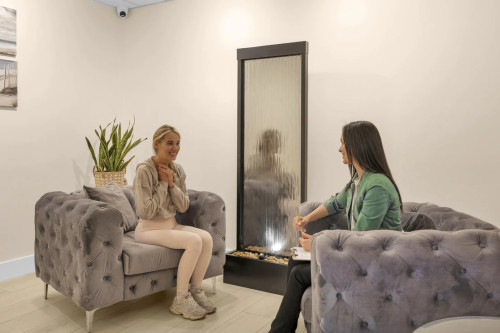
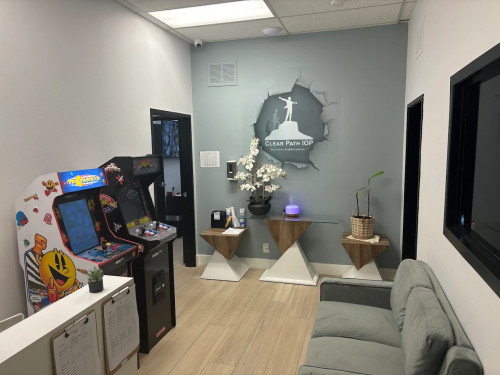
This center treats substance use disorders and mental health conditions. You'll receive individualized care catered to your unique situation and diagnosis, learn practical skills for recovery, and make new connections in a restorative environment.

Outpatient

Primary Level of Care

Outpatient treatment offers flexible therapeutic and medical care without the need to stay overnight in a hospital or inpatient facility. Some centers offer intensive outpatient program (IOP), which falls between inpatient care and traditional outpatient service.

Claimed

Claimed

Recovery.com has connected directly with this treatment provider to validate the information in their profile.

Private Pay

Private Pay

You pay directly for treatment out of pocket. This approach can offer enhanced privacy and flexibility, without involving insurance. Exact costs vary based on program and length of stay. Contact the center for specific details.

Located in Burbank, California, near the intersection of East Alameda Avenue and South San Fernando Boulevard, Clear Path IOP is an outpatient mental health and addiction treatment center serving adults. The center offers a partial hospitalization program (PHP) and an intensive outpatient program (IOP), with the IOP running 2 to 3 hours per day, 3 to 5 days per week. Both programs address anxiety, depression, trauma, grief, and anger management, along with co-occurring substance use disorders.

Cognitive Therapy and Relapse Prevention

Cognitive therapy anchors the approach with anger management and grief counseling incorporated alongside mindfulness and stress management practices. For substance use, the program administers detox support, medication management, and relapse prevention counseling. The group psychoeducation classes are used to build social skills and reinforce what clients are working through in individual sessions. Clear Path also offers employment and career counseling for clients transitioning out of the program.

Yoga Sessions and Transport Assistance

The program includes yoga and breathwork sessions led by certified instructors, using gentle movement and breathing techniques to support emotional regulation as part of structured treatment. For clients who need help getting to sessions, the center provides transportation to both IOP and PHP appointments. Family members can also be involved through family therapy, which is offered as part of the overall process. How long someone continues in the program depends on individual needs and progress in treatment.

Clear Path IOP thumbnail

Highlights from the Center

Highlights

These highlights are provided by and paid for by the center.

  • Joint Commission Accredited

AT A GLANCE

Center Overview

Location
209 E Alameda Ave Ste 100 Burbank CA 91502 View Map
Primary Focus
This center treats substance use disorders and mental health conditions....

Treatment Focus

This center treats substance use disorders and mental health conditions. You'll receive individualized care catered to your unique situation and diagnosis, learn practical skills for recovery, and make new connections in a restorative environment.

Accreditation
Joint Commission

Joint Commission Accredited

The Joint Commission accreditation is a voluntary, objective process that evaluates and accredits healthcare organizations (like treatment centers) based on performance standards designed to improve quality and safety for patients. To be accredited means the treatment center has been found to meet the Commission's standards for quality and safety in patient care.

Conditions We Treat
Anger, Anxiety, Depression, Grief and Loss +1 More
Substance Use We Treat
Alcohol, Co-Occurring Disorders, Drug Addiction
Payment

Pricing and Program Length

Estimated Center Costs

Center pricing can vary based on program and length of stay. Contact the center for more information. Recovery.com strives for price transparency so you can make an informed decision.

We don't have pricing information for this center. Please contact the center for more information.
Staff

Meet Your Care Team

La Tesha Reed

La Tesha Reed

Family Practice, NP

Noma Marquez

Noma Marquez

AMFT

Elia St. Karene

Elia St. Karene

AMFT

Diana Abramyan

Diana Abramyan

Prog Director

Care Options

Levels of Care

Substance use and mental health issues can occur simultaneously or as primary conditions. Effective treatment explores how mental health conditions contribute to addiction, and vice-versa. Many rehabs treat substance use disorders and mental health conditions with personalized care plans.
Detox
Not Offered at This Center
Typically the initial stage of treatment for substance use, focusing on medically supervised management of withdrawal symptoms.
Residential
Not Offered at This Center
Residential programs for substance use and mental health with structured care and 24/7 monitoring. Treatment takes place on-site, with behavioral health professionals often providing care in group, individual, and family settings.
Sober Living
Not Offered at This Center
Transitional housing designed to support individuals recovering from substance use disorders offering a safe, supportive and structured environment for practicing long-term sobriety, while reintegrating back into daily living.
Day Treatment
In a PHP, patients live at home but follow an intensive schedule of treatment. Most programs require you to be on-site for about 40 hours per week.
Intensive Outpatient Program
An intensive outpatient program (IOP) falls between inpatient care and traditional outpatient services, with therapy and skills-building activities designed to support recovery and provide flexibility. IOP is ideal for those needing support but not the 24/7 care of a residential facility.
Outpatient
Outpatient treatment offers flexible therapeutic and medical care without the need to stay overnight in a hospital or inpatient facility. Outpatient care typically offers a range of therapies and medical interventions individuals can attend alongside daily life.
Virtual & In-Home Care
Not Offered at This Center
The delivery of therapeutic services utilizing technology such as video conferencing, online messaging or phone calls, allowing for flexibility, comfort and increased access to care.
Co-Occurring Disorders
Substance use and mental health can occur simultaneously as co-occurring disorders. Treatment for co-occurring disorders involves therapy and other personalized interventions to address both conditions.
Treatment

Your Care Options

Specializations

Grief and Loss

Grief and Loss

Grief is a natural reaction to loss, but severe grief can interfere with your ability to function. You can get treatment for this condition.

Anger

Anger

Although anger itself isn't a disorder, it can get out of hand. If this feeling interferes with your relationships and daily functioning, treatment can help.

Anxiety

Anxiety

Anxiety is a common mental health condition that can include excessive worry, panic attacks, physical tension, and increased blood pressure.

Drug Addiction

Drug Addiction

Drug addiction is the excessive and repetitive use of substances, despite harmful consequences to a person's life, health, and relationships.

Who We Treat

Men
Women
Men and Women

Men and Women

Men and women attend treatment for addiction in a co-ed setting, going to therapy groups together to share experiences, struggles, and successes.

Approaches

Evidence-Based

Evidence-Based

A combination of scientifically rooted therapies and treatments make up evidence-based care, defined by their measured and proven results.

Holistic

Holistic

A non-medicinal, wellness-focused approach that aims to align the mind, body, and spirit for deep and lasting healing.

Individual Treatment

Individual Treatment

Individual care meets the needs of each patient, using personalized treatment to provide them the most relevant care and greatest chance of success.

Therapies

1-on-1 Counseling

1-on-1 Counseling

Patient and therapist meet 1-on-1 to work through difficult emotions and behavioral challenges in a personal, private setting.

Cognitive Behavioral Therapy
Family Therapy

Family Therapy

Family therapy addresses group dynamics within a family system, with a focus on improving communication and interrupting unhealthy relationship patterns.

Group Therapy
Life Skills

Life Skills

Teaching life skills like cooking, cleaning, clear communication, and even basic math provides a strong foundation for continued recovery.

Mindfulness Therapy

Mindfulness Therapy

This ancient practice can be mental, emotional, and even spiritual. In meditation, you focus your attention on the present moment without judgement.

Psychoeducation

Psychoeducation

This method combines treatment with education, teaching patients about different paths toward recovery. This empowers them to make more effective decisions.

Relapse Prevention Counseling

Relapse Prevention Counseling

Relapse prevention counselors teach patients to recognize the signs of relapse and reduce their risk.

Stress Management

Stress Management

Patients learn specific stress management techniques, like breathing exercises and how to safely anticipate triggers.

Languages

English

Conditions We Treat

Anger

Anger

Although anger itself isn't a disorder, it can get out of hand. If this feeling interferes with your relationships and daily functioning, treatment can help.

Anxiety

Anxiety

Anxiety is a common mental health condition that can include excessive worry, panic attacks, physical tension, and increased blood pressure.

Depression

Depression

Symptoms of depression may include fatigue, a sense of numbness, and loss of interest in activities. This condition can range from mild to severe.

Grief and Loss

Grief and Loss

Grief is a natural reaction to loss, but severe grief can interfere with your ability to function. You can get treatment for this condition.

Trauma

Trauma

Some traumatic events are so disturbing that they cause long-term mental health problems. Those ongoing issues can also be referred to as "trauma."

Substances We Treat

Alcohol

Alcohol

Using alcohol as a coping mechanism, or drinking excessively throughout the week, signals an alcohol use disorder.

Co-Occurring Disorders

Co-Occurring Disorders

A person with multiple mental health diagnoses, such as addiction and depression, has co-occurring disorders also called dual diagnosis.

Drug Addiction

Drug Addiction

Drug addiction is the excessive and repetitive use of substances, despite harmful consequences to a person's life, health, and relationships.

Aftercare

Medication Assistance
Employment Counseling
Experience

Care Designed for Your Needs

Personal Amenities

Transportation Assistance
Frequently Asked Questions

Further Research

The following therapies are included: stress management, group therapy and more.
Burbank, California, United States.
Clear Path IOP provides day treatment, intensive outpatient program and more.

Explore More

Easily search by condition, location, and other programs tailored to meet your needs.

Specializations