- Addiction
- Mental Health
- About Us
Rehabs by Location


Learn
About Us
Recovery.com combines independent research with expert guidance on addiction and mental health treatment. Our mission is to help everyone find the best path to recovery through the most comprehensive, helpful network of treatment providers worldwide.
Advisory Council
Our advisory council brings together leaders in behavioral health, technology, and business. Their diverse expertise ensures our resources and product are innovative, evidence-based, and effective. They guide our mission as accomplished individuals dedicated to improving the landscape of addiction recovery and mental wellness.



Carlsbad Beach Recovery
Treatment Focus
This center treats substance use disorders and mental health conditions. You'll receive individualized care catered to your unique situation and diagnosis, learn practical skills for recovery, and make new connections in a restorative environment.
Primary Level of Care
Outpatient treatment offers flexible therapeutic and medical care without the need to stay overnight in a hospital or inpatient facility. Some centers off intensive outpatient program (IOP), which falls between inpatient care and traditional outpatient service.
This provider hasn't verified their profile's information. Are you the owner of this center? Claim your listing to better manage your presence on Recovery.com.
Treatment Focus
This center treats substance use disorders and mental health conditions. You'll receive individualized care catered to your unique situation and diagnosis, learn practical skills for recovery, and make new connections in a restorative environment.
Primary Level of Care
Outpatient treatment offers flexible therapeutic and medical care without the need to stay overnight in a hospital or inpatient facility. Some centers off intensive outpatient program (IOP), which falls between inpatient care and traditional outpatient service.
Provider's Policy
We work with most major insurance providers, including Anthem BlueCross, Aetna, Cigna, Empire Blue, Regence, Premera, UnitedHealthcare, UMR, GEHA, Sutter, Magellan, Tricare and Blue Shield. We'll help you understand what your plan covers.
Carlsbad Beach Recovery
Carlsbad Beach Recovery
About Carlsbad Beach Recovery
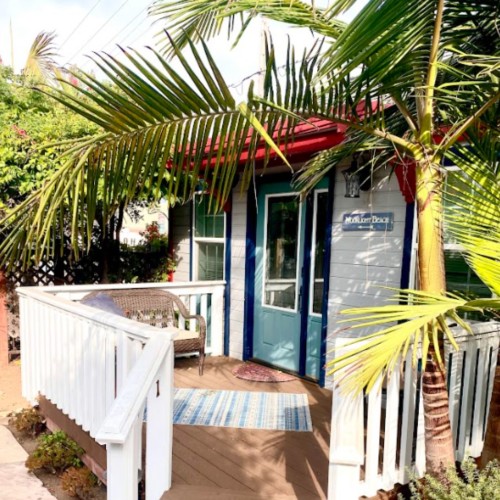
Set in San Diego County near the Pacific Ocean, Carlsbad Beach Recovery operates a counseling office for mental health, drug addiction, and behavioral addictions. Just down the road from the office, they have a small villa of sober living suites for people to help them continue their recovery from substance use or other behavioral health issues. Carlsbad Beach's programs carry a certification from the California Department of Health Care Services.
Structured Therapy Throughout the Week
Carlsbad Beach Recovery treats clients with their day (PHP) and intensive outpatient (IOP) options to help clients balance support with daily life. The day program runs 5 to 6 hours a day in person for 5 days a week to help clients with more severe symptoms or recent hospitalization, and it includes more trauma-focused treatments like eye movement desensitization and reprocessing (EMDR). The IOP program runs 3 hours a day for 3 to 5 days a week, either in person or virtually.
Both options include evidence-based talk therapy, medication management, relapse prevention planning, and life skill planning.
Sober Living in a Sunny Villa
Carlsbad Beach Recovery's sober living includes beachside bungalows that take 2 to 6 guests per building. Each building has a kitchen, living area, patio, and access to communal outdoor spaces. These houses are close to the downtown and the beach, which they recommend visiting for reflection, exercise, and mental well-being. The houses have private locks and gated entry.
Regular Aftercare for Long-Term Rhythms
In addition to the life skills, relapse prevention plans, and community living, Carlsbad Beach Recovery operates aftercare on a regular cadence to help clients maintain their recovery long-term. They run monthly get togethers like beachside barbeques, hikes, speaker nights, and volunteer events. Alumni can connect online in their support group, reach out to another alumni 1-on-1, or return to their day or IOP program short-term.
Center Overview
Treatment Focus
This center treats substance use disorders and mental health conditions. You'll receive individualized care catered to your unique situation and diagnosis, learn practical skills for recovery, and make new connections in a restorative environment.

Insurance Accepted





Cash Pay Rates
Estimated Cash Pay Rate
Center pricing can vary based on program and length of stay. Contact the center for more information. Recovery.com strives for price transparency so you can make an informed decision.
Meet Your Care Team

Bobby Nassiri
Executive Director

Rachel Querry
Clinical Director and Therapist
LCSW
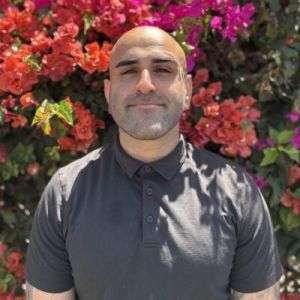
Nima Ardehali
Program Director

Dr Warren Taff
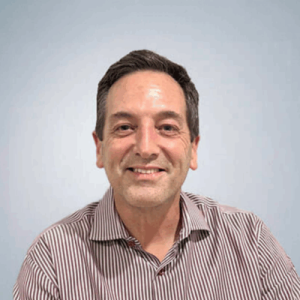
Mike Kelly
Nurse Practitioner

Melody Javid
Behavioral Health Technician

Yesmeen Mikhail
Associate Marriage and Family Therapist

Cayden Hoesch
Behavioral Health Technician
Levels of Care


Your Care Options
Specializations
Licensed Primary Mental Health
Some primary care providers offer mental health diagnosis and treatment. This can prevent patients from developing more serious conditions.
Drug Addiction
Drug addiction is the excessive and repetitive use of substances, despite harmful consequences to a person's life, health, and relationships.
Sober Living
These structured living environments help people transition out of rehab. Residents have more freedom than they do during rehab, but still follow certain rules.
Alcohol
Using alcohol as a coping mechanism, or drinking excessively throughout the week, signals an alcohol use disorder.
Who We Treat
Men and Women
Men and women attend treatment for addiction in a co-ed setting, going to therapy groups together to share experiences, struggles, and successes.
Approaches
Evidence-Based
A combination of scientifically rooted therapies and treatments make up evidence-based care, defined by their measured and proven results.
Individual Treatment
Individual care meets the needs of each patient, using personalized treatment to provide them the most relevant care and greatest chance of success.
Therapies
1-on-1 Counseling
Patient and therapist meet 1-on-1 to work through difficult emotions and behavioral challenges in a personal, private setting.
Nutrition Counseling
Nutritious food helps patients heal from within, setting them up for mental and bodily wellness as they learn about healthy eating.
Mindfulness Therapy
This ancient practice can be mental, emotional, and even spiritual. In meditation, you focus your attention on the present moment without judgement.
Life Skills
Teaching life skills like cooking, cleaning, clear communication, and even basic math provides a strong foundation for continued recovery.
Online Therapy
Patients can connect with a therapist via videochat, messaging, email, or phone. Remote therapy makes treatment more accessible.
Eye Movement Therapy (EMDR)
Lateral, guided eye movements help reduce the emotional reactions of retelling and reprocessing trauma, allowing intense feelings to dissipate.
Conditions We Treat
Post Traumatic Stress Disorder
PTSD is a long-term mental health issue caused by a disturbing event or events. Symptoms include anxiety, dissociation, flashbacks, and intrusive thoughts.
Anxiety
Anxiety is a common mental health condition that can include excessive worry, panic attacks, physical tension, and increased blood pressure.
Depression
Symptoms of depression may include fatigue, a sense of numbness, and loss of interest in activities. This condition can range from mild to severe.
Obsessive Compulsive Disorder (OCD)
OCD is characterized by intrusive and distressing thoughts that drive repetitive behaviors. This pattern disrupts daily life and relationships.
Gambling
Excessive, repetitive gambling causes financial and interpersonal problems. This addiction can interfere with work, friendships, and familial relationships.
Internet Addiction
Internet addiction is common among children teens. This compulsive disorder can damage relationships, school performance, sleep habits, and physical health.
Bipolar
This mental health condition is characterized by extreme mood swings between depression, mania, and remission.
Trauma
Some traumatic events are so disturbing that they cause long-term mental health problems. Those ongoing issues can also be referred to as "trauma."
Shopping Addiction
Excessive shopping and spending also known as compulsive buying disorder makes life unsustainable. It puts a strain on finances, relationships, and emotional well-being.
Substances We Treat
Cocaine
Cocaine is a stimulant with euphoric effects. Agitation, muscle ticks, psychosis, and heart issues are common symptoms of cocaine abuse.
Prescription Drugs
It's possible to abuse any drug, even prescribed ones. If you crave a medication, or regularly take it more than directed, you may have an addiction.
Co-Occurring Disorders
A person with multiple mental health diagnoses, such as addiction and depression, has co-occurring disorders also called dual diagnosis.
Psychedelics
Hallucinogenic drugs—like LSD—cause euphoria and increased sensory experiences. When abused, they can lead to depression and psychosis.
Drug Addiction
Drug addiction is the excessive and repetitive use of substances, despite harmful consequences to a person's life, health, and relationships.
Synthetic Drugs
Synthetic drugs are made in a lab, unlike plant-based drugs like mushrooms. Most synthetic drugs are either stimulants or synthetic cannabinoids.
Methamphetamine
Methamphetamine, or meth, increases energy, agitation, and paranoia. Long-term use can result in severe physical and mental health issues.
Opioids
Opioids produce pain-relief and euphoria, which can lead to addiction. This class of drugs includes prescribed medication and the illegal drug heroin.
Alcohol
Using alcohol as a coping mechanism, or drinking excessively throughout the week, signals an alcohol use disorder.
Languages
Aftercare
Care Designed for Your Needs
Personal Amenities
Amenities
Special Considerations
Off-Site Activities
Off-Site Amenities