Care Plus NJ

Substance Use and Mental Health

Treatment Focus

This center treats substance use disorders and mental health conditions. You'll receive individualized care catered to your unique situation and diagnosis, learn practical skills for recovery, and make new connections in a restorative environment.

Outpatient

Primary Level of Care

Outpatient treatment offers flexible therapeutic and medical care without the need to stay overnight in a hospital or inpatient facility. Some centers offer intensive outpatient program (IOP), which falls between inpatient care and traditional outpatient service.

2.8
(80)
Unclaimed

This provider hasn't verified their profile's information. Are you the owner of this center? Claim your listing to better manage your presence on Recovery.com.

Insurance

Insurance Accepted

This center accepts insurance, exact cost can vary depending on your plan and deductible.

Established in 1978, Care Plus NJ operates as a nonprofit Certified Community Behavioral Health Clinic delivering integrated primary care, behavioral health care, and substance abuse rehabilitation services. They serve individuals with mental health conditions, substance use disorder, and co-occurring mental disorders. Their programs include outpatient services and intensive outpatient care such as Crossroads to Wellness, which supports adults with acute behavioral health service needs through therapy, medication monitoring, and coordinated care.

Pathways to Care Through Outpatient and Recovery Services

Access to services at Care Plus NJ includes outpatient behavioral health care, addiction recovery services, and intensive outpatient programs. They provide evaluation and treatment planning, psychiatric evaluations, medication monitoring, and individual, group, and family therapy. Addiction recovery services include opiate withdrawal and recovery programs and medication assisted treatment using medications such as naltrexone and buprenorphine. Services are available in person or remotely and are supported by integrated care that addresses behavioral health, substance use treatment, and physical health.

Family Support and Coordinated Community Connections

Family involvement is addressed through structured services that include peer support groups, supportive counseling, case management, and psycho education. Care Plus NJ also provides referrals to additional resources and wraparound services. Programs include the Family Support Center, which offers Community Reinforcement Approach and Family Training based skills and support groups. Individuals and families are connected to care through coordinated services that include assessment, support services, and ongoing engagement within their treatment programs.
Care Plus NJ thumbnail
AT A GLANCE

Center Overview

Location
610 Valley Health Plaza, Paramus, NJ 07652 View Map
Primary Focus
This center treats substance use disorders and mental health conditions....

Treatment Focus

This center treats substance use disorders and mental health conditions. You'll receive individualized care catered to your unique situation and diagnosis, learn practical skills for recovery, and make new connections in a restorative environment.

Accreditation
Joint Commission

Joint Commission Accredited

The Joint Commission accreditation is a voluntary, objective process that evaluates and accredits healthcare organizations (like treatment centers) based on performance standards designed to improve quality and safety for patients. To be accredited means the treatment center has been found to meet the Commission's standards for quality and safety in patient care.

Founded in 1978
48 years in business
Conditions We Treat
ADHD, ADD, Anxiety, Depression, Grief and Loss
Substance Use We Treat
Chronic Relapse, Co-Occurring Disorders, Drug Addiction, Heroin +3 More
Care Plus NJ logo
careplusnj.org
Are you the owner of this center? Claim it
MEDICATION ASSISTED TREATMENT

Supportive Medication for Recovery

Medication-Assisted Treatment (MAT) is an evidence-based approach that pairs FDA-approved medications with counseling to treat addiction. The medications are used to reduce cravings, ease withdrawal symptoms, or block the effects of substances. More about MAT

Methadone

(Dolophine®, Methadose®)
Reduces opioid cravings
Not Available

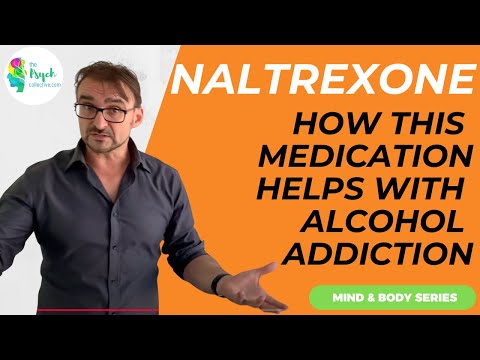
Naltrexone

(Vivitrol®, Revia®)
Blocks opioid effects
Available

Buprenorphine

(Suboxone®, Subutex®, Sublocade®, Zubsolv®)
Eases opioid withdrawal
Available

Note: Treatment centers offer different forms of MAT—such as oral tablets, dissolvable films, or monthly injections—and their policies can vary based on state regulations, provider preferences, and insurance coverage. Because of these differences, it's best to contact the center directly to learn what options are available and what might be right for your situation.

Private Pay Option

Cash Pay Rates

Estimated Cash Pay Rate

Center pricing can vary based on program and length of stay. Contact the center for more information. Recovery.com strives for price transparency so you can make an informed decision.

We don't have pricing information for this center. Please contact the center for more information.
Care Options

Levels of Care

Substance use and mental health issues can occur simultaneously or as primary conditions. Effective treatment explores how mental health conditions contribute to addiction, and vice-versa. Many rehabs treat substance use disorders and mental health conditions with personalized care plans.
Not included
Residential
Not Offered at This Center
Residential programs for substance use and mental health with structured care and 24/7 monitoring. Treatment takes place on-site, with behavioral health professionals often providing care in group, individual, and family settings.
Not included
Sober Living
Not Offered at This Center
Transitional housing designed to support individuals recovering from substance use disorders offering a safe, supportive and structured environment for practicing long-term sobriety, while reintegrating back into daily living.
Included
Day Treatment
In a PHP, patients live at home but follow an intensive schedule of treatment. Most programs require you to be on-site for about 40 hours per week.
Included
Outpatient
Outpatient treatment offers flexible therapeutic and medical care without the need to stay overnight in a hospital or inpatient facility. Outpatient care typically offers a range of therapies and medical interventions individuals can attend alongside daily life.
Not included
Virtual & In-Home Care
Not Offered at This Center
The delivery of therapeutic services utilizing technology such as video conferencing, online messaging or phone calls, allowing for flexibility, comfort and increased access to care.
Included
Licensed Primary Mental Health
Some primary care providers offer mental health diagnosis and treatment. This can prevent patients from developing more serious conditions.
Included
Co-Occurring Disorders
Substance use and mental health can occur simultaneously as co-occurring disorders. Treatment for co-occurring disorders involves therapy and other personalized interventions to address both conditions.
Treatment

Your Care Options

Specializations

Adolescents

Adolescents

Teens receive the treatment they need for mental health disorders and addiction, with the added support of educational and vocational services.

Children

Children

Treatment for children incorporates the psychiatric care they need and education, often led by on-site teachers to keep children on track with school.

Co-Occurring Disorders

Co-Occurring Disorders

A person with multiple mental health diagnoses, such as addiction and depression, has co-occurring disorders also called dual diagnosis.

Depression

Depression

Symptoms of depression may include fatigue, a sense of numbness, and loss of interest in activities. This condition can range from mild to severe.

Drug Addiction

Drug Addiction

Drug addiction is the excessive and repetitive use of substances, despite harmful consequences to a person's life, health, and relationships.

Who We Treat

Men
Women
Adolescents

Adolescents

Teens receive the treatment they need for mental health disorders and addiction, with the added support of educational and vocational services.

Children

Children

Treatment for children incorporates the psychiatric care they need and education, often led by on-site teachers to keep children on track with school.

Men and Women

Men and Women

Men and women attend treatment for addiction in a co-ed setting, going to therapy groups together to share experiences, struggles, and successes.

Girls
Boys

Approaches

Evidence-Based

Evidence-Based

A combination of scientifically rooted therapies and treatments make up evidence-based care, defined by their measured and proven results.

Family Involvement

Family Involvement

Providers involve family in the treatment of their loved one through family therapy, visits, or both–because addiction is a family disease.

Individual Treatment

Individual Treatment

Individual care meets the needs of each patient, using personalized treatment to provide them the most relevant care and greatest chance of success.

Medical

Medical

Medical addiction treatment uses approved medications to manage withdrawals and cravings, and to treat contributing mental health conditions.

Therapies

1-on-1 Counseling

1-on-1 Counseling

Patient and therapist meet 1-on-1 to work through difficult emotions and behavioral challenges in a personal, private setting.

Cognitive Behavioral Therapy

Cognitive Behavioral Therapy

Cognitive Behavioral Therapy helps people identify and change unhelpful thought patterns and behaviors that contribute to emotional distress.

Couples Counseling

Couples Counseling

Partners work to improve their communication patterns, using advice from their therapist to better their relationship and make healthy changes.

Dialectical Behavior Therapy

Dialectical Behavior Therapy

Dialectical Behavior Therapy teaches skills for managing emotions, improving relationships, tolerating distress, and increasing mindfulness.

Eye Movement Therapy (EMDR)

Eye Movement Therapy (EMDR)

Lateral, guided eye movements help reduce the emotional reactions of retelling and reprocessing trauma, allowing intense feelings to dissipate.

Family Therapy

Family Therapy

Family therapy addresses group dynamics within a family system, with a focus on improving communication and interrupting unhealthy relationship patterns.

Group Therapy

Group Therapy

Group therapy brings people together in a supportive setting to share experiences, develop skills, and work toward common goals.

Life Skills

Life Skills

Teaching life skills like cooking, cleaning, clear communication, and even basic math provides a strong foundation for continued recovery.

Medication-Assisted Treatment

Medication-Assisted Treatment

Combined with behavioral therapy, prescribed medications can enhance treatment by relieving withdrawal symptoms and focus patients on their recovery.

Languages

English
Spanish

Conditions We Treat

ADHD, ADD

ADHD, ADD

ADD and ADHD are neurodevelopmental conditions that affect attention, focus, organization, and impulse control, often impacting daily life, school, work, and relationships.

Anxiety

Anxiety

Anxiety is a common mental health condition that can include excessive worry, panic attacks, physical tension, and increased blood pressure.

Depression

Depression

Symptoms of depression may include fatigue, a sense of numbness, and loss of interest in activities. This condition can range from mild to severe.

Grief and Loss

Grief and Loss

Grief is a natural reaction to loss, but severe grief can interfere with your ability to function. You can get treatment for this condition.

Substances We Treat

Chronic Relapse

Chronic Relapse

Consistent relapse occurs repeatedly, after partial recovery from addiction. This condition requires long-term treatment.

Co-Occurring Disorders

Co-Occurring Disorders

A person with multiple mental health diagnoses, such as addiction and depression, has co-occurring disorders also called dual diagnosis.

Drug Addiction

Drug Addiction

Drug addiction is the excessive and repetitive use of substances, despite harmful consequences to a person's life, health, and relationships.

Heroin

Heroin

Heroin is a highly addictive opioid that produces feelings of euphoria and relaxation. Its use carries serious risks, including overdose and dependence.

Opioids

Opioids

Opioids produce pain-relief and euphoria, which can lead to addiction. This class of drugs includes prescribed medication and the illegal drug heroin.

Prescription Drugs

Prescription Drugs

It's possible to develop an addiction to any drug, even prescribed ones. If you crave a medication, or regularly take it more than directed, you may have an addiction.

Smoking Cessation

Smoking Cessation

Smoking cessation is the process of quitting tobacco or nicotine use through behavioral support, medication, lifestyle changes, or a combination of approaches.

Aftercare

Support Meetings
Recovery Coach
Outpatient Treatment
Intensive Outpatient Program

Intensive Outpatient Program

In an IOP, patients live at home or a sober living, but attend treatment typically 9-15 hours a week. Most programs include talk therapy, support groups, and other methods.

Employment Counseling
Experience

Care Designed for Your Needs

Smoking and Vaping Policy

Smoking Allowed in Designated Areas
Vaping Allowed in Designated Areas
Frequently Asked Questions

Further Research

The following therapies are included: group therapy, 1-on-1 counseling and more.
Paramus, New Jersey, United States.
Yes, they offer detox.
Care Plus NJ provides day treatment, detox and more.

Explore More

Easily search by condition, location, and other programs tailored to meet your needs.