Find Treatment By
Rehabs by Location


Learn
About Us
Recovery.com combines independent research with expert guidance on addiction and mental health treatment. Our mission is to help everyone find the best path to recovery through the most comprehensive, helpful network of treatment providers worldwide.
Advisory Council
Our advisory council brings together leaders in behavioral health, technology, and business. Their diverse expertise ensures our resources and product are innovative, evidence-based, and effective. They guide our mission as accomplished individuals dedicated to improving the landscape of addiction recovery and mental wellness.
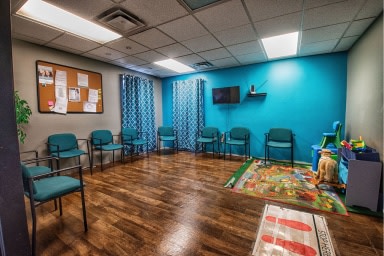
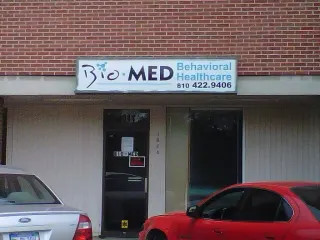
Bio Medical Behavioral Health System
Bio Medical Behavioral Health System
Bio Medical Behavioral Health System
About Bio Medical Behavioral Health System
Bio Medical Behavioral Health System provides medication-assisted treatment (MAT), which combines medicine with professional counseling for opioid dependence. The team creates personalized treatment plans using proven methods like cognitive behavioral therapy (CBT) and motivational interviewing. They focus on a patient's individual strengths and goals, treating the whole person. Staff actively work with patients to help them achieve a healthier life free from substance use.
Emotional Wellness as a Core Part of Treatment
The center offers different therapy formats to support mental and emotional well-being during recovery. Patients receive personalized care in one-on-one individual therapy sessions. They can also join group sessions to connect with others who share similar experiences. Behavioral therapy is provided to help individuals develop positive habits and coping strategies, which are important for long-term success and preventing relapse.
Care Beyond Counseling and Medication
To provide complete care, the facility offers several additional support services. This includes AcuDetox, a five-point ear acupuncture treatment that helps reduce anxiety, cravings, and stress. The staff also assists patients with navigating and accessing necessary social services. Furthermore, the center runs vaccine programs to help protect the health of patients and the community throughout the recovery process.
Center Overview
Supportive Medication for Recovery
Medication-Assisted Treatment (MAT) is an evidence-based approach that pairs FDA-approved medications with counseling to treat addiction. The medications are used to reduce cravings, ease withdrawal symptoms, or block the effects of substances. More about MAT
This center offers MAT, but does not list specific medications for treatment. Contact the center for details for specific MAT medications.
Note: Treatment centers offer different forms of MAT—such as oral tablets, dissolvable films, or monthly injections—and their policies can vary based on state regulations, provider preferences, and insurance coverage. Because of these differences, it's best to contact the center directly to learn what options are available and what might be right for your situation.
Insurance Accepted


Cash Pay Rates
Levels of Care

