Advance TMS - Manhattan
Treatment Focus
At this center, you receive personalized care for mental health conditions. They provide therapy and tailor treatment to your unique needs, diagnoses, and preferences.
Primary Level of Care
Outpatient treatment offers flexible therapeutic and medical care without the need to stay overnight in a hospital or inpatient facility. Some centers offer intensive outpatient program (IOP), which falls between inpatient care and traditional outpatient service.
This provider hasn't verified their profile's information. Are you the owner of this center? Claim your listing to better manage your presence on Recovery.com.
Treatment Focus
At this center, you receive personalized care for mental health conditions. They provide therapy and tailor treatment to your unique needs, diagnoses, and preferences.
Primary Level of Care
Outpatient treatment offers flexible therapeutic and medical care without the need to stay overnight in a hospital or inpatient facility. Some centers offer intensive outpatient program (IOP), which falls between inpatient care and traditional outpatient service.
Provider's Policy
This innovative treatment is covered by most insurances including Medicare for depression and OCD. For treatment of autism, brain injury, and conditions other than depression and OCD will be self pay.
About Advance TMS - Manhattan
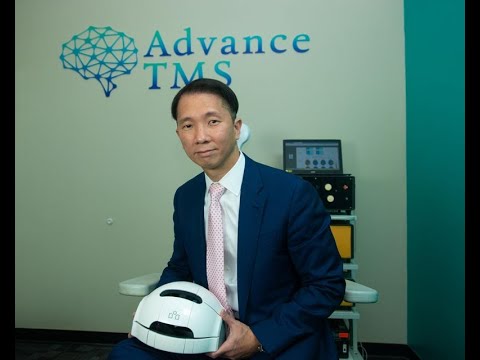
Situated on Madison Avenue in New York City, Advance TMS provides treatment for depression, obsessive compulsive disorder, post traumatic stress disorder, autism, brain injury, and Covid Brain. They use Magnetic eResonance Therapy, which they describe as a customized form of Transcranial Magnetic Stimulation guided by quantitative electroencephalogram diagnostics. Their medical team includes a double board certified child, adolescent, and adult psychiatrist. The practice works with children, adolescents, adults, veterans, and autistic individuals seeking non invasive and drug free treatment approaches.
A Diagnostic Focus Before Treatment Begins
Advance TMS uses quantitative electroencephalogram mapping and electrocardiogram analysis to help develop individualized treatment protocols for patients receiving care. Their services also include accelerated Transcranial Magnetic Stimulation and transcranial photobiomodulation using low level or near infrared light placed on the scalp. Rather than using a single treatment structure for every patient, the practice builds protocols around diagnostic findings and brain mapping results. Most insurance plans, including Medicare, are accepted for depression and obsessive compulsive disorder treatment at the practice.
Care Access in Midtown Manhattan
Located in Midtown Manhattan near Grand Central Terminal, the office provides weekday and Saturday scheduling for people seeking neurological and mental health treatment technologies. Advance TMS describes Magnetic eResonance Therapy as painless and designed around individualized diagnostics before treatment begins. In addition to treatment services, the practice incorporates quantitative electroencephalogram testing and diagnostic evaluation as part of the care process while also offering transcranial photobiomodulation and accelerated Transcranial Magnetic Stimulation at the location.

Center Overview
Treatment Focus
At this center, you receive personalized care for mental health conditions. They provide therapy and tailor treatment to your unique needs, diagnoses, and preferences.

Insurance Accepted
Cash Pay Rates
Estimated Cash Pay Rate
Center pricing can vary based on program and length of stay. Contact the center for more information. Recovery.com strives for price transparency so you can make an informed decision.
Levels of Care
Your Care Options
Specializations
Adolescents
Teens receive the treatment they need for mental health disorders and addiction, with the added support of educational and vocational services.
Depression
Symptoms of depression may include fatigue, a sense of numbness, and loss of interest in activities. This condition can range from mild to severe.
Obsessive Compulsive Disorder (OCD)
OCD is characterized by intrusive and distressing thoughts that drive repetitive behaviors. This pattern disrupts daily life and relationships.
Neurodiversity
Neurodiversity recognizes natural variations in how people think, learn, and process information, including conditions such as autism, ADHD, and dyslexia.
Post Traumatic Stress Disorder
PTSD is a long-term mental health issue caused by a disturbing event or events. Symptoms include anxiety, dissociation, flashbacks, and intrusive thoughts.
Who We Treat
Adolescents
Teens receive the treatment they need for mental health disorders and addiction, with the added support of educational and vocational services.
Children
Treatment for children incorporates the psychiatric care they need and education, often led by on-site teachers to keep children on track with school.
Men and Women
Men and women attend treatment for addiction in a co-ed setting, going to therapy groups together to share experiences, struggles, and successes.
Veterans
Patients who completed active military duty receive specialized treatment focused on trauma, grief, loss, and finding a new work-life balance.
Approaches
Individual Treatment
Individual care meets the needs of each patient, using personalized treatment to provide them the most relevant care and greatest chance of success.
Medical
Medical addiction treatment uses approved medications to manage withdrawals and cravings, and to treat contributing mental health conditions.
Personalized Treatment
The specific needs, histories, and conditions of individual patients receive personalized, highly relevant care throughout their recovery journey.
Therapies
Neurofeedback
Neurofeedback uses real-time brain activity monitoring to help individuals improve self-regulation, focus, and emotional functioning.
Transcranial Magnetic Stimulation
Localized magnetic pulses stimulate areas of the brain to increase brain activity and reduce abnormal functions.
Languages
Conditions We Treat
Depression
Symptoms of depression may include fatigue, a sense of numbness, and loss of interest in activities. This condition can range from mild to severe.
Neurodiversity
Neurodiversity recognizes natural variations in how people think, learn, and process information, including conditions such as autism, ADHD, and dyslexia.
Obsessive Compulsive Disorder (OCD)
OCD is characterized by intrusive and distressing thoughts that drive repetitive behaviors. This pattern disrupts daily life and relationships.
Post Traumatic Stress Disorder
PTSD is a long-term mental health issue caused by a disturbing event or events. Symptoms include anxiety, dissociation, flashbacks, and intrusive thoughts.