Find Treatment By
Rehabs by Location


Learn
About Us
Recovery.com combines independent research with expert guidance on addiction and mental health treatment. Our mission is to help everyone find the best path to recovery through the most comprehensive, helpful network of treatment providers worldwide.
Advisory Council
Our advisory council brings together leaders in behavioral health, technology, and business. Their diverse expertise ensures our resources and product are innovative, evidence-based, and effective. They guide our mission as accomplished individuals dedicated to improving the landscape of addiction recovery and mental wellness.
What Is Neurofeedback Therapy? Practice Guidelines, Benefits, and Considerations


In recent years, neurofeedback has gained traction as a powerful intervention tool for enhancing cognitive function, managing mental health conditions, and improving overall self-regulation.1 As the field continues to evolve, so do the ethical guidelines and professional standards that surround it.
This article serves as a comprehensive guide for clinicians, educators, and those exploring neurofeedback therapy.
What Is Neurofeedback?
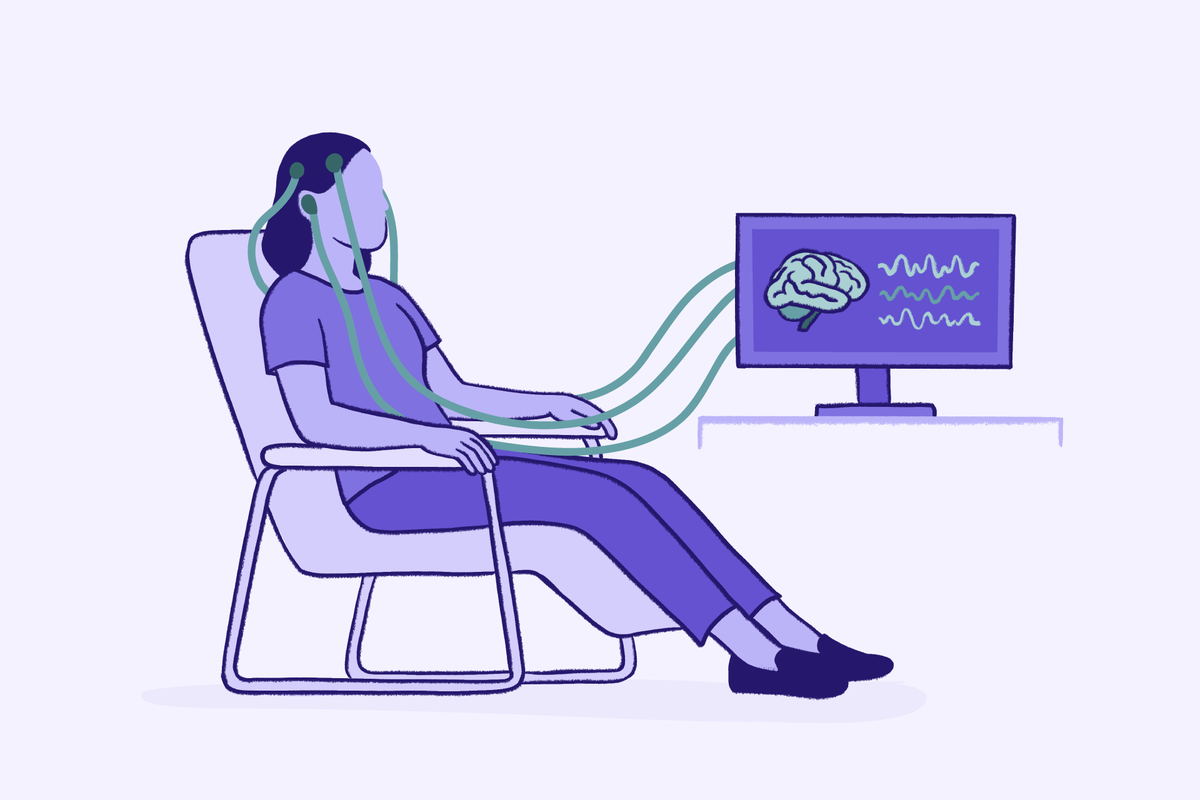
Neurofeedback (NFB), also known as EEG biofeedback, is a therapeutic technique that uses a brain-computer interface (BCI) to help individuals regulate their brain activity.
During a session, sensors placed on the scalp monitor real-time brainwave activity and send the data to specialized software, which provides feedback—usually in the form of visual or auditory cues.2
More relaxed or focused brain states are typically the goal in neurofeedback. As such, as a person becomes more relaxed or focused, they may see a new image or hear a pleasant sound. This immediate feedback reinforces positive brainwave patterns, encouraging the brain to repeat them over time.3
With continued neurofeedback training, the brain learns to maintain these optimal patterns without external feedback. As a result, neurofeedback can lead to significant and lasting improvements in emotional regulation, cognitive function, attention, and overall well-being.4
Research has shown that neurofeedback can help individuals manage symptoms related to conditions like anxiety, ADHD, depression, and more.5,6,7
Find The Perfect Treatment For You
Answer a few questions and we'll match you with the best options.
What Are You Struggling With?
What Kind of Care Do You Need?
What Insurance Do You Have?
Types of Neurofeedback
There are several distinct approaches in neurofeedback, each targeting different aspects of brain function.8 The International Society for Neurofeedback and Research (ISNR) recommends beginning with simpler techniques like 1-4 channel power training before progressing to more complex methods.
The types of neurofeedback include:
- Traditional 1, 2, or 4+ channel power training: This approach involves monitoring brainwave activity at one or more locations on the scalp. By targeting and training specific brainwave frequencies (including alpha waves, beta waves, and theta waves), it’s possible to enhance or suppress certain patterns, optimizing mental functioning.
- Z-score neurofeedback: This technique compares an individual’s brainwave activity to a normative database to identify and correct deviations from optimal brain patterns.
- Connectivity and coherence training: This method focuses on improving communication between different brain regions by enhancing the synchronization of neural activity across the brain.
- Infra-low and infra-slow neurofeedback: These methods target deeper, more fundamental neural processes and are often used to treat conditions like chronic pain or trauma.
- fMRI-based feedback: This advanced form of neurofeedback uses functional magnetic resonance imaging (fMRI) to provide real-time feedback on brain activity, allowing individuals to regulate brain function with a higher level of detail.
- Hemoencephalography (HEG): HEG monitors cerebral blood flow and provides feedback that can help enhance cognitive performance, particularly in areas related to mental clarity and focus.
Explore Neurofeedback Treatment Centers
Who Provides Neurofeedback?
Neurofeedback is practiced worldwide across a wide range of professional disciplines. Providers can be classified into three categories:
- Licensed Healthcare Providers: These include medical doctors, psychologists, counselors, occupational therapists, nurses, chiropractors, and other licensed healthcare professionals who are qualified to provide neurofeedback within the scope of their practice.
- Certified Healthcare Professionals (Under Supervision): This group includes EEG technicians, coaches, teachers, and researchers who may work under supervision or in non-clinical settings. While they may be skilled in administering neurofeedback, their work is typically performed in non-medical environments.
- Independent Certified Healthcare Professionals: Wellness coaches, behavioral health technicians, and individuals working in educational settings may also offer neurofeedback. These professionals may assist in areas like stress management or performance enhancement, but they are not licensed healthcare providers.
Ethical use of neurofeedback equipment is essential. Proper training and mentorship—ideally with BCIA-certified clinicians—are essential for safe and effective implementation.
The International Society for Neuroregulation & Research (ISNR) maintains that only licensed or properly trained professionals should purchase and operate professional-grade neurofeedback devices. This helps ensure the safety and effectiveness of neurofeedback therapy for individuals.














Who Receives Neurofeedback?
Neurofeedback can benefit a wide range of individuals. It’s frequently used to address:
- Neurodevelopmental disorders (ADHD, autism spectrum):Many individuals with attention-deficit/hyperactivity disorder (ADHD) or autism experience improved focus, emotional regulation, and behavioral flexibility through consistent training. Neurofeedback helps regulate brain patterns often associated with inattention, impulsivity, and sensory processing challenges.
- Mood and thought disorders (depression, anxiety disorders, bipolar disorder):By promoting more balanced brainwave activity, neurofeedback complements traditional therapies effectively. It supports emotional stability and resilience, helping individuals gain greater control over mood swings and intrusive thoughts.9
- Neurological conditions (epilepsy, traumatic brain injury, migraines):Neurofeedback can assist in stabilizing disrupted neural patterns that contribute to seizures, post-injury symptoms, and chronic migraines. It offers a non-invasive way to retrain the brain toward healthier functioning and reduce symptom severity.
- Performance enhancement (athletes, executives, academic optimization):High performers use neurofeedback to sharpen focus, enhance mental clarity, and consistently access peak states. It supports stress regulation, cognitive efficiency, and sustained performance under pressure.
- Chronic pain and fatigue conditions (fibromyalgia, post-chemo symptoms):By targeting brain dysregulation linked to pain perception and fatigue, neurofeedback may help alleviate discomfort and improve quality of life. It’s especially valuable for individuals seeking non-pharmaceutical ways to manage persistent symptoms.
- Addiction: Neurofeedback can help people in struggling with addiction retrain their brains for better focus, mood balance, and self-control, which may reduce cravings and stress to support recovery.
- Healthy aging (attention, memory, and executive function):As part of cognitive wellness strategies, neurofeedback is being explored for its potential to support brain health in older adults. Early findings suggest benefits in preserving memory, attention, and mental agility with age.
Long-term neurofeedback training creates new patterns of brain activity that support better focus, emotional regulation, and other cognitive functions.
Duration
While some people notice improvements after just a few sessions, lasting and significant results typically emerge after 20 to 40 sessions. Each session usually lasts between 30 to 45 minutes. The exact session length and overall program duration varies depending on several factors, including:
- Age: Younger individuals may experience quicker adjustments, while older individuals may require more sessions to notice significant changes.
- Condition severity: In order to achieve noticeable improvements, people with more severe conditions, like chronic anxiety, may require a longer treatment period compared to someone with mild attention issues, for example.
- Comorbid health factors: The presence of other medical conditions like neurological disorders and chronic pain can impact how long neurofeedback training takes to show results.
- Lifestyle variables: Factors like nutrition, hydration, and sleep play a significant role in how effectively the brain responds to neurofeedback. For example, if a person is chronically sleep-deprived or dehydrated, it may take longer to see improvements.
As the brain becomes more stable in its new, optimized state, the frequency and length of sessions may decrease. Maintenance sessions may occasionally be recommended to reinforce progress or address any setbacks.
The long-term benefits of neurofeedback come from the brain gradually internalizing more efficient neural patterns through consistent and repeated reinforcement.
Equipment
Effective neurofeedback requires specialized hardware and software:
- Sensors/electrodes: These small, non-invasive sensors are placed on the scalp with conductive paste. They passively collect data on brain activity; nothing is sent into the brain.
- Amplifiers: These sleek, square-shaped devices boost the brain’s electrical signals for accurate processing. Because brainwaves are incredibly subtle, amplifiers are essential for making the signals strong and clear enough for analysis.
- Software: Computer software is used both to train the client and provide feedback for the clinician. Training programs often include video games, animations, or videos that respond to brain activity in real time. Clinician software includes graphs, metrics, and tracking tools for monitoring progress.
- QEEG analysis: Quantitative EEG neurofeedback data—or “brain maps”—help clinicians identify which areas of the brain are over- or under-active. This information guides personalized and targeted neurofeedback protocols for each client.
Together, these tools work seamlessly to monitor brain activity, guide training, and support meaningful change over time.
Risks and Side Effects
Neurofeedback is a generally safe and non-invasive therapy, but some individuals may experience temporary side effects as their central nervous system adjusts to the training.10
These mild reactions typically resolve within 24 to 48 hours. Common side effects include fatigue, mild headaches, irritability, sleep disturbances, and temporary difficulty concentrating. For some, especially those taking psychotropic medications, side effects may be more noticeable and should be discussed with a prescribing provider.
Most of these issues can be managed by modifying the neurofeedback protocol, so it is important to report any concerns to your clinician for proper adjustment.
Neurofeedback is emerging as a powerful, evidence-backed intervention with the potential to significantly enhance quality of life for people with a wide range of conditions. From managing ADHD and anxiety disorders to optimizing performance and supporting healthy aging, its applications continue to expand as research and clinical experience grow.6
As technology, standards, and ethical practice continue developing, staying informed, well-trained, and client-centered is essential for practitioners. Whether used as a standalone approach or as part of a broader therapeutic plan, neurofeedback offers a promising path toward greater self-regulation, resilience, and brain-based well-being.
Discover a Path to Healing
From intensive individual therapy programs to 24/7 structured support, the right solution is out there. Explore options for wellness-focused mental health treatment, trauma treatment centers, and more to find a safe space to heal. Find a mental health facility today and begin your journey toward stability and peace.
FAQs
A: Neurofeedback is a non-invasive brain-training therapy that measures your brainwave activity and gives you real-time feedback so your brain can learn to regulate itself more effectively. In addiction recovery, it strengthens areas like impulse control, stress resilience, and emotional balance—factors often disrupted by substance use—helping you reduce cravings and build healthier coping skills.
A: Neurofeedback isn't a standalone cure for addiction, but it works best when you combine it with other evidence-based treatments like therapy and support groups. Because addiction is complex and affects your behavior, mood, and brain function, integrating neurofeedback with other approaches can strengthen your long-term recovery outcomes.
A: During a typical session, electrodes placed on your scalp monitor brainwave patterns while you engage in simple activities like watching a movie or playing a game; the feedback you see or hear helps your brain naturally shift toward healthier patterns. Sessions are usually painless and last about 30–60 minutes, and you may begin noticing improvements after several sessions.
A: Neurofeedback is drug-free and is generally considered safe, with few reported side effects, but you may experience temporary symptoms like fatigue, mild anxiety, or headaches during or after sessions. Because it involves a significant time commitment and isn't always covered by insurance, cost and accessibility are practical considerations to discuss with your provider.
A: The effects of neurofeedback can be long-lasting as your brain learns healthier patterns, but consistency matters; many programs recommend multiple sessions over several weeks or months to achieve meaningful change. You may return for occasional "booster" sessions or combine neurofeedback with ongoing recovery practices to maintain balance and prevent relapse.

Our Promise
How Is Recovery.com Different?
We believe everyone deserves access to accurate, unbiased information about mental health and recovery. That's why we have a comprehensive set of treatment providers and don't charge for inclusion. Any center that meets our criteria can list for free. We do not and have never accepted fees for referring someone to a particular center. Providers who advertise with us must be verified by our Research Team and we clearly mark their status as advertisers.
Our goal is to help you choose the best path for your recovery. That begins with information you can trust.