Monima Wellness Center
Verified Center
This provider's information has been quality-checked by Recovery.com's Research Team for accuracy and completeness, including center verification through appropriate third-party organizations.
Treatment Focus
This center treats substance use disorders and mental health conditions. You'll receive individualized care catered to your unique situation and diagnosis, learn practical skills for recovery, and make new connections in a restorative environment.
Primary Level of Care
Outpatient treatment offers flexible therapeutic and medical care without the need to stay overnight in a hospital or inpatient facility. Some centers offer intensive outpatient program (IOP), which falls between inpatient care and traditional outpatient service.
Treatment Focus
This center treats substance use disorders and mental health conditions. You'll receive individualized care catered to your unique situation and diagnosis, learn practical skills for recovery, and make new connections in a restorative environment.
Primary Level of Care
Outpatient treatment offers flexible therapeutic and medical care without the need to stay overnight in a hospital or inpatient facility. Some centers offer intensive outpatient program (IOP), which falls between inpatient care and traditional outpatient service.
Provider's Policy
Monima proudly offers affordable treatment options that are covered by most insurance companies.
Monima Wellness Center
About Monima Wellness Center
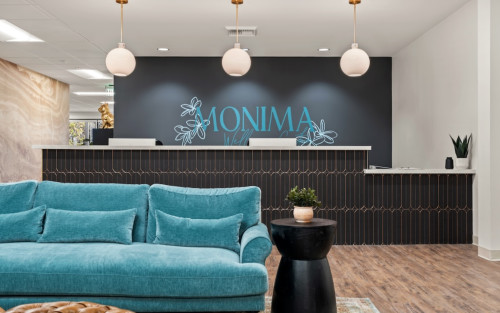
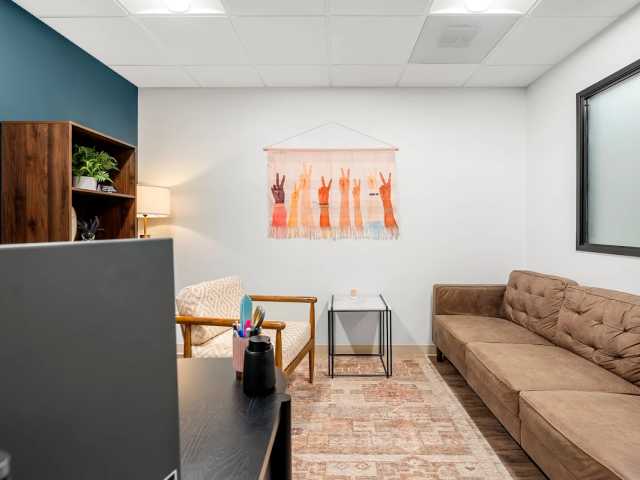
Care that truly addresses and honors the gender-specific needs of women can be difficult to find. Monima Wellness Center recognizes the distinct challenges women face in mental health and substance use recovery, providing individualized care that integrates both traditional and alternative therapies to create a more balanced and supportive healing experience.
Reconnect with a More Complete Sense of Well-Being
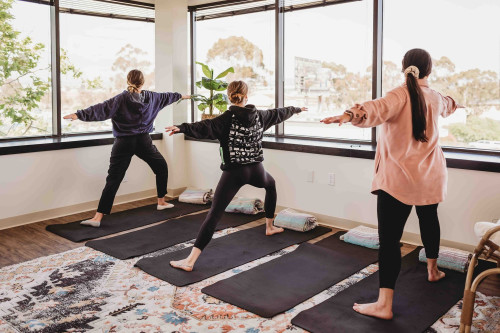
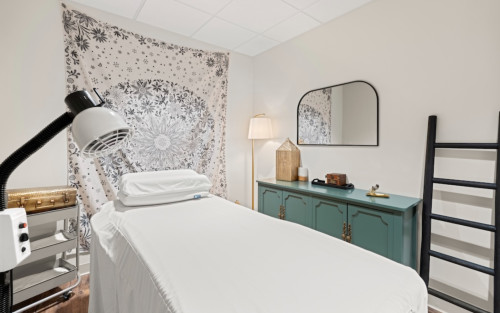
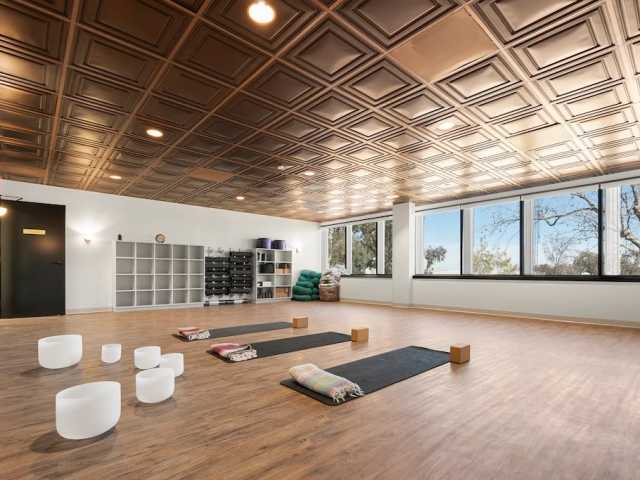
Monima views mental health as multifaceted, with mind, body, and spirit all interconnecting. They blend evidence-based therapies, like cognitive behavioral therapy (CBT) and eye movement desensitization reprocessing (EMDR), with holistic modalities, such as reiki and sound healing. Their team is dedicated to helping each client reach meaningful breakthroughs in their wellness journey, while building a strong foundation for lasting recovery.
Continue Healing with Stability and Connection
Situated in a vibrant, central area of scenic San Diego, the center offers a thoughtfully designed healing environment for women and female-identifying individuals seeking progressive mental health care within a supportive community. Monima also partners with Ohana Recovery Residences to provide seamless access to transitional living, helping clients maintain stability and connection as they continue their recovery in outpatient programs.
Feel Empowered by a Network That Understands
A connected community rooted in shared recovery goals helps clients build the skills and confidence needed to navigate life beyond treatment. Through monthly wellness gatherings, weekly virtual groups, and an exclusive Monima recovery app, alumni remain supported by an ongoing network that fosters connection, empowerment, and accountability.
Center Overview
Treatment Focus
This center treats substance use disorders and mental health conditions. You'll receive individualized care catered to your unique situation and diagnosis, learn practical skills for recovery, and make new connections in a restorative environment.
Joint Commission Accredited
The Joint Commission accreditation is a voluntary, objective process that evaluates and accredits healthcare organizations (like treatment centers) based on performance standards designed to improve quality and safety for patients. To be accredited means the treatment center has been found to meet the Commission's standards for quality and safety in patient care.
Insurance Accepted


Recovery.com Verified Listing
Recovery.com verified that the name, location, contact information and license to operate for this treatment provider are valid and up-to-date.
Joint Commission Accredited

Licensed by California DHCS

NAATP Member
Recovery.com is an independent, third-party mental health resource. Verification does not imply endorsement and does not guarantee the quality of treatment services.
Meet Your Care Team

Dr. Max Doshay
CEO, Co-Founder
MA, PsyD

Nicole Simpson
Chief Development Officer, Co-Founder

Molly Maddocks
Chief Operations Officer, Co-Founder
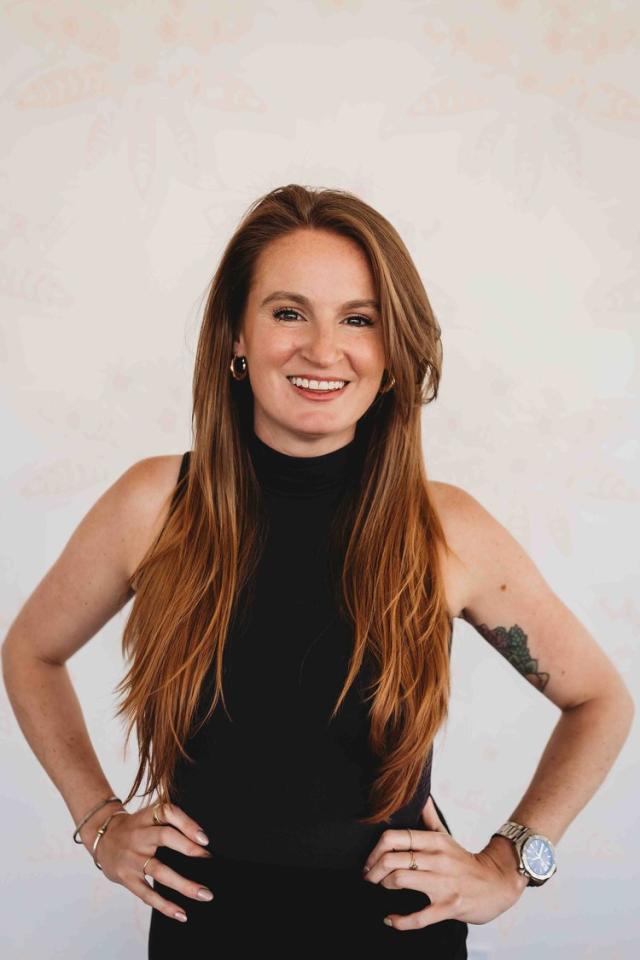
Kat Grassetti
Clinical Director, EMDR Practitioner
LCSW
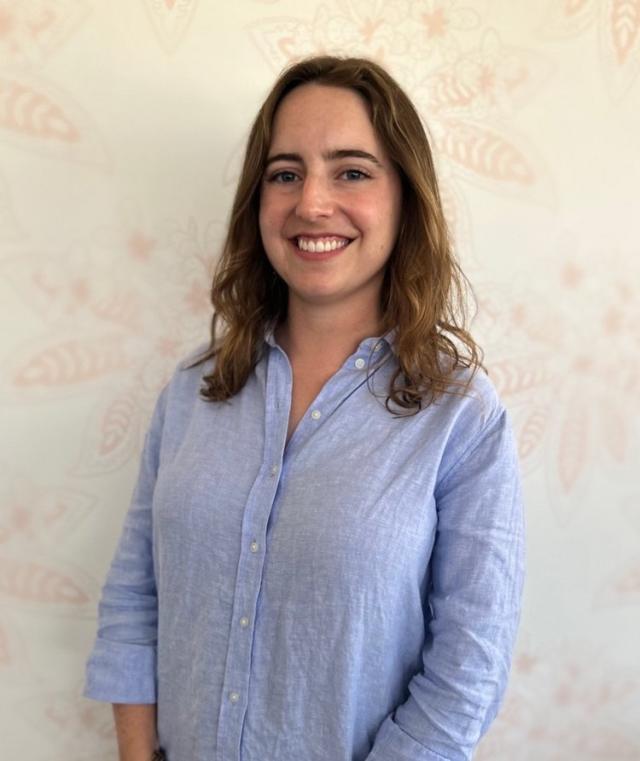
Grace West
Assistant Clinical Director, EMDR Practitioner
LCSW

Dr. Sarita Shah
Psychiatrist
MD, PhD

Jill Sexton
Psychiatric Nurse Practitioner
NP
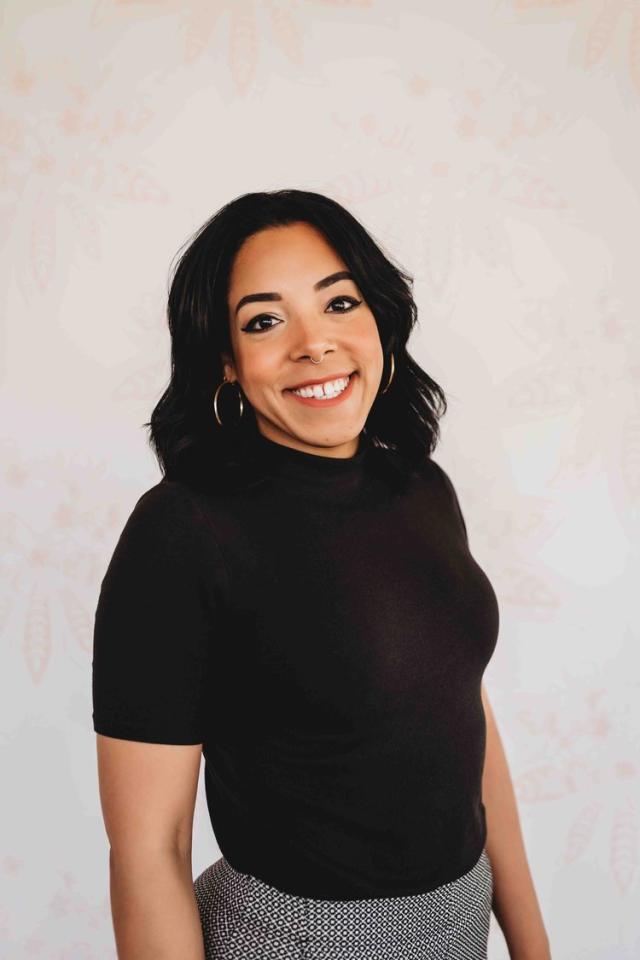
Dr. Shannon Franklin
Director of Clinical Training
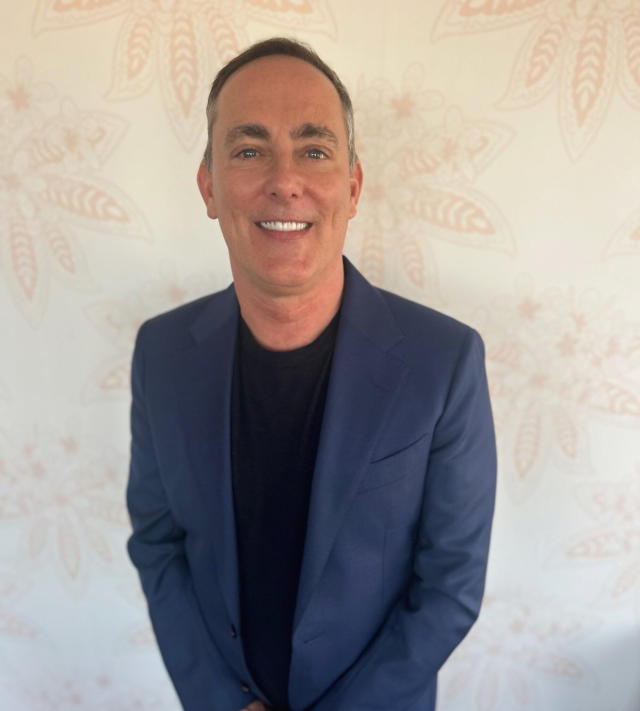
TJ Woodward
Chief Wellness Officer
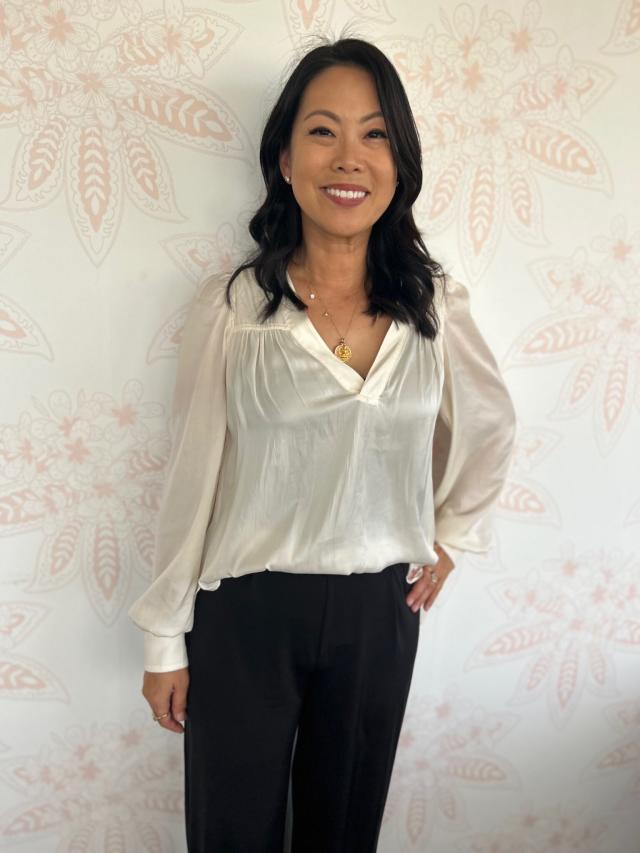
Dr. Anita Lee Davis
Doctor of Acupuncture & Chinese Medicine
DC, LAC
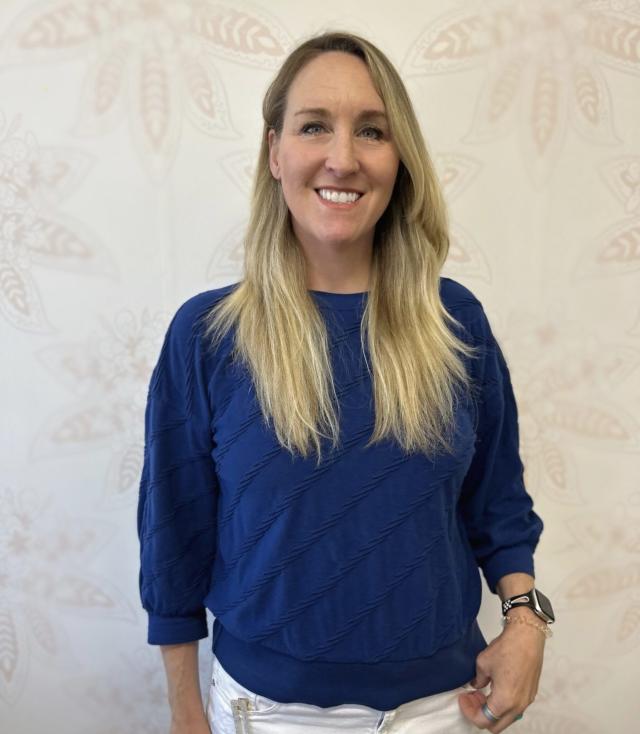
Dr. Lucy Love
Doctor of Acupuncture & Chinese Medicine
DC
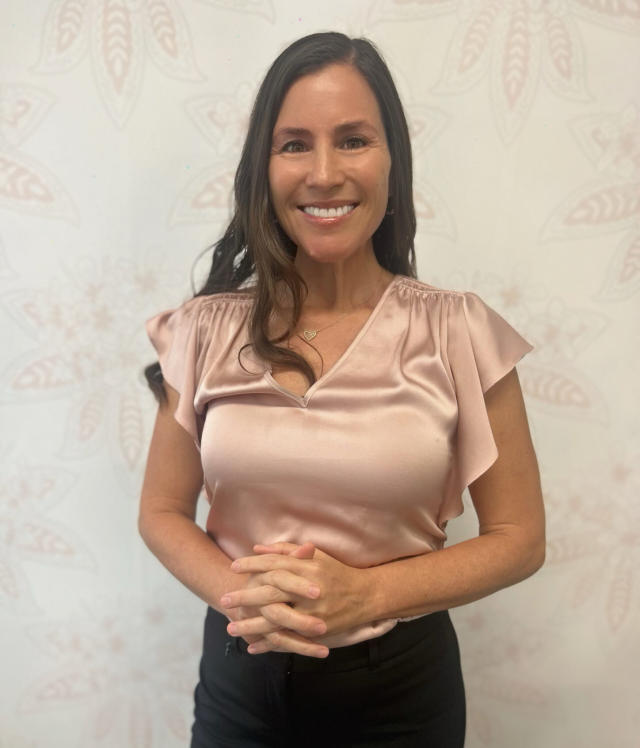
Dr. Judy Lelie Ferguson
Doctor of Acupuncture & Chinese Medicine
DC, LAC

Stephanie Wurster
Clinician, Group Experience and Dynamics Specialist
LMFT
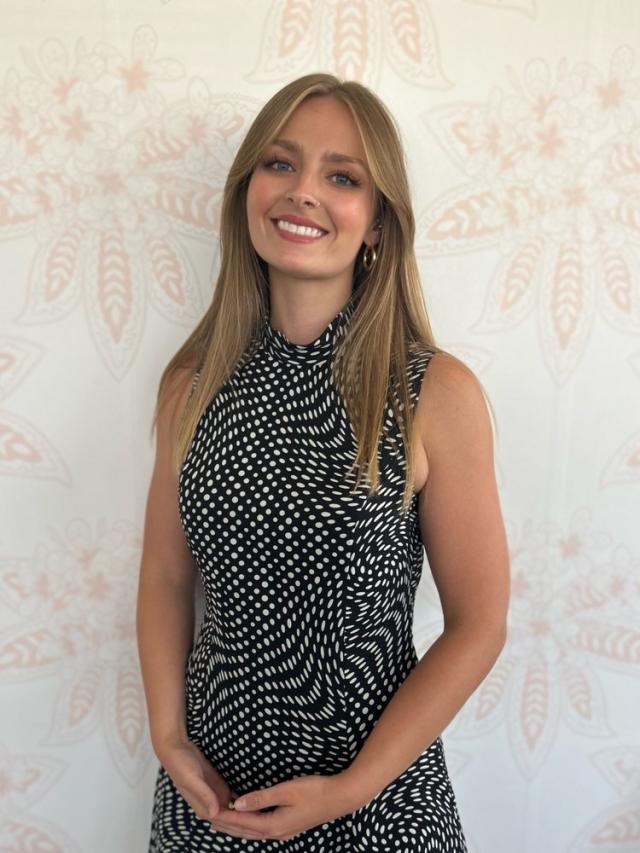
Dr. Katarina Thatcher
Addiction and Thought Disorder Specialist, EMDR Practitioner
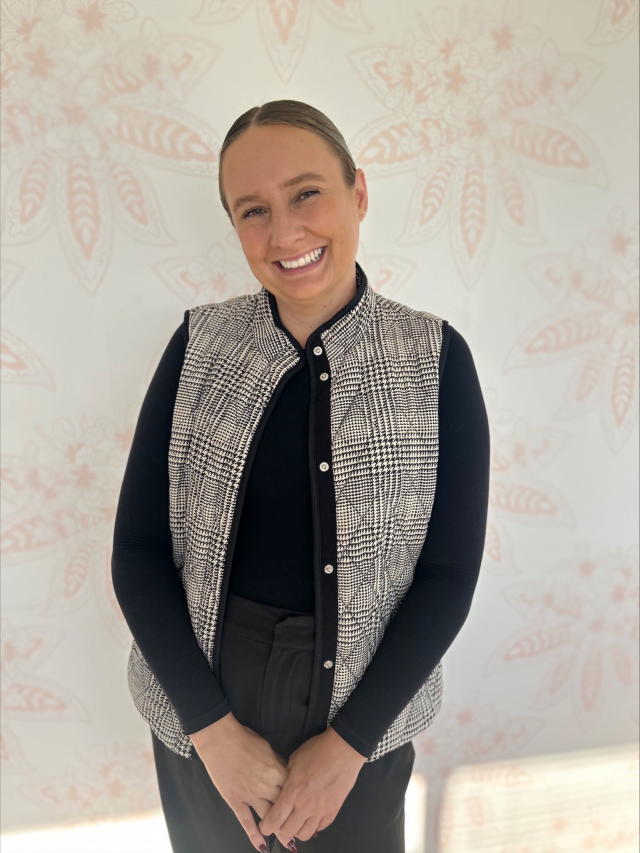
Dr. Corrine Hufford
Clinician
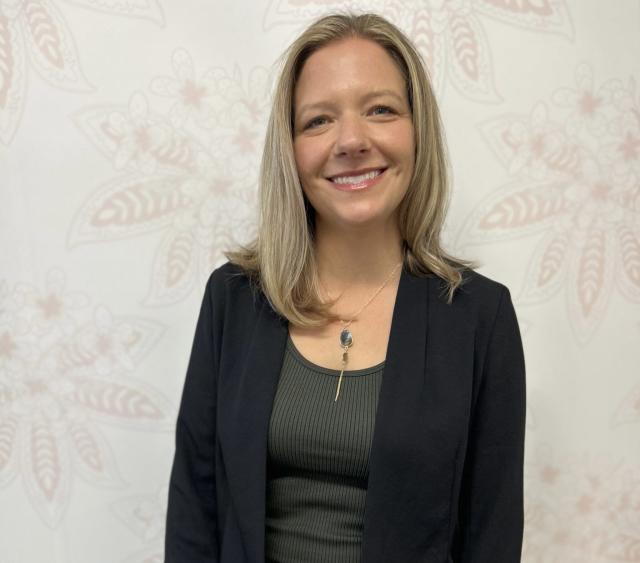
Emily Jarrell
Clinician, EMDR Practitioner
LMFT
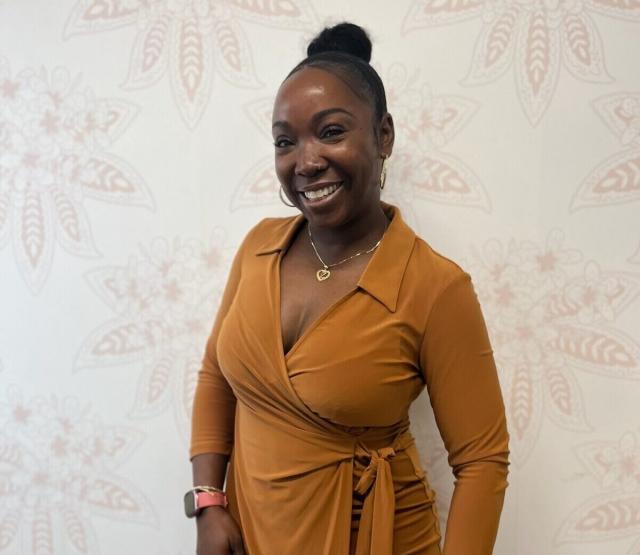
Renika Battles
Clinician, EMDR Practitioner
LCSW
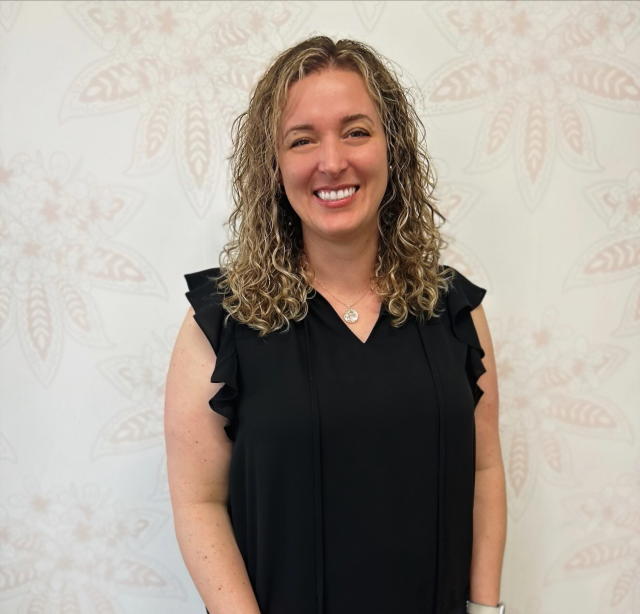
Heather Pederson
Clinician
LMFT
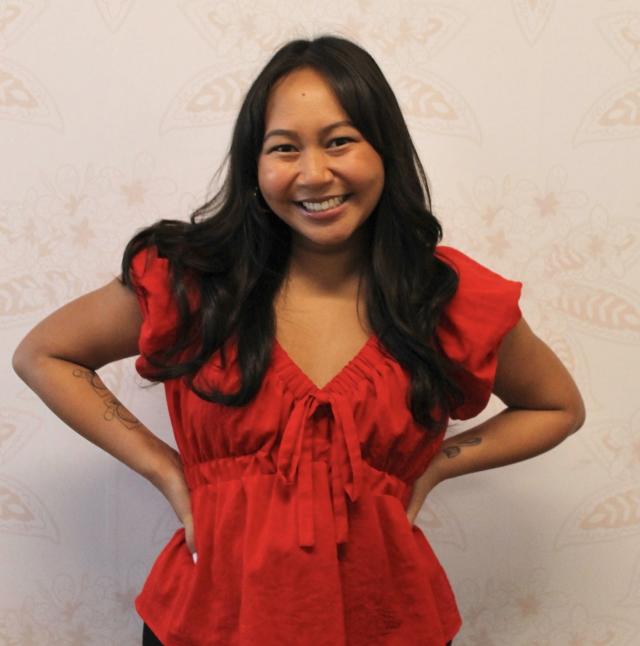
Julia Paraiso
Clinician, Staff Development and Training Coordinator
ASW
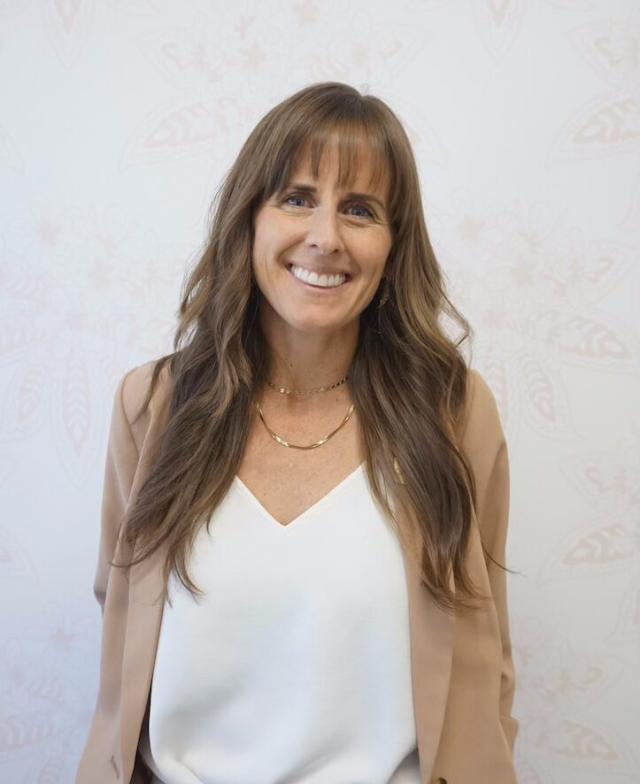
Jessica Mack
Clinician, EMDR Practitioner
LCSW

Dr. Mae Casanova
Clinician, EMDR Practitioner
MS, PsyD
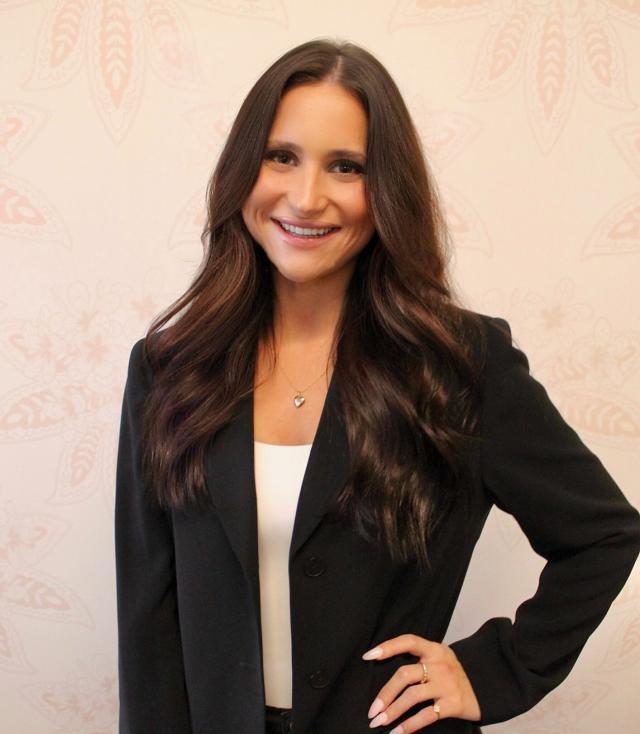
Dr. Kirstyn Perry
Director of Neuropsychological Assessment, EMDR Practitioner
MA, PsyD
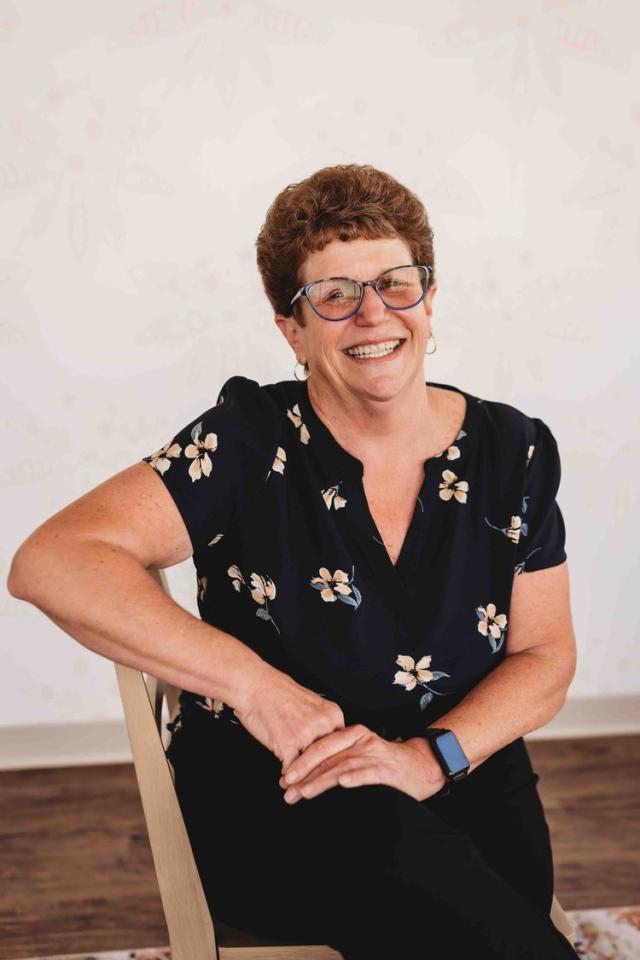
Stacy Whitney
Case Manager
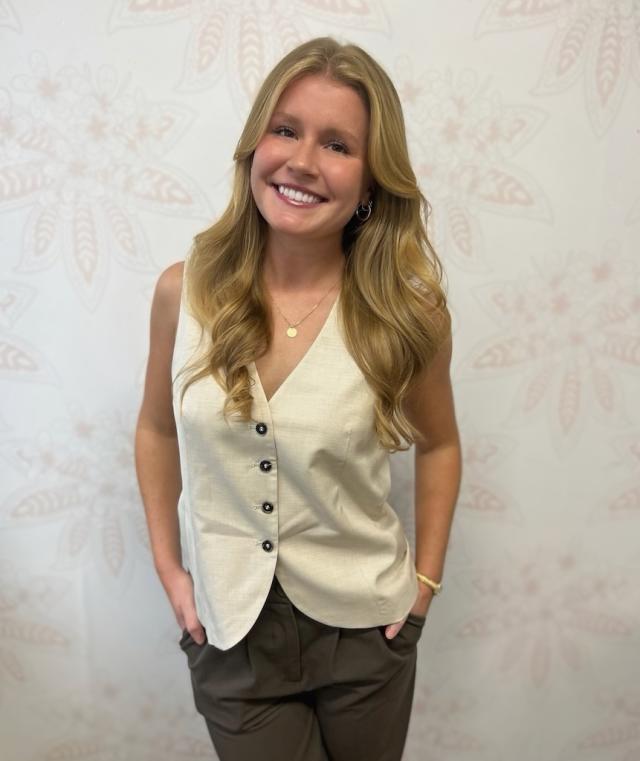
Madison Jahnke
Case Manager
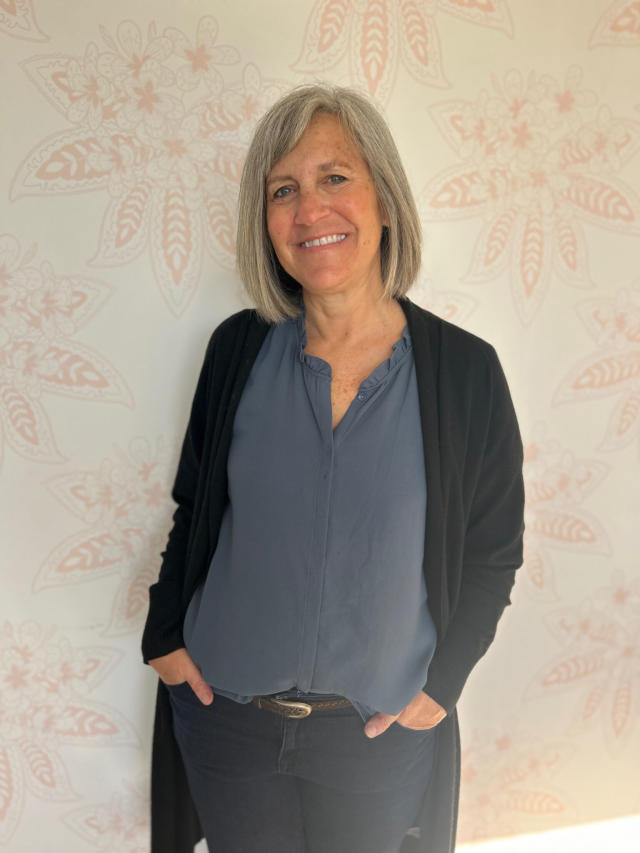
Susan Van Note
Somatic Experiencing® Practitioner & Craniosacral Therapist
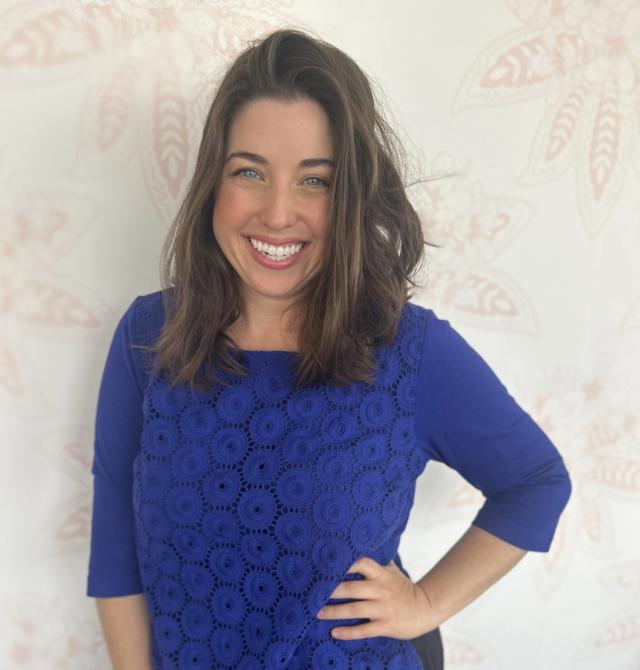
Dr. Rose Schlaff
Doctor of Physical Therapy
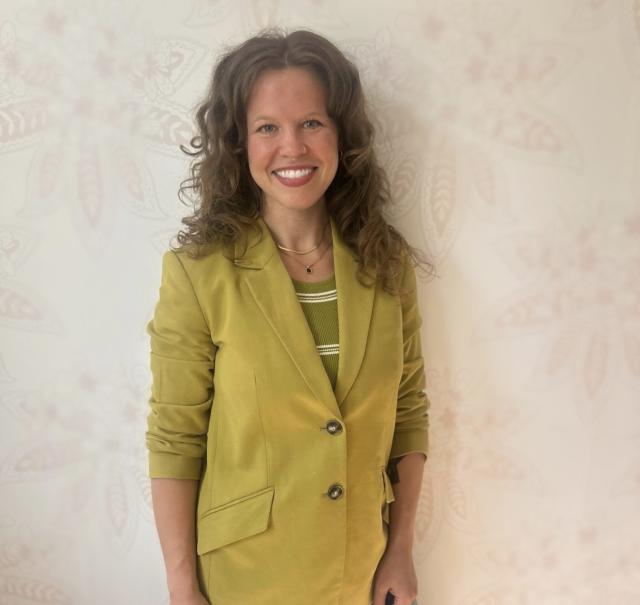
Julia Blato
Clinical Hypnotist
MSc, NBC-HWC
Catherine Bajo
Mental Health Technician

Amanda Muñoz
Mental Health Technician

Elizabeth Alvillar
Trauma-Informed Yoga Instructor
Your Care Options
Specializations
Co-Occurring Disorders
A person with multiple mental health diagnoses, such as addiction and depression, has co-occurring disorders also called dual diagnosis.
Depression
Symptoms of depression may include fatigue, a sense of numbness, and loss of interest in activities. This condition can range from mild to severe.
Holistic
A non-medicinal, wellness-focused approach that aims to align the mind, body, and spirit for deep and lasting healing.
Outpatient
During outpatient rehab, patients attend a structured treatment program while continuing to live at home.
Trauma
Some traumatic events are so disturbing that they cause long-term mental health problems. Those ongoing issues can also be referred to as "trauma."
Gender-Specific
Separate treatment for men or women can create strong peer connections and remove barriers related to trauma, shame, and gender-specific nuances.
Who We Treat
LGBTQ+
Addiction and mental illnesses in the LGBTQ+ community must be treated with an affirming, safe, and relevant approach, which many centers provide.
Women only
Women attend treatment in a gender-specific facility, with treatment delivered in a safe, nourishing, and supportive environment for greater comfort.
Treatment Services
Day Treatment
Also commonly called PHP, patients may live at home or in a recovery residence while following an intensive treatment program. Most have a weekly schedule of M–F and 4 to 6 hours per day.
Intensive Outpatient Program
In an IOP, patients live at home or a sober living, but attend treatment typically 9-15 hours a week. Most programs include talk therapy, support groups, and other methods.
Licensed Primary Mental Health
Some primary care providers offer mental health diagnosis and treatment. This can prevent patients from developing more serious conditions.
Outpatient
During outpatient rehab, patients attend a structured treatment program while continuing to live at home.
Sober Living
These structured living environments help people transition out of rehab. Residents have more freedom than they do during rehab, but still follow certain rules.
Approaches
Evidence-Based
A combination of scientifically rooted therapies and treatments make up evidence-based care, defined by their measured and proven results.
Holistic
A non-medicinal, wellness-focused approach that aims to align the mind, body, and spirit for deep and lasting healing.
Individual Treatment
Individual care meets the needs of each patient, using personalized treatment to provide them the most relevant care and greatest chance of success.
Non 12 Step
Non-12-Step philosophies veer from the spiritual focus of the 12-Steps and instead treat the disease of addiction with holistic or secular modalities.
Therapies
1-on-1 Counseling
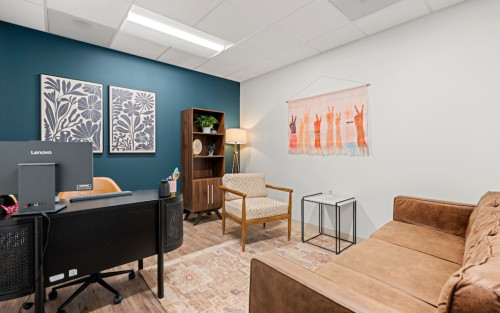
Patient and therapist meet 1-on-1 to work through difficult emotions and behavioral challenges in a personal, private setting.
Acceptance and Commitment Therapy (ACT)
This cognitive behavioral therapy teaches patients to accept challenging feelings and make the appropriate changes to reach personal goals.
Art Therapy
Visual art invites patients to examine the emotions within their work, focusing on the process of creativity and its gentle therapeutic power.
Dance Therapy
This experiential therapy uses dance to improve body awareness, physical health, and social skills.
Eye Movement Therapy (EMDR)
Lateral, guided eye movements help reduce the emotional reactions of retelling and reprocessing trauma, allowing intense feelings to dissipate.
Family Therapy
Family therapy addresses group dynamics within a family system, with a focus on improving communication and interrupting unhealthy relationship patterns.
Languages
Conditions We Treat
ADHD, ADD
ADHD is a common mental health condition caused by dopamine imbalance. Common symptoms include inattention, hyperactivitiy, and impulsivity.
Alcohol
Using alcohol as a coping mechanism, or drinking excessively throughout the week, signals an alcohol use disorder.
Anxiety
Anxiety is a common mental health condition that can include excessive worry, panic attacks, physical tension, and increased blood pressure.
Benzodiazepines
Benzodiazepines are prescribed to treat anxiety and sleep issues. They are highly habit forming, and their abuse can cause mood changes and poor judgement.
Bipolar
This mental health condition is characterized by extreme mood swings between depression, mania, and remission.
Co-Occurring Disorders
A person with multiple mental health diagnoses, such as addiction and depression, has co-occurring disorders also called dual diagnosis.
Cocaine
Cocaine is a stimulant with euphoric effects. Agitation, muscle ticks, psychosis, and heart issues are common symptoms of cocaine abuse.
Depression
Symptoms of depression may include fatigue, a sense of numbness, and loss of interest in activities. This condition can range from mild to severe.
Drug Addiction
Drug addiction is the excessive and repetitive use of substances, despite harmful consequences to a person's life, health, and relationships.
Care Designed for Your Needs
Special Considerations
LGBTQ group
Group therapy unites LGBTQ+ patients in a safe and culturally competent setting, encouraging peer support under the expert leadership of a therapist.
Learn More About the Center
Recognizing When Rehab Might Help
Acknowledge patterns in daily life that may signal the need for professional help.
Why Somatic Therapy Goes Beyond Talk Therapy
Discover how working with the body can deepen healing beyond verbal processing alone.
When Mood Swings Feel Beyond Your Control
Identify what separates common emotional fluctuations from more serious mood-related conditions.
Understanding Long-Term Trauma and Its Effects
Explore how repeated trauma can impact mental health, identity, and emotional regulation.