Lifetime Recovery

Substance Use

Treatment Focus

This center treats substance use disorders and co-occurring mental health conditions. Your treatment plan addresses each condition at once with personalized, compassionate care for comprehensive healing.

Outpatient

Primary Level of Care

Outpatient treatment offers flexible therapeutic and medical care without the need to stay overnight in a hospital or inpatient facility. Some centers offer intensive outpatient program (IOP), which falls between inpatient care and traditional outpatient service.

4.6
(70)
Unclaimed

This provider hasn't verified their profile's information. Are you the owner of this center? Claim your listing to better manage your presence on Recovery.com.

Insurance

Provider's Policy

Lifetime Recovery simplifies insurance verification during the drug and alcohol rehab admission process. In this way, we eliminate confusion and ensure treatment can begin as soon as possible.

This outpatient addiction treatment center is committed to celebrating their clients’ choice to seek out treatment. The team at Lifetime Recovery offers a welcoming, respectful and comfortable environment for clients beginning their healing journey. When a client comes in, they create an individualized plan of treatment for each person. Their approach to treating addiction is to get to the root cause of addiction and mental health issues, while also addressing risk factors that put the client in a vulnerable state to relapse. Not only does the team work with clients who are addicted to substances, but they also work with people who have process addictions like gambling. The team offers partial hospitalization programs (PHP), intensive outpatient programs (IOP) and outpatient programs.

Components of Programs at Lifetime

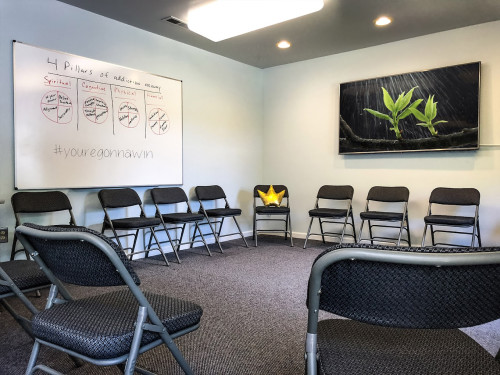
All clients participate in individual, group and family therapy while attending an outpatient program at Lifetime. The counselors use a mix of evidence-based and holistic therapies like cognitive behavioral therapy (CBT), dialectical behavioral therapy (DBT), rational emotive behavioral therapy (REBT), meditation, art therapy, exercise therapy, massage therapy, yoga and more. Because their treatment plans are individualized, the clinicians will work in conjunction with the clients to determine which therapies will be most effective for their recovery. The treatment team will treat both the mental health condition and the addiction at the same time, as that parallel process can help create successful recovery.

AT A GLANCE

Center Overview

Location
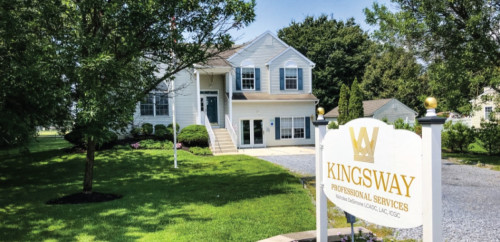
124 Bridgeton Pike, Mullica Hill, NJ 08062 View Map
Primary Focus
This center treats substance use disorders and co-occurring mental healt...

Treatment Focus

This center treats substance use disorders and co-occurring mental health conditions. Your treatment plan addresses each condition at once with personalized, compassionate care for comprehensive healing.

Accreditation
Joint Commission

Joint Commission Accredited

The Joint Commission accreditation is a voluntary, objective process that evaluates and accredits healthcare organizations (like treatment centers) based on performance standards designed to improve quality and safety for patients. To be accredited means the treatment center has been found to meet the Commission's standards for quality and safety in patient care.

Typical Program Length
30+ days
Founded in 2017
9 years in business
Conditions We Treat
Anger, Anxiety, Bipolar, Depression +5 More
Substance Use We Treat
Alcohol, Benzodiazepines, Co-Occurring Disorders, Cocaine +8 More
lifetimerecoverycenter.com
Are you the owner of this center? Claim it
MEDICATION ASSISTED TREATMENT

Supportive Medication for Recovery

Medication-Assisted Treatment (MAT) is an evidence-based approach that pairs FDA-approved medications with counseling to treat addiction. The medications are used to reduce cravings, ease withdrawal symptoms, or block the effects of substances. More about MAT

Opioids Medications

Methadone

(Dolophine®, Methadose®)
Reduces opioid cravings
Not Available

Naltrexone

(Vivitrol®, Revia®)
Blocks opioid effects
Not Available

Buprenorphine

(Suboxone®, Subutex®, Sublocade®, Zubsolv®)
Eases opioid withdrawal
Not Available

This center accepts patients receiving MAT prescribed elsewhere for opioid use disorder, but does not provide MAT.

Note: Treatment centers offer different forms of MAT—such as oral tablets, dissolvable films, or monthly injections—and their policies can vary based on state regulations, provider preferences, and insurance coverage. Because of these differences, it's best to contact the center directly to learn what options are available and what might be right for your situation.

How to pay

Insurance Accepted

Provider's Policy: Lifetime Recovery simplifies insurance verification during the drug and alcohol rehab admission process. In this way, we eliminate confusion and ensure treatment can begin as soon as possible.
Verify Insurance
Private Pay Option

Cash Pay Rates

Estimated Cash Pay Rate

Center pricing can vary based on program and length of stay. Contact the center for more information. Recovery.com strives for price transparency so you can make an informed decision.

If you are not using insurance, the pricing listed below is an estimate of the cash pay rate.
30+ days
Call for Rates
(844) 896-8156
Care Options

Levels of Care

Everyone's recovery journey is unique. Whether it looks like residential rehab for 30 days, an outpatient program, or virtual therapy, you can find a level of care that fits your needs.
Detox
Not Offered at This Center
Typically the initial stage of treatment for substance use, focusing on medically supervised management of withdrawal symptoms.
Residential Rehab
Not Offered at This Center
Offering intensive care with 24/7 monitoring, residential substance use treatment is typically 30 days. Length can range from 14 to 90 days.
Sober Living
Not Offered at This Center
Transitional housing designed to support individuals recovering from substance use disorders offering a safe, supportive and structured environment for practicing long-term sobriety, while reintegrating back into daily living.
Day Treatment
In a PHP, patients live at home but follow an intensive schedule of treatment. Most programs require you to be on-site for about 40 hours per week.
Intensive Outpatient Program
An intensive outpatient program (IOP) falls between inpatient care and traditional outpatient services, with therapy and skills-building activities designed to support recovery and provide flexibility. IOP is ideal for those needing support but not the 24/7 care of a residential facility.
Outpatient
Outpatient treatment offers flexible therapeutic and medical care without the need to stay overnight in a hospital or inpatient facility. Outpatient care typically offers a range of therapies and medical interventions individuals can attend alongside daily life.
Virtual & In-Home Care
Not Offered at This Center
The delivery of therapeutic services utilizing technology such as video conferencing, online messaging or phone calls, allowing for flexibility, comfort and increased access to care.
Co-Occurring Mental Health
Treatment for co-occurring mental health disorders, which affect the majority of individuals diagnosed, integrates care for mental health conditions with primary substance use. Personalized care plans are crafted to effectively address each condition simultaneously, optimizing the healing process.
Treatment

Your Care Options

Specializations

Day Treatment

Day Treatment

In a PHP, patients live at home but follow an intensive schedule of treatment. Most programs require you to be on-site for about 40 hours per week.

Intensive Outpatient Program

Intensive Outpatient Program

In an IOP, patients live at home or a sober living, but attend treatment typically 9-15 hours a week. Most programs include talk therapy, support groups, and other methods.

Outpatient

Outpatient

During outpatient rehab, patients attend a structured treatment program while continuing to live at home.

Who We Treat

Men
Women
Men and Women

Men and Women

Men and women attend treatment for addiction in a co-ed setting, going to therapy groups together to share experiences, struggles, and successes.

Approaches

Evidence-Based

Evidence-Based

A combination of scientifically rooted therapies and treatments make up evidence-based care, defined by their measured and proven results.

Personalized Treatment

Personalized Treatment

The specific needs, histories, and conditions of individual patients receive personalized, highly relevant care throughout their recovery journey.

Therapies

1-on-1 Counseling

1-on-1 Counseling

Patient and therapist meet 1-on-1 to work through difficult emotions and behavioral challenges in a personal, private setting.

Cognitive Behavioral Therapy
Dialectical Behavior Therapy
Family Therapy

Family Therapy

Family therapy addresses group dynamics within a family system, with a focus on improving communication and interrupting unhealthy relationship patterns.

Group Therapy
Medication-Assisted Treatment

Medication-Assisted Treatment

Combined with behavioral therapy, prescribed medications can enhance treatment by relieving withdrawal symptoms and focus patients on their recovery.

Rational Emotive Behavior Therapy

Rational Emotive Behavior Therapy

A type of cognitive therapy that identifies negative self-defeating thoughts and behaviors, rewriting beliefs to be positive, empowering, and present.

Trauma-Specific Therapy

Trauma-Specific Therapy

This form of talk therapy addresses any childhood trauma at the root of a patient's current diagnosis.

Languages

English

Conditions We Treat

Anger

Anger

Although anger itself isn't a disorder, it can get out of hand. If this feeling interferes with your relationships and daily functioning, treatment can help.

Anxiety

Anxiety

Anxiety is a common mental health condition that can include excessive worry, panic attacks, physical tension, and increased blood pressure.

Bipolar

Bipolar

This mental health condition is characterized by extreme mood swings between depression, mania, and remission.

Depression

Depression

Symptoms of depression may include fatigue, a sense of numbness, and loss of interest in activities. This condition can range from mild to severe.

Grief and Loss

Grief and Loss

Grief is a natural reaction to loss, but severe grief can interfere with your ability to function. You can get treatment for this condition.

Obsessive Compulsive Disorder (OCD)

Obsessive Compulsive Disorder (OCD)

OCD is characterized by intrusive and distressing thoughts that drive repetitive behaviors. This pattern disrupts daily life and relationships.

Post Traumatic Stress Disorder

Post Traumatic Stress Disorder

PTSD is a long-term mental health issue caused by a disturbing event or events. Symptoms include anxiety, dissociation, flashbacks, and intrusive thoughts.

Schizophrenia

Schizophrenia

Schizophrenia is a serious mental health condition that causes hallucinations, delusions, and disordered thinking.

Trauma

Trauma

Some traumatic events are so disturbing that they cause long-term mental health problems. Those ongoing issues can also be referred to as "trauma."

Substances We Treat

Alcohol

Alcohol

Using alcohol as a coping mechanism, or drinking excessively throughout the week, signals an alcohol use disorder.

Benzodiazepines

Benzodiazepines

Benzodiazepines are prescribed to treat anxiety and sleep issues. They are highly habit forming, and their abuse can cause mood changes and poor judgement.

Co-Occurring Disorders

Co-Occurring Disorders

A person with multiple mental health diagnoses, such as addiction and depression, has co-occurring disorders also called dual diagnosis.

Cocaine

Cocaine

Cocaine is a stimulant with euphoric effects. Agitation, muscle ticks, psychosis, and heart issues are common symptoms of cocaine abuse.

Drug Addiction

Drug Addiction

Drug addiction is the excessive and repetitive use of substances, despite harmful consequences to a person's life, health, and relationships.

Heroin

Heroin

Heroin is a highly addictive and illegal opioid. It can cause insomnia, collapsed veins, heart issues, and additional mental health issues.

Marijuana
Methamphetamine

Methamphetamine

Methamphetamine, or meth, increases energy, agitation, and paranoia. Long-term use can result in severe physical and mental health issues.

Opioids

Opioids

Opioids produce pain-relief and euphoria, which can lead to addiction. This class of drugs includes prescribed medication and the illegal drug heroin.

Experience

Care Designed for Your Needs

Smoking and Vaping Policy

Smoking Allowed in Designated Areas
Vaping Allowed in Designated Areas
Frequently Asked Questions

Further Research

While costs may vary due to program length and insurance benefits, it typically costs Call for Rates.
The following therapies are included: group therapy, 1-on-1 counseling and more.
Mullica Hill, New Jersey, United States.
Lifetime Recovery simplifies insurance verification during the drug and alcohol rehab admission process. In this way, we eliminate confusion and ensure treatment can begin as soon as possible.
The typical length is 30+ days.
Lifetime Recovery provides day treatment, intensive outpatient program and more.

Explore More

Easily search by condition, location, and other programs tailored to meet your needs.